How to Sell Estate Jewelry Without Getting Lowballed
Selling estate jewelry can feel like a strange task at first. You may be sorting through pieces from your own collection, helping a parent downsize, or dealing with inherited jewelry after a loss. In any of those situations, the same question shows up fast: what is this worth, and how do I sell it without getting taken advantage of?
Need a simple cash offer for something else of value?
Cha-Ching Co helps people turn unwanted assets into cash with a straightforward offer process.
The truth is that estate jewelry rarely sells for the number printed on an old appraisal. Insurance appraisals are usually based on replacement cost, not what a buyer will pay you today. The real market value depends on the metal, the stones, the brand, the condition, and where you choose to sell. If you walk into the wrong shop or accept the first offer, you can leave a lot of money on the table.
This guide breaks the process into plain English. You will learn what estate jewelry includes, what drives value, where to sell estate jewelry safely, and how to compare offers before you commit.
What counts as estate jewelry
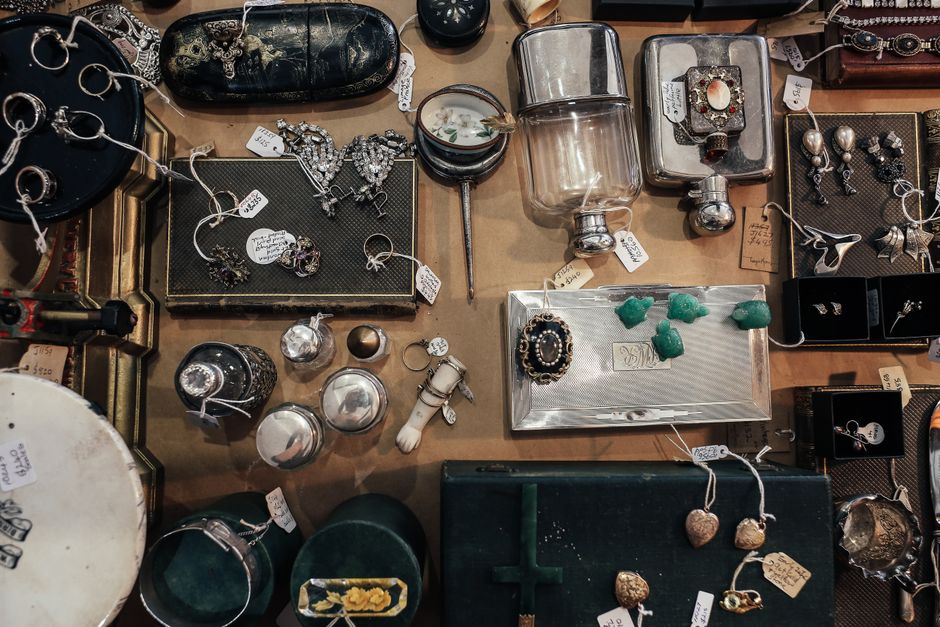
When people search for estate jewelry to sell, they are usually talking about pre-owned fine jewelry. That can include gold rings, diamond earrings, antique brooches, signed designer pieces, watches, platinum bracelets, gemstone necklaces, and inherited family items. "Estate" does not always mean the owner has passed away. In the jewelry trade, it often just means the piece had a previous owner.
That matters because resale value is based on the current secondary market, not the sentimental story behind the piece. A buyer will usually separate the item into one or more value buckets:
- Scrap value - what the precious metal is worth based on weight and purity
- Stone value - what any diamonds or gemstones are worth if they have resale demand
- Brand or design value - extra value for names like Tiffany, Cartier, David Yurman, Rolex, or notable vintage makers
- Antique or estate premium - extra value when the whole piece is desirable as-is
If a piece has no strong design or brand demand, many buyers will price it mostly for metal. That surprises people all the time, especially when a ring looks expensive but has small stones or dated styling.
What affects value when you sell estate jewelry
Before you try to sell estate jewelry, it helps to know what buyers are actually evaluating. A serious buyer is not just glancing at shine. They are looking at specifics.
1. Precious metal content
Gold, platinum, and silver values start with purity and weight. A 14k piece has less pure gold than an 18k piece. A platinum item may carry more resale interest because of metal value alone. Hallmarks matter, but reputable buyers also test the metal.
2. Diamonds and gemstones
Not every stone adds much resale value. Natural diamonds with good size, color, clarity, and cut can matter a lot. Small accent diamonds often add less than owners expect. Colored stones vary even more. Some sapphires, rubies, and emeralds are valuable. Others are commercial-grade and contribute modestly.
3. Condition
Broken clasps, missing stones, chipped gems, deep scratches, and heavy wear can reduce what buyers offer. Still, damaged jewelry is not worthless. Gold and platinum pieces may still have strong scrap value, which is one reason our guide on how to sell gold jewelry is useful for setting realistic expectations.
4. Brand and provenance
Signed jewelry from recognized brands can bring more than melt value. Original boxes, receipts, certificates, and grading reports help. A GIA report on a diamond, for example, can make pricing easier and reduce arguments over quality.
5. Style and demand
Some older pieces sell well because they fit current vintage trends. Others are so specific to a past era that buyers only want the metal or stones. This is where estate jewelry becomes less predictable than bullion or basic gold chains.
Want a fast, low-hassle selling path?
Cha-Ching Co is built for people who want a clear offer and fewer headaches when turning assets into cash.
Where to sell estate jewelry safely
There is no single best place for every item. The right choice depends on whether your piece has collector value, brand value, or mostly metal value.
Local jewelry buyers
A reputable local buyer can be a good option if you want speed and face-to-face evaluation. The upside is convenience. The downside is that some stores only buy based on scrap. Ask how they evaluate designer, antique, and gemstone pieces before you hand anything over.
Pawn shops
Pawn shops are fast, but offers can vary widely. Some are fair, some are not, and many focus on fast resale margin rather than maximum seller payout. For a detailed comparison of why two places can quote very different numbers for similar items, see our guide on pawn shop vs. gold buyer.
Estate jewelry specialists
If the piece is antique, signed, or unusual, a specialist may do better than a general gold buyer. These buyers understand period jewelry, collector demand, and brand premiums. For strong pieces, that expertise can make a real difference.
Auction or consignment
Auction houses and online consignment platforms may bring higher prices for the right piece, especially if it is branded or highly desirable. The tradeoff is time, fees, and less certainty. You may wait weeks or months to get paid.
Private sale
Private sale can sometimes produce the highest number, but it also brings the most risk. Meeting strangers, proving authenticity, handling payment, and shipping valuables all create problems. For average sellers, it is usually not the simplest or safest route.
How to sell estate jewelry without getting lowballed
If you want a better outcome, do not walk in blind. Use a short process.
- Sort the pieces first. Separate costume jewelry from fine jewelry. Group items by gold, platinum, silver, diamond, watches, and signed designer names.
- Gather paperwork. Old appraisals, receipts, boxes, certificates, and GIA reports help, even if the appraisal number itself is not the real resale value.
- Clean lightly, do not overdo it. A soft cloth is fine. Do not use aggressive cleaners on antique or fragile pieces.
- Get more than one offer. Three quotes is a good baseline. One offer tells you very little. Multiple offers show the spread.
- Ask how the offer was calculated. Was it priced for scrap, resale, brand value, or stone value? A serious buyer should be able to explain.
- Know the payout gap. A buyer needs room for risk, overhead, and resale profit. You are not likely to get retail.
That last point matters. Many sellers feel insulted because they are comparing a resale offer to an insurance appraisal. Those are not the same number and never were. A fair offer is usually based on current market demand, not replacement cost.
Selling estate jewelry after a loss or inheritance
Estate jewelry gets more emotionally loaded when the pieces came from a parent, grandparent, or spouse. In that case, slow down a little. Do not let a buyer pressure you into making a same-day decision if you are not ready.
A few practical steps help:
- Ask family members if any pieces have sentimental value before selling
- Photograph each item so you have a record
- Start with one or two pieces instead of the whole box
- Consider separating heirloom items from purely financial assets
This is also where expectations can drift. A ring that meant a lot to your family may still be priced mainly for gold and diamond resale. That can be disappointing, but it is better to hear it from several buyers than from one person who may be anchoring you low.
Ready for a straightforward offer?
If speed, clarity, and simplicity matter most, Cha-Ching Co can help you explore a cash offer without the usual friction.
Red flags and scams to avoid
Most buyers are not scammers, but enough bad actors exist that it pays to stay alert.
- Pressure to sell right now - A buyer who says the offer disappears in minutes is usually trying to rush you.
- Vague pricing - If they cannot explain weight, purity, stones, or resale logic, walk away.
- No testing in front of you - You should understand how they arrived at the offer.
- Switching terms after inspection - Some buyers anchor high, then cut the number sharply once your item is in their hands.
- Mail-in risk without clear insurance - If you ship valuable jewelry, make sure the process is insured and documented.
It is also smart to check reviews, confirm how long the buyer has been in business, and read the actual payout terms before signing anything.
Final thoughts on selling estate jewelry
Selling estate jewelry is easier when you stop chasing a perfect number and start comparing real options. Learn what the item is made of, understand whether it has collector or brand value, and get multiple offers from buyers who can explain their math. That approach will protect you from the worst deals and help you decide whether speed or maximum price matters more.
If the pieces are inherited, give yourself room to separate emotion from value. You do not need to rush. You just need enough clarity to make a decision you can live with.
Disclaimer: Cha-Ching Co is not a licensed jewelry appraiser, financial advisor, or legal advisor. This article is for general informational purposes only and should not be treated as an appraisal, tax opinion, or legal advice. For high-value or estate-related decisions, consult a qualified appraiser, attorney, or tax professional.