Where to Sell Broken Jewelry for Cash
If you're wondering where to sell broken jewelry, the short answer is this: the best place depends on what your piece is actually worth. Some broken jewelry is only worth its metal content. Some has diamonds, designer value, or antique appeal that can make it worth more than scrap. The key is knowing which kind of buyer fits your item before you accept the first offer.
Need cash without the usual hassle?
Cha-Ching Co offers a simple way to explore a fast cash option if that fits your situation.
A broken chain, single earring, bent ring, or damaged bracelet can still have value. Buyers usually look at a few things first: metal type, purity, weight, brand, stone quality, and whether the piece can be repaired. If you skip that basic homework, it's easy to get paid like your item is worthless when it isn't.
Where to sell broken jewelry if it is mostly scrap metal
If the piece is damaged beyond repair and has no strong brand or collectible appeal, your most likely buyers are scrap gold buyers, coin and bullion dealers, some jewelers, and certain mail-in gold services. These buyers usually pay based on weight and purity, not beauty. A snapped 14k chain can still bring money because the gold itself has market value.
Before you sell, look for stamps such as 10k, 14k, 18k, 24k, 925, or Plat. Those marks give you a starting point, though a buyer may still test the item. A fair buyer should explain how they verify purity and how they calculate the offer. If they refuse to break that down, walk away.
Pawn shops are fast, but they are often not the top-paying option for scrap jewelry. They need room for margin and may price aggressively. If speed matters most, that tradeoff may be acceptable. If payout matters more, get at least two or three quotes first.
Where to sell broken jewelry when stones or brand matter
This is where a lot of sellers lose money. Many scrap buyers care only about metal and may assign little or no value to smaller stones. If your broken jewelry has a larger diamond, a natural sapphire, an emerald, a luxury brand mark, or estate value, selling it as scrap can leave real money on the table.
In those cases, try a jeweler who buys estate pieces, a specialized jewelry buyer, or a consignment route if time is not urgent. Designer names like Tiffany, Cartier, and David Yurman can change the math. The same goes for antique or vintage pieces with craftsmanship that collectors care about. A broken clasp does not automatically mean scrap pricing.
If your main item is gold jewelry, it also helps to review how to sell gold jewelry before you commit to a buyer. The same core rule applies here: know whether you are selling for melt value or resale value.
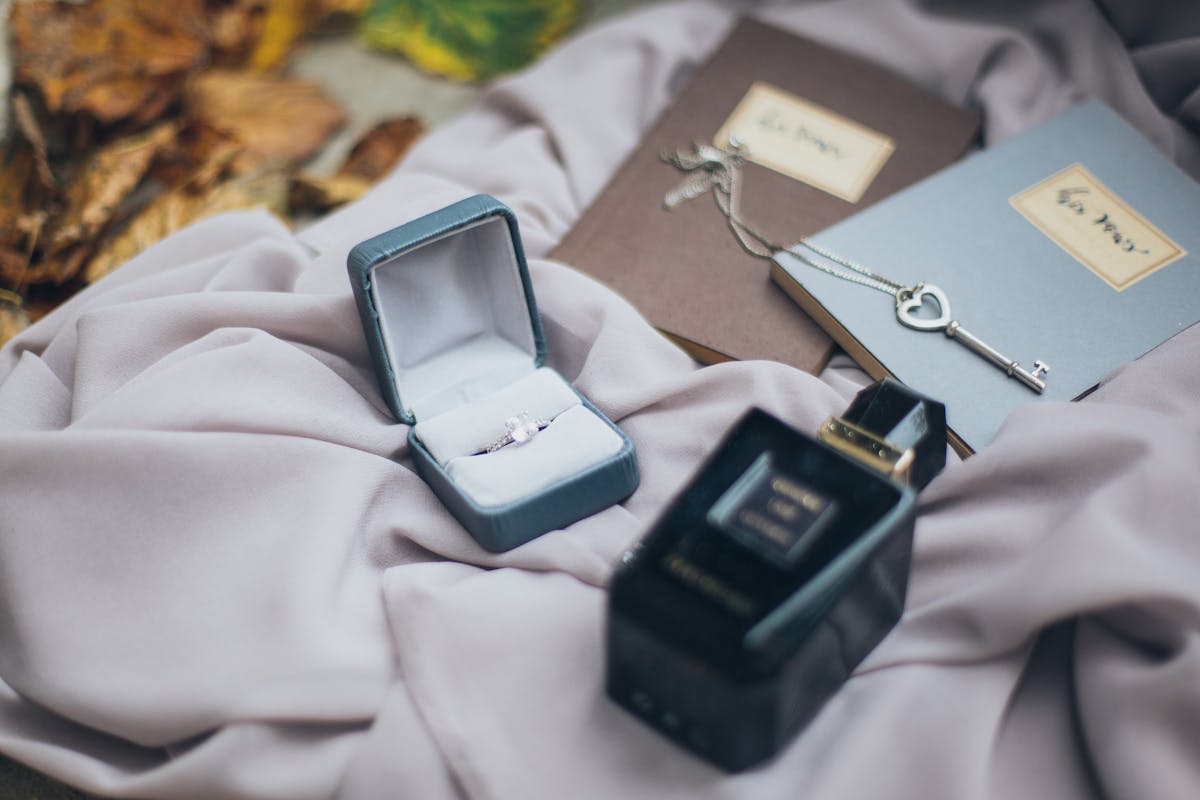
How buyers decide what your broken jewelry is worth
Most buyers price broken jewelry using a simple framework. First they identify the metal. Then they weigh it. Then they apply purity and a buy rate below the spot price. That final number can vary a lot from one buyer to another.
Here are the biggest factors that affect your offer:
- Metal type and purity: 18k gold is worth more per gram than 10k gold. Platinum and sterling silver follow their own pricing.
- Total weight: More weight usually means more value, especially for scrap-only pieces.
- Gemstones: Larger or higher-quality stones may need separate evaluation.
- Brand and design: Signed designer pieces can beat scrap pricing by a wide margin.
- Condition: For scrap value, condition matters less than people think. For resale value, it can matter a lot.
If you want a grounding point before you start comparing offers, read the best place to sell gold. It helps you understand why one buyer may pay much better than another for what looks like the same item.
Want to compare your cash options first?
If you want a fast option on the table, you can compare a cash offer alongside jewelry buyers and local shops.
Should you repair broken jewelry before selling it?
Sometimes yes, but not always. If the repair is inexpensive and the finished piece would be easy to resell, fixing it first may improve your outcome. That is more common with designer jewelry, engagement rings, or pieces with strong sentimental or retail appeal. For ordinary scrap pieces, repair costs usually do not make financial sense because scrap buyers will still pay for metal content, not the finished look.
A simple rule helps here: if the piece would attract a normal retail buyer once repaired, get a repair estimate before you sell. If it would still be just another gold item with no special demand, compare scrap offers instead of spending more money upfront.
Best places to get quotes before you sell
If your goal is to sell quickly without getting lowballed, the smartest move is to compare buyer types instead of relying on one store. Start with these:
- Local precious metal buyer: Often strong for plain gold, silver, or platinum scrap.
- Jewelry store that buys estate pieces: Better when stones, branding, or resale appeal matter.
- Online gold buyer: Convenient, but review insurance, turnaround time, and final offer terms.
- Pawn shop: Fast and easy, but frequently lower on payout.
- Auction or marketplace: Higher upside for special pieces, but more effort and more waiting.
Ask each buyer the same questions. How are you testing purity? Are you paying for stones? What percentage of spot are you offering? Are there any fees? Getting direct answers makes it much easier to compare real offers instead of vague promises.
What payout should you realistically expect?
Most sellers do not receive full retail value for broken jewelry. Scrap buyers usually pay a percentage of melt value, not the price you originally paid in a store. That difference surprises a lot of people, especially if the piece was expensive when new. Retail price includes design, labor, brand markup, packaging, and overhead. Scrap pricing does not.
That does not mean every offer is unfair. It just means you should compare the offer against the right benchmark. If the item is truly scrap, ask what percentage of spot the buyer is paying after purity adjustments. If the piece may have resale appeal, compare that route too before you settle for melt value alone.
Common mistakes people make when deciding where to sell broken jewelry
The first mistake is assuming broken means worthless. That is often false. The second mistake is assuming every gold buyer pays roughly the same. Also false. Even a small difference in buy rate can change your payout more than you expect.
Another common mistake is leaving stones in place without asking whether they are included in the quote. Some buyers remove no value for them. Others will pay something only above a certain size or quality threshold. If your item has potentially valuable stones, ask whether separate evaluation makes sense.
One more mistake is skipping documentation. If you still have a receipt, appraisal, certificate, or original box, bring it. That paperwork will not always raise the price, but it can help if the piece is branded or has notable stones.
Safe selling tips before you accept an offer
Bring a small scale and know your metal marks if you are selling in person. You do not need to be an expert, but you should understand the basics. Take clear photos before handing over anything. If you use a mail-in service, read the insurance terms and payout process carefully. Make sure you understand whether you can reject the offer and get your jewelry returned.
It is also smart to separate pieces by metal before getting quotes. Mixed lots can create confusion and weaker pricing. If a buyer pressures you to sell on the spot, that is usually a sign to slow down. A fair offer should still be there after you compare it.
If you are unsure about the stones, get an independent appraisal before accepting a scrap quote. That one step can protect you from selling a higher-value piece at melt pricing.
So where to sell broken jewelry for the best result?
If the piece is plain scrap, start with a reputable precious metal buyer and get competing quotes. If the piece has better stones, designer branding, or estate appeal, talk to a jewelry buyer who understands resale value, especially if you may be trying to sell damaged gold jewelry with stones or a known brand. If you need pure speed, a pawn shop may work, but go in knowing you may be giving up money for convenience.
There is no single best store for every seller. The right buyer is the one who understands what your piece is actually worth. Take ten extra minutes, get more than one quote, and make sure you are being paid for the right value category.
Ready to see a simple cash option?
If you need a fast path forward, Cha-Ching Co can help you explore cash-offer options without unnecessary back-and-forth.
Disclaimer: This article is for general informational purposes only and is not legal, tax, financial, or appraisal advice. Jewelry values vary by metal prices, condition, brand, stone quality, and buyer policies. Always verify offers independently before selling.