If you are asking how much is a catalytic converter worth scrap, the honest answer is usually somewhere from about $45 to $450 for many common units, with some specialty OEM converters worth more and many aftermarket converters worth much less. The real number depends on the vehicle, whether the converter is original equipment, the serial number, current platinum, palladium, and rhodium prices, and whether the buyer can verify legal ownership.
Want a straight cash offer?
Cha-Ching Co helps sellers compare quick cash options for cars, valuables, and property without pressure.
Catalytic converter pricing can feel weird because you are not really selling a car part. You are selling a used emissions component that contains trace amounts of precious metals. A buyer is estimating how much metal can be recovered, what it costs to process the unit, and how much risk they are taking if the converter is damaged, aftermarket, missing numbers, or poorly documented.
That means two converters that look similar can price very differently. One may be a factory converter from a truck with a high recovery value. Another may be an aftermarket replacement with a smaller core and very little scrap value. Photos alone can help, but the serial number and markings matter a lot.
How much is a catalytic converter worth scrap in 2026?
For most everyday sellers, a realistic working range is $45 to $450 for many common catalytic converters. That range lines up with current public recycler estimates, but it is still only a range. Some small aftermarket units may bring under $40. Some large domestic, foreign, diesel, or specialty OEM converters may bring several hundred dollars. A few rare units can go higher, but treating every converter like a jackpot is how sellers end up disappointed.
Here is the simple way to think about value:
- Aftermarket converters: often low value because they usually contain less recoverable metal.
- Small domestic converters: often lower to mid-range, depending on the vehicle and condition.
- Large domestic or foreign OEM converters: can bring stronger offers when the serial number checks out.
- Truck, van, diesel, and specialty units: can vary widely, so quotes matter more than averages.
If your converter came off an older vehicle, a failed emissions repair, or a junk car, it may still have scrap value. If you are selling the whole vehicle too, compare the converter quote against the full-car cash offer. Sometimes selling the entire car is easier and safer than removing parts one by one. Cha-Ching Co has a related guide on scrap car prices if you are trying to decide whether the whole vehicle is worth more as-is.
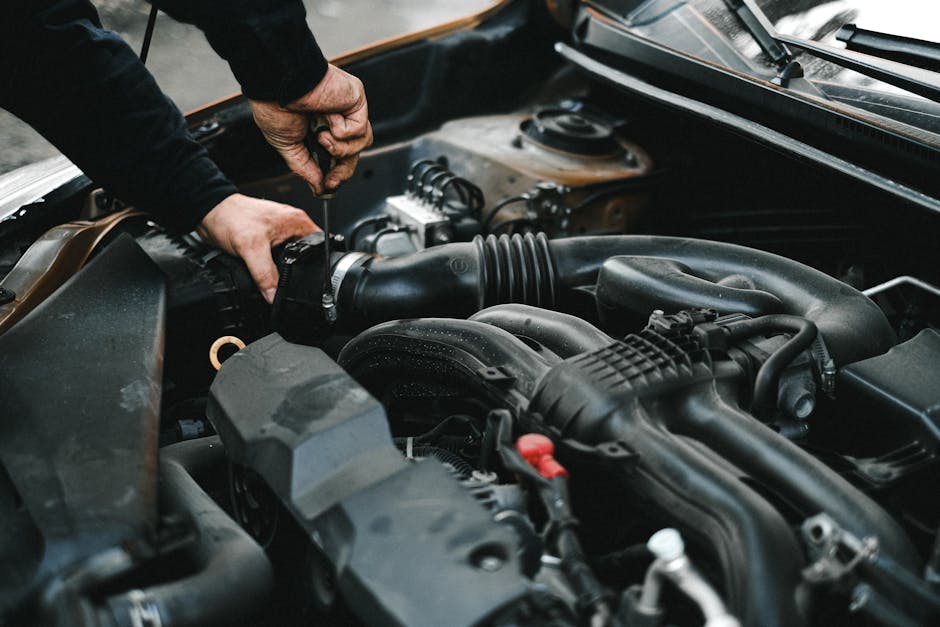
Why how much is a catalytic converter worth scrap changes so much
The biggest reason prices move is metal content. Catalytic converters use platinum, palladium, and rhodium to help reduce emissions. Those metals trade in global markets, so a quote that looked fair last month may be high or low today. Recyclers also pay based on expected recovery, not just the outside shell.
These are the value factors buyers usually care about:
- OEM vs. aftermarket: Factory converters usually pay more than aftermarket replacements.
- Serial number: A visible serial number helps the buyer identify the unit and quote with more confidence.
- Vehicle make and model: Some vehicles use converters with higher precious metal content.
- Condition: A cut, empty, broken, or contaminated converter may be worth less.
- Current metal prices: Platinum, palladium, and rhodium prices can change quickly.
- Local laws and buyer policy: Reputable buyers may require ID, proof of ownership, photos, or paperwork.
Do not remove a converter just because you saw a high number online. If the car still runs and needs to pass emissions, removal can create legal and repair problems. If the car is already junk, wrecked, or being parted out, then getting a quote can make sense.
How to get a better quote before you sell
Before you call a buyer, take clear photos. Photograph the whole converter, both ends, any stamped numbers, the honeycomb or foil core if visible, and the cut points. Do not grind, clean aggressively, or alter markings. A clean photo is helpful. A modified converter can make a buyer suspicious.
Ask for quotes from more than one recycler or licensed buyer. A vague offer like "bring it in and we will see" is not always bad, but you should at least know what information they need. Better buyers can usually explain why they quoted a certain amount. If they cannot explain the difference between OEM and aftermarket units, be careful.
Also ask how payment works. Some buyers pay cash locally. Some mail-in services pay by check, PayPal, or another trackable method after inspection. If you ship the converter, confirm who pays shipping, how the package is insured, how long the quote is honored, and what happens if the final inspection comes back lower than expected.
Selling more than one thing?
Cha-Ching Co can help you look at cash options for cars, gold, jewelry, and houses in one place.
Legal selling rules you should not ignore
Catalytic converter theft became such a problem that many states tightened rules around buying and selling them. The details vary by state, county, and buyer, but the safe rule is simple: expect to prove that the converter is yours.
A legitimate buyer may ask for:
- Your government ID.
- The vehicle title, registration, repair invoice, or proof that the converter came from your vehicle.
- Photos of the converter before removal.
- A signed seller statement.
- A waiting period or non-cash payment method, depending on local law.
If a buyer does not care where the converter came from, that is not a bonus. It can be a red flag. You do not want to get pulled into a transaction that looks like stolen property, even if your converter is legitimate.
There is also an emissions issue. Federal and state rules can restrict removing or tampering with emissions equipment from a vehicle that will be driven on public roads. If you are repairing a vehicle, talk to a qualified mechanic before removing anything. If the car is being scrapped, totaled, or sold for parts, keep your records.
Should you sell the converter alone or sell the whole car?
If the vehicle is still useful, selling only the converter usually does not make sense. Replacing a missing converter can cost much more than the scrap payout, and the car may fail emissions testing. If the vehicle is junk, non-running, wrecked, or too expensive to fix, then compare both options.
Selling the converter alone may make sense when:
- The vehicle is already being dismantled legally.
- You have paperwork proving ownership.
- The converter is OEM and identifiable.
- You are comfortable handling removal, quotes, and buyer rules.
Selling the whole car may be better when:
- You do not want to remove parts yourself.
- The car has other scrap value beyond the converter.
- You need towing handled.
- You want one simple transaction instead of multiple buyers.
If your car does not run, read Cha-Ching Co's guide on cash for junk cars. It can help you compare the converter value against the full vehicle offer.
Common mistakes that lower your payout
The first mistake is cutting too close to the converter body. Many buyers prefer some pipe left on each side, and rough cuts can make the unit harder to inspect or ship safely. The second mistake is accepting the first number without checking whether the buyer has identified the exact unit.
The third mistake is assuming every online price list applies to your converter. Online lists are useful for context, but they are not a binding quote. Your final offer may move after the buyer sees the serial number, confirms the unit is OEM, and checks current metal markets.
Finally, do not ship to a buyer without understanding the inspection process. If the quote is not locked, or if the buyer can reduce the price with no explanation, you have very little control once the converter is gone.
Bottom line: how much is a catalytic converter worth scrap?
So, how much is a catalytic converter worth scrap? For many sellers, plan on a broad range of about $45 to $450, then get a quote based on your actual unit. The converter's serial number, OEM status, vehicle source, condition, and current precious metal prices matter more than a generic chart.
If you have a legal, documented converter from a junk or repaired vehicle, take clear photos and compare reputable buyers. If you are also thinking about selling the whole car, compare both paths before removing parts. The highest converter quote is not always the best overall deal if it leaves you with a harder vehicle sale afterward.
Compare your cash options today
Cha-Ching Co helps you find practical cash-sale paths without pushy sales pressure.
Disclaimer: This article is for general information only and is not legal, financial, automotive, or emissions-compliance advice. Catalytic converter sale rules, scrap prices, title requirements, and emissions laws vary by location and can change. Confirm current rules with your local authorities, a licensed recycler, or a qualified automotive professional before removing, shipping, or selling a catalytic converter.