If you need to sell inherited jewelry, the hardest part is usually not the transaction itself. It is sorting through the emotion, the family details, and the uncomfortable question of what the pieces are actually worth. A ring, watch, necklace, or box of mixed items can carry memories and still need to be turned into cash, divided among heirs, or cleared from an estate.
The safest way forward is to slow the process down just enough to understand what you have. You do not need to become a jewelry expert. You do need a clean inventory, a basic sense of market value, and a plan for comparing offers before you hand anything over.
Want a simpler way to compare your cash options?
Cha-Ching Co helps sellers look at real cash offer paths without pressure, repairs, or confusing next steps.
Before You Sell Inherited Jewelry, Make a Simple Inventory
Start with the boring step first: list every item. A phone note is fine. A spreadsheet is better if there are many pieces or multiple heirs involved. Record the item type, metal markings, gemstone descriptions, brand names, condition, and any documents you found with it.
Look for hallmarks such as 10K, 14K, 18K, 22K, 925, PT950, or maker stamps. For watches, write down the brand, model, serial number if visible, box, papers, and service records. For diamonds or colored stones, look for grading reports from organizations such as GIA, IGI, AGS, or EGL. Old receipts, insurance schedules, appraisals, and handwritten notes can help, even if they are outdated.
Take clear photos before anything leaves your possession. Photograph the front, back, clasp, inside band, stamps, certificates, and any damage. This protects you if the estate has several people involved and it also makes it easier to request preliminary quotes.
Understand What Kind of Value You Are Being Quoted
One of the biggest mistakes people make when they sell inherited jewelry is comparing the wrong types of value. An insurance appraisal is usually a replacement value, meaning what it might cost to replace the item at retail. That number can be much higher than resale value.
A cash buyer is usually thinking in terms of resale value, melt value, gemstone value, brand demand, and how quickly the item can be resold. A diamond engagement ring, a heavy gold chain, a signed designer bracelet, and a broken 14K necklace may all need different pricing logic.
For gold and silver, weight and purity matter. For diamonds, the four Cs - cut, color, clarity, and carat - still matter, but resale demand matters too. For branded pieces like Rolex, Cartier, Tiffany, Van Cleef & Arpels, David Yurman, or Bulgari, the brand can add value beyond metal and stones if the piece is authentic and desirable.
If you are dealing with estate pieces more broadly, it may help to compare this process with our guide on how to sell estate jewelry without getting lowballed. If some pieces are mostly gold, our guide on how much your gold is worth can help you estimate a baseline before you request offers.
Check Probate, Ownership, and Family Agreement First
Before you sell, make sure you have the right to sell. If the jewelry is part of an estate, the executor or personal representative may need to handle the transaction. If probate is open, there may be rules about appraisal, distribution, or recordkeeping. If several heirs have a claim, get agreement in writing before selling anything valuable.
This does not have to be complicated, but it should be clear. Write down who approved the sale, what items are being sold, how offers will be compared, and where the proceeds will go. For higher-value jewelry, a formal appraisal may be useful for estate records, insurance, or equal division among heirs.
Do not clean antique or delicate pieces aggressively. Gentle soap and a soft cloth are usually enough. Harsh chemicals, ultrasonic cleaners, and polishing can damage stones, settings, patina, or collector value. If a piece looks fragile, leave it alone and let a jeweler inspect it.
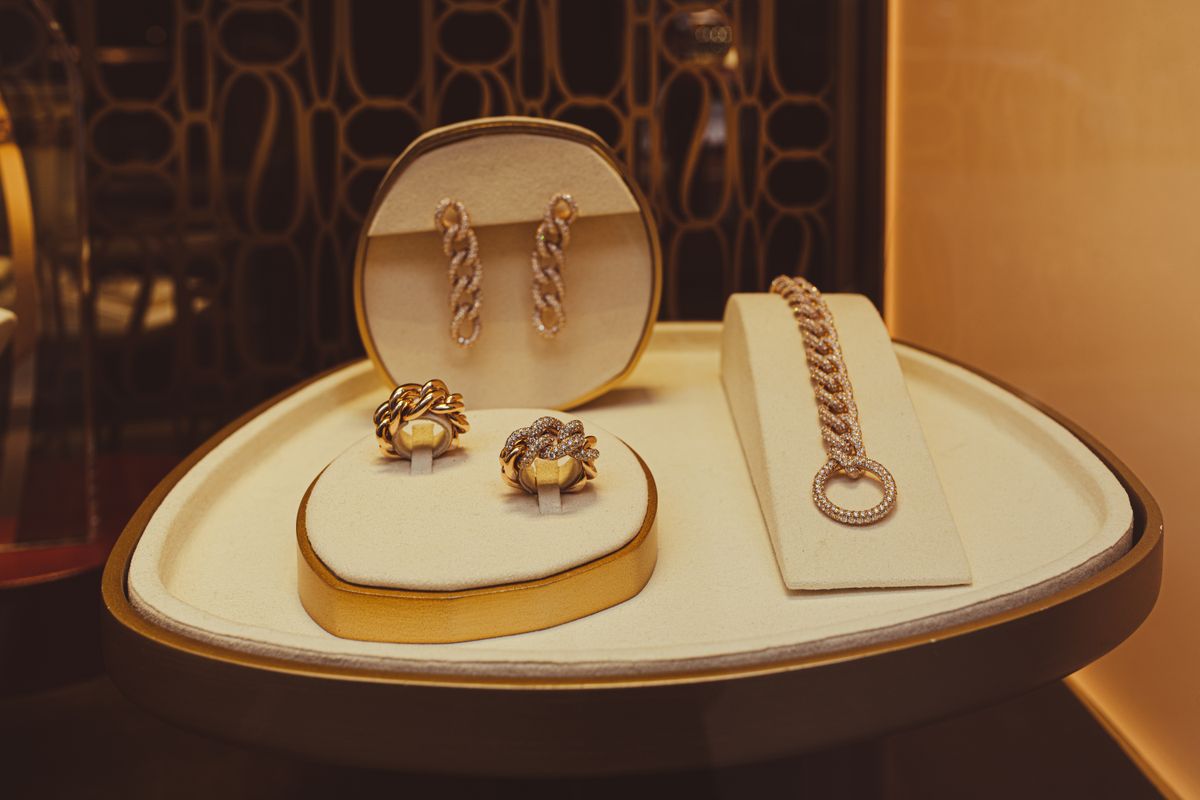
Where to Sell Inherited Jewelry
You have several real options, and each one has tradeoffs.
Local jewelers
A reputable local jeweler can inspect pieces in person and explain what they are paying for. This is often a good first stop for gold, diamonds, and signed pieces. The downside is that some stores only buy certain items or make offers based on their own resale needs.
Estate jewelry buyers
Estate buyers may understand older styles, antique settings, designer pieces, and mixed lots better than a general cash-for-gold counter. They can be useful when you have several items from the same estate and need a more complete review.
Online buyers
Online buyers can be convenient, especially for diamonds, gold, watches, or branded jewelry. Use insured shipping, read the payout policy, and make sure you can reject the offer and get your items returned. Avoid any buyer that is vague about insurance, return windows, or fees.
Auction houses or consignment
Auction or consignment can make sense for rare, designer, antique, or high-value pieces. The tradeoff is time. You may wait weeks or months, and fees can reduce the final payout. This path is usually better for pieces with collector demand, not ordinary broken jewelry or common small items.
Private sale
A private sale can sometimes bring a higher price, but it requires more work and more caution. You may need grading reports, strong photos, safe meeting arrangements, and patience. For emotionally loaded inherited items, many families prefer a cleaner professional transaction.
Compare your options before you sell
Cha-Ching Co gives sellers a straightforward way to explore cash offer options before making a final decision.
How to Sell Inherited Jewelry Without Getting Lowballed
Get more than one offer. Two or three serious quotes can reveal whether the first buyer is fair or simply convenient. Ask each buyer how they calculated the offer. A good buyer should be able to explain metal weight, purity, stone value, brand value, resale demand, and any deductions.
Separate obvious categories before quoting. Do not let a heavy gold chain, a diamond ring, a watch, and costume jewelry get thrown into one vague lot unless the buyer explains the value of each part. Mixed lots are where sellers often lose track of the valuable items.
Watch for pressure. A fair buyer will not need to rush you, shame you, or tell you the offer disappears in ten minutes. It is reasonable for gold prices to move, and it is reasonable for a quote to have a time limit, but the overall process should still feel clear and respectful.
Ask about fees before accepting. Shipping fees, appraisal fees, consignment commissions, auction premiums, and return fees can all change your real payout. The best offer is the amount you actually keep, not the highest number mentioned early in the conversation.
Documents That Can Increase Confidence
Gather anything that proves identity, quality, or ownership. Useful documents include purchase receipts, grading certificates, prior appraisals, insurance schedules, repair records, original boxes, brand cards, watch papers, and estate paperwork showing authority to sell.
Do not panic if you have no paperwork. Many inherited pieces come with nothing. A qualified buyer can still test metal, inspect stones, and verify many designer items. Documentation simply reduces uncertainty and can support a stronger offer when the item is valuable.
When Keeping the Jewelry May Be the Better Choice
Selling is not always the right answer. If a piece has strong family meaning, consider whether another heir wants to buy out the others or whether the item can be kept while less sentimental pieces are sold. Sometimes the best solution is to sell the pieces nobody wants and preserve one or two items that carry the most meaning.
For pieces with uncertain value, get an appraisal before selling. This is especially true for antique jewelry, signed designer items, larger diamonds, luxury watches, and anything that seems unusual. A quick cash offer is convenient, but convenience should not replace basic verification.
A Practical Step-by-Step Plan to Sell Inherited Jewelry
- Inventory every piece and take photos.
- Gather certificates, appraisals, receipts, boxes, and estate documents.
- Separate gold, silver, diamonds, watches, designer pieces, and costume jewelry.
- Check who has legal authority to sell if the estate is still being handled.
- Research melt value for gold and resale demand for branded pieces.
- Get at least two or three offers from qualified buyers.
- Compare the net payout, fees, return policy, and timeline.
- Keep written records of the sale and how proceeds were distributed.
This process may feel slow at first, but it saves money and family stress. Once the inventory and documents are organized, the actual sale becomes much easier.
Ready to see what your options look like?
Cha-Ching Co helps sellers explore fair cash offer options with a simple, pressure-free starting point.
Final Thoughts on Selling Inherited Jewelry
When you sell inherited jewelry, the goal is not just to get cash quickly. The goal is to make a clear decision you will still feel good about later. Inventory the pieces, understand the difference between appraisal value and resale value, confirm authority to sell, and compare offers before committing.
A careful process does not remove the emotion from inherited jewelry, and it should not. It simply protects you from rushed decisions at a time when your attention may already be pulled in too many directions.
Disclaimer: This article is for general informational purposes only and is not legal, tax, financial, or appraisal advice. Jewelry values, estate rules, probate requirements, and buyer offers vary by item and location. Consult a qualified appraiser, attorney, tax professional, or financial advisor before making decisions about valuable inherited property.