Can You Sell a House With Unpermitted Work?
Can you sell a house with unpermitted work? Yes, in most cases you can. The real question is how to sell it without creating a bigger problem for yourself later. Unpermitted work can make a buyer, agent, lender, or insurance company slow down and ask more questions. It can also change your price, your buyer pool, and the paperwork you need before closing.
Unpermitted work usually means a repair, remodel, addition, conversion, electrical change, plumbing change, roof job, deck, garage conversion, finished basement, or other project was completed without the permit your city or county required. Sometimes the current owner did the work. Sometimes it happened years ago under a previous owner. Either way, the issue tends to show up when someone checks permit records, orders an inspection, reviews square footage, or asks whether the work was approved.
Need a Clean Way to Sell As-Is?
Cha-Ching Co can review your property and give you a free cash offer without asking you to repair or permit old work first.
Can You Sell a House With Unpermitted Work Legally?
In many markets, yes. A house does not usually become unsellable just because it has unpermitted work. Sellers list and close on properties with old garage conversions, additions, finished basements, decks, bathrooms, roof repairs, and electrical updates all the time. The catch is that known issues usually need to be disclosed, and disclosure rules depend on your state and local forms.
That last part matters. "As-is" does not mean "say nothing." It means you are generally saying you do not plan to make repairs or give repair credits unless you agree to them in writing. It does not erase seller disclosure duties. If you know a bedroom, bathroom, addition, or other improvement was done without permits, hiding it can create legal risk after closing.
The best first move is simple: gather what you know. Look for receipts, contractor invoices, old listing descriptions, inspection reports, appraisal notes, and city permit records. If you are not sure whether the work was permitted, you can often search your local building department's online permit portal or ask a real estate agent to help compare public records against the house as it sits today.
If the work was done by a previous owner and you only discovered it recently, write down what you found and when you found it. Do not guess. A buyer can handle uncertainty better than a seller who keeps changing the story.
Why Can You Sell a House With Unpermitted Work, But Still Face Delays?
The sale can still happen, but unpermitted work changes how buyers underwrite risk. A buyer may worry that the work is unsafe, that the city could require changes later, that the square footage is overstated, or that future resale will be harder. Even if the work looks good, the missing permit creates a question mark.
Financed buyers can be tougher than cash buyers. Lenders, appraisers, and insurance companies may care about whether space is legally counted, whether major systems were altered, and whether safety issues are visible. If an appraiser cannot give full value to an unpermitted addition, the buyer may not qualify for the same loan amount. If insurance has concerns about electrical, plumbing, roof, or structural work, the closing can slow down.
That is why a deal may look fine at first and then get messy after inspection or appraisal. A buyer might ask for a price reduction. Their lender might ask for more documentation. The city might need to inspect the work before issuing an after-the-fact permit. None of that means the house cannot sell. It means the sale needs to be priced and structured around the issue from the beginning.

Your Main Options When Selling a House With Unpermitted Work
Most sellers choose one of three paths: legalize the work, list the home as-is with disclosure, or sell directly to a cash buyer who is comfortable taking on the risk. The right option depends on your timeline, the type of work, your local permit office, and how much money you want to spend before selling.
Option 1: Apply for retroactive permits
Some cities allow after-the-fact permits. This may involve drawings, contractor review, inspections, opening walls, repairing code issues, paying permit fees, and waiting for sign-off. If the work is high quality and close to current code, this can protect your sale price. If the work is old, hidden, or poorly done, the process can become expensive.
Retroactive permitting makes the most sense when the work adds real value and the cost to legalize it is reasonable. A finished basement, extra bathroom, major addition, or converted living area may be worth cleaning up on paper if you have time and the local building department is workable.
Option 2: List the home as-is with clear disclosure
You can also list the property and make the issue clear up front. This often means pricing the home lower than it would be if the work were fully permitted. The buyer is taking on uncertainty, so they will usually want room in the price for future repairs, permitting, or resale risk.
This path can work when the local market is strong, the work appears safe, and the buyer pool includes investors, contractors, or buyers with larger down payments. It can be harder if your likely buyer needs FHA, VA, or low-down-payment financing and the unpermitted work affects safety, value, or insurability.
Option 3: Sell to an as-is cash buyer
A direct cash buyer can usually move faster because there is no lender asking for repairs before funding. Cash buyers often buy homes with old additions, code issues, property damage, liens, inherited clutter, and repair needs. They will still price the risk, but they usually do not need you to spend weeks chasing permits before closing.
This is also where a company like Cha-Ching Co can help. If your goal is certainty and a clean exit, a cash offer gives you a number you can compare against the open market. You are not obligated to accept it, but it can help you decide whether repairs, permits, showings, and delays are worth the possible upside.
Compare Your Options Before You Spend on Permits
Get a free cash offer from Cha-Ching Co, then decide whether selling as-is or fixing the issue first makes more sense.
How Unpermitted Work Can Affect Your Price
Unpermitted work can reduce value, but the amount depends on the work itself. A small unpermitted shed is different from an unpermitted bedroom, second unit, room addition, or electrical panel. Buyers care most about safety, cost to correct, and whether the work was counted in the advertised value of the home.
Square footage is a common sticking point. If a garage was converted into living space without approval, the buyer may not be able to treat it the same as permitted living area. If an addition is not recognized by the city, the appraiser may value it differently or exclude it from the main living area. That can create a gap between what the seller expects and what the buyer's lender will support.
The cleanest pricing approach is to be realistic early. Ask what the home would be worth if the work were permitted, what it might cost to legalize or remove the work, and how much uncertainty a buyer is taking on. A good agent, contractor, permit consultant, or cash buyer can help you frame those numbers.
If you are deciding between an open-market listing and a direct sale, read Cha-Ching Co's guide to selling a house as-is. If speed is the bigger issue, you may also want to compare timelines in how to sell a house fast.
What to Do Before You Accept an Offer
Before signing anything, get the facts as clear as you can. Start with the permit record, then compare it with the current property. If you see a bedroom, bathroom, deck, enclosed patio, finished basement, converted garage, or addition that does not appear in city records, flag it before the buyer does.
Next, decide how much professional help you need. A general home inspector can identify visible safety concerns. A contractor can estimate repair or code correction costs. A permit expediter or local architect may know how your city handles after-the-fact permits. A real estate attorney can explain disclosure risk in your state. You may not need all of them, but guessing your way through a permit problem is rarely the cheapest path.
Keep written records. Save emails, estimates, permit searches, inspection reports, and buyer communications. If you disclose the issue, keep a copy of the signed disclosure. If you sell as-is, make sure the contract language matches what you actually agreed to. Clean paperwork will not make a bad issue disappear, but it can reduce confusion.
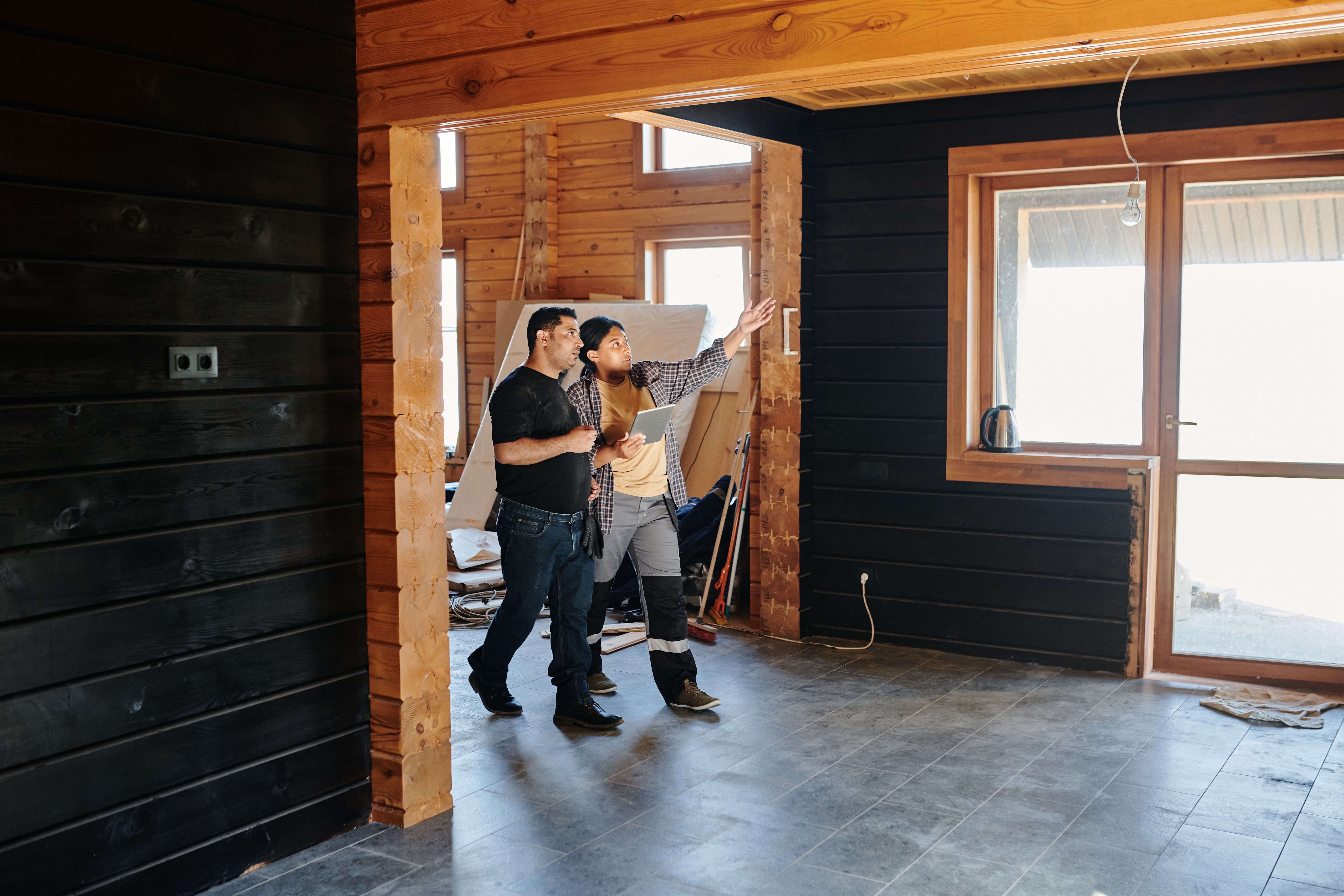
Can You Sell a House With Unpermitted Work to Cha-Ching Co?
Yes, Cha-Ching Co can review homes with unpermitted work and make a free cash offer. That includes houses with additions, repairs, old remodels, inherited improvements, garage conversions, code concerns, and unfinished projects. The offer will reflect the property as it sits today, so you can decide whether a direct sale is better than spending money before you sell.
This is a practical option if you do not want to invite months of permit questions, contractor bids, repair negotiations, showings, appraisal conditions, or buyer financing delays. It is not the perfect fit for every seller. If your work can be permitted cheaply and you have time to wait, the open market may bring a higher gross price. But if you want certainty and less back-and-forth, a cash offer is worth comparing.
Bottom Line
Can you sell a house with unpermitted work? Usually, yes. You just need to treat it like a real issue, not a detail to bury. Find out what was done, disclose what you know, understand how the issue affects financing and price, and compare your options before spending money on permits or repairs.
If you want a simple starting point, ask Cha-Ching Co for a free cash offer. You will get a clear number for the property as-is, and you can use that number to decide what path makes the most sense.
Sell Without Fixing Old Permit Problems First
Cha-Ching Co buys houses as-is and can give you a free cash offer before you spend another dollar on repairs.
Disclaimer: This article is for general information only and is not legal, tax, financial, construction, or real estate advice. Permit rules, seller disclosure duties, contract terms, and local code requirements vary by state, county, and city. Before making a decision, consider speaking with a licensed real estate professional, real estate attorney, contractor, or local building department in your area.