Selling a house with a finished basement without a permit is usually possible, but the basement may raise questions that an ordinary listing would not. The useful first step is to find out what the local building department approved, what the basement is actually used for, and how a buyer's appraiser will describe it. A comfortable family room is not automatically a legal bedroom or a separate apartment. You do not need to guess, and you do not need to promise a buyer that a permit can be obtained later.
Compare an as-is offer
Cha-Ching Co can provide a free cash offer for your house so you can compare it with listing and permit options.
Selling a house with a finished basement without a permit: what changes?
A missing permit does not, by itself, tell you that a sale is prohibited. It tells you that the work and the way it is described need checking. A basement may have been finished decades ago, during a previous owner's tenure, or by someone who did not realize that adding walls, wiring, plumbing, or a bedroom needed approval. Local rules decide what permits were required at the time and what can be approved now.
Separate three questions before choosing a path. First, is there a permit and final inspection for the actual work? Second, is the space allowed to be used the way you use or advertise it? Third, how will a buyer and appraiser value it? A permit answers only part of the story. For instance, permission to add a bathroom is not necessarily permission to turn the whole basement into an apartment. A finished room can be useful to a buyer even when it is reported separately from above-grade living area.
Portland, Oregon, gives a clear local example, not a nationwide rule: it says a conversion of a basement to living space requires a building permit and that a finished basement without a permit needs the same conversion application as unfinished work. Portland also warns owners not to treat county tax records as proof of permitted living space. Your own city or county may use different standards or retain different records, so ask that office about your address.
How to check a finished basement before listing
Start with the permit history rather than the real estate listing from when you bought the house. Search the local permit portal by address and parcel number, then ask for old paper records if the online file is incomplete. Look for the scope of work and whether inspections were finalized. A permit for a furnace or electrical panel does not necessarily cover finished walls, a bathroom, or a new sleeping room. Take notes on what the record proves and what remains uncertain.
Then walk the basement. Write down when the work was done, who did it if known, and what changed: walls, outlets, plumbing, windows, heat, stairs, or an exterior entrance. Save invoices, photos, inspection reports, and the description from the prior sale. If a previous owner did the work and you cannot confirm a date, say so. A clear statement of what you know is more useful than a confident guess.
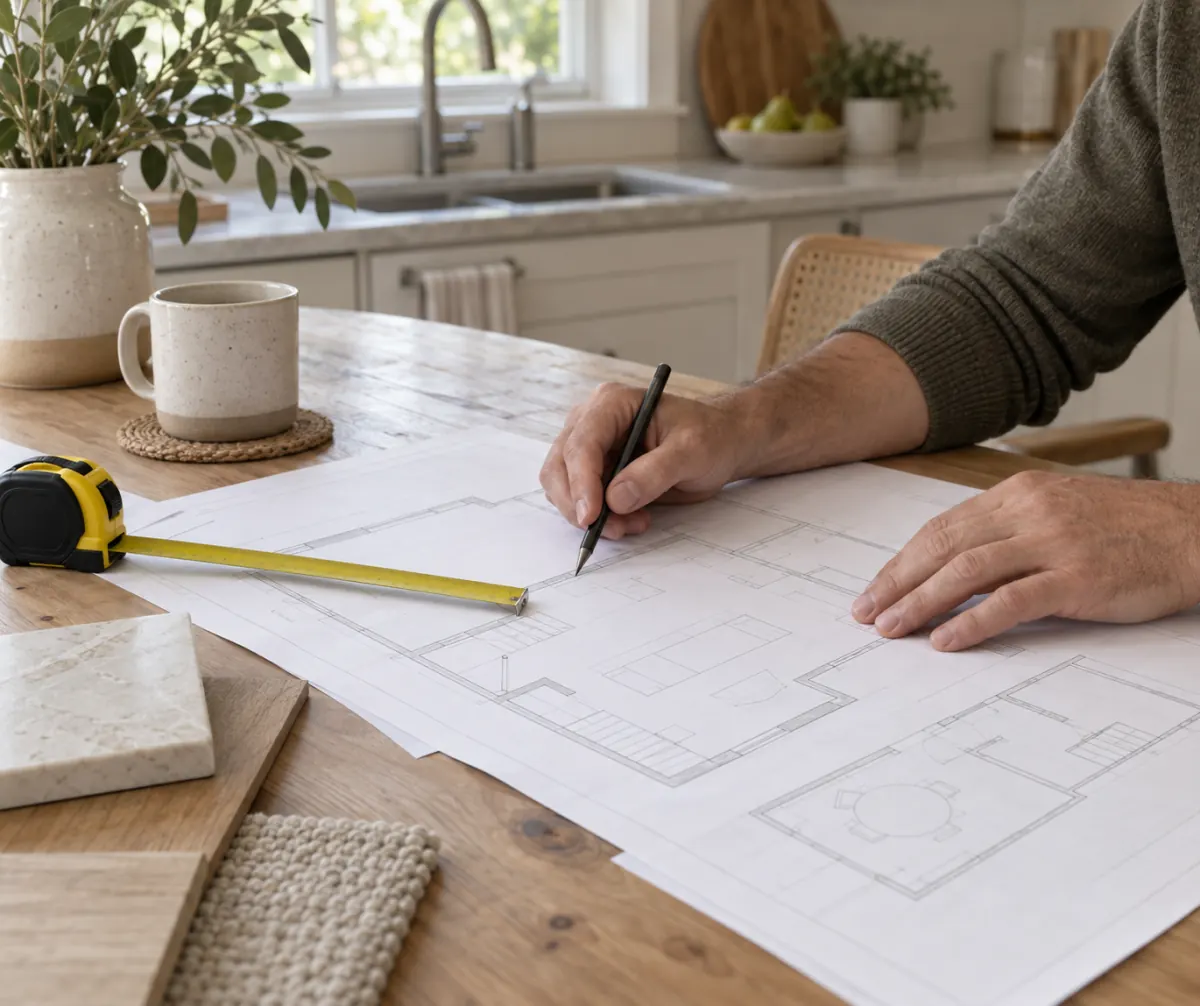
Ask the permit office what would be needed to review existing work. The answer may depend on ceiling height, stair geometry, emergency escape, insulation, ventilation, electrical work, and whether walls must be opened for inspection. Portland lists these as possible obstacles to converting old space and notes that some existing situations may qualify for alternative standards. Do not assume a contractor can guarantee retroactive approval before the building official reviews the property.
Have a qualified inspector or contractor look at visible safety and moisture issues before you set a price. A damp basement is not merely a cosmetic problem. The EPA advises correcting leaks and moisture before converting a basement to living space and warns that carpet over concrete can hide water and mold problems. If you see staining or smell persistent mustiness, investigate the cause rather than covering it for photos.
Selling a house with a finished basement without a permit: bedroom and square footage claims
Be careful with two tempting listing claims: adding basement floor area to the home's above-grade square footage and calling every finished room a bedroom. Fannie Mae's single-family appraisal guidance says a level is below grade if any portion is below grade, even when it is a bright walk-out space. Its appraisers report below-grade rooms separately from above-grade square footage and room count. The same guidance says below-grade space can still add substantial value and should be adjusted for in the appraisal.
That means the basement is not worthless, but it is not interchangeable with a permitted main-floor bedroom. An appraiser may compare it with similar homes that have finished basements. Buyers may still pay for a comfortable recreation room, office, or storage area. Ask your agent how local listings distinguish above-grade area from finished below-grade space. Do not quietly roll the two together in a headline square-footage figure.
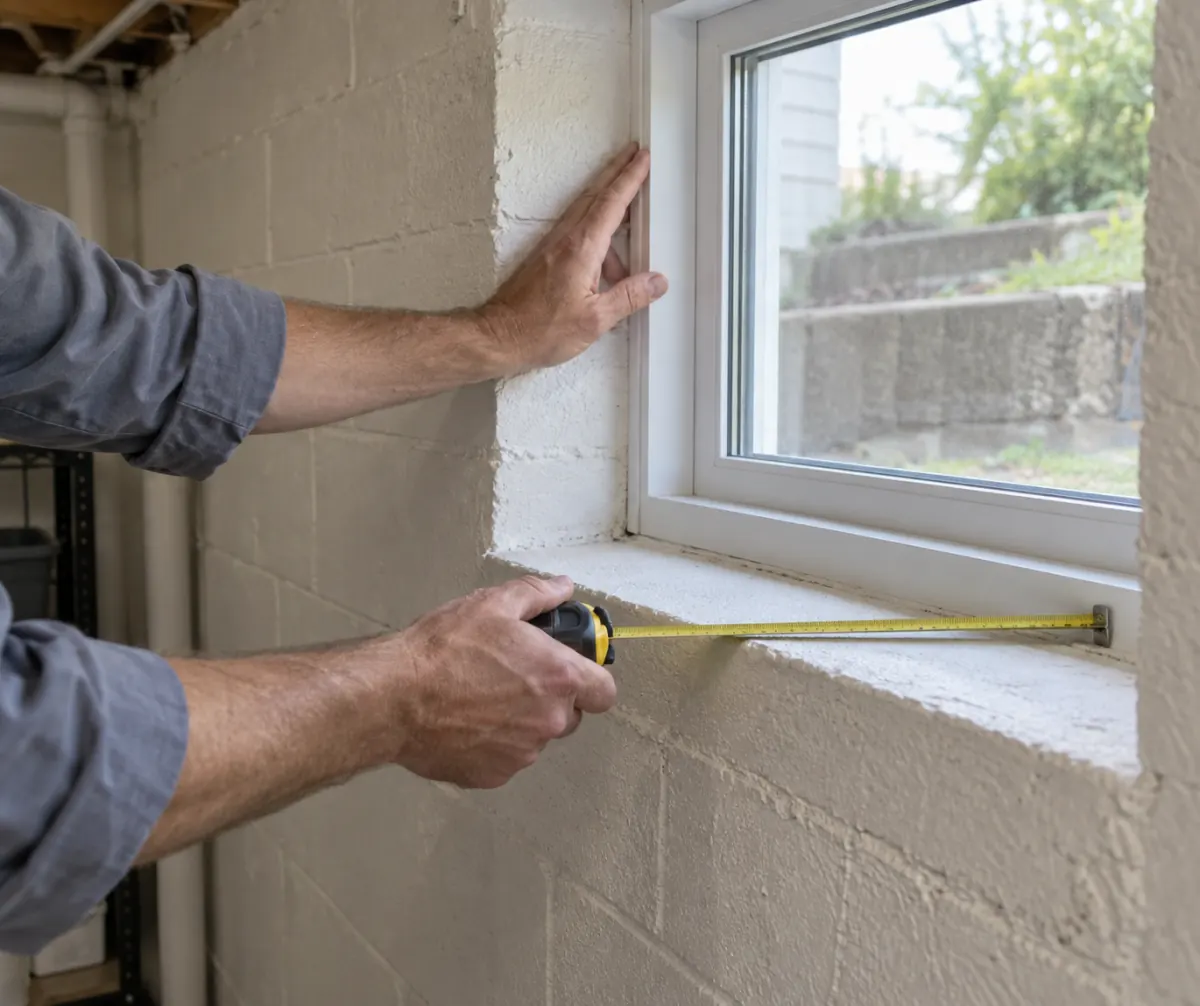
A sleeping-room claim needs special care. A room's paint, door, and bed do not establish legal bedroom status. Emergency escape, light, ventilation, ceiling height, and heating rules can apply, with details varying by jurisdiction and code edition. If the basement is being offered as an independent rental unit, separate occupancy and zoning rules may apply as well. New York City's housing department, for example, distinguishes basements from cellars and warns that an illegal basement or cellar apartment can present fire-escape and ventilation hazards. That example is not a rule for every city.
Until your local authority or qualified professional confirms the status, describe the space factually. A listing might say "finished lower-level room; permit status unverified" rather than advertise a legal bedroom or rentable suite. Ask your agent and attorney what your state requires in the seller disclosure form. "As-is" is a sale condition, not a reliable substitute for answering required disclosure questions truthfully.
See the numbers before you decide
A free Cha-Ching Co cash offer gives you one as-is comparison while you price the work and review permit records.
Should you seek an after-the-fact permit?
Possibly. It can make the property easier to explain and may widen the buyer pool, but the cost and timing are uncertain until you know what the building office will require. If a basement bathroom, bedroom, or apartment was added, the review could involve more than filing a form. You may need drawings, licensed trade work, inspections, corrections, and a final sign-off. If work is concealed, an inspector may need access behind finished surfaces. Get the requirements in writing before promising a buyer a completion date.
Compare the likely cost with the probable benefit. Ask one qualified contractor for a scoped estimate, not just a verbal assurance, and ask the permit office about fees and inspection steps. Factor in the time you may carry the property, the possibility of opening walls, and the chance that the work cannot be legalized as currently built. If your sale must close on a fixed date, build in a realistic contingency or choose a buyer who understands the unresolved issue.
There is also a middle ground: investigate and disclose without completing the permit yourself. A buyer may accept the uncertainty at a negotiated price. That does not mean every financed buyer will qualify or that an insurer will ignore safety concerns. Put any agreement about repairs, credits, permit responsibility, and the description of the space in the written contract, with advice from local professionals. A cash buyer avoids a mortgage lender's appraisal conditions, but still needs to understand the property's legal and physical condition.
For a broader look at this issue beyond basements, see our guide to selling a house with unpermitted work. It covers additions and other projects; this article focuses on basement-specific use and appraisal questions.
How to price and present the house honestly
Request comparative sales that reflect houses with similar finished lower levels. A comparable with a fully permitted apartment may not be a fair match for an unverified recreation room. Neither is a house with no finished basement at all. Ask your agent to show the adjustment logic, including which areas are above grade and which are below. Fannie Mae's rules require appraisers to report below-grade space separately, but a buyer's final financing and valuation depend on the lender and the specific property.
Take clear photos of the basement and note its actual features, but avoid staging it as a bedroom if that use is unverified. Keep the permit search, estimates, and any inspection results together so you can answer buyer questions consistently. If you decide to list while approval is pending, say what has been applied for and what has not been approved. An open application is not the same as a final permit.
One useful comparison is net proceeds, not just asking price. Estimate the price after permits and repairs, subtract their cost and the time you expect to carry the house, then compare that with a transparent as-is offer. Include ordinary closing costs in both scenarios. The higher gross offer may still be the better deal, but you should know what it takes to reach closing. If you are considering a direct buyer, our guide to selling a house as-is explains the trade-offs.
A practical sequence for your next week
- Request records. Pull the address and parcel permit history, including final inspection status. Do not rely only on a tax-assessor description.
- Describe the work. Record the rooms, utilities, exit routes, signs of moisture, and the documents you have. Distinguish facts from assumptions.
- Call the permit office. Ask what applies to an already finished basement and whether the proposed use is allowed. Ask separately about any bedroom or rental-unit use.
- Price both paths. Obtain a scoped professional estimate and local comparable sales. Compare a conventional listing with a written as-is offer after costs.
- Prepare disclosures. Review your state's forms with an agent or attorney. Keep the listing, buyer conversations, and contract consistent with the known record.
If you inherit the problem from a previous owner, do not blame yourself for not having a complete file. You can still make a careful sale. What helps most is narrowing uncertainty early: what the city record says, what remains unverified, and who will be responsible for any future permit work.
The bottom line
Selling a house with a finished basement without a permit is often feasible. The safest route is to verify the permit record, describe the basement without overstating legal use or square footage, investigate visible safety or moisture issues, and compare the cost of after-the-fact approval with an honest as-is sale. Local rules and buyer financing determine the details. You can choose the route that fits your time and finances once those details are on the table.
Compare your selling options
Cha-Ching Co can review the property as it stands and provide a free cash offer with no obligation to accept.
Sources: Portland Permitting & Development, basement conversion guidance; Fannie Mae Selling Guide, appraisal improvements section; EPA, remodeling and indoor air quality; NYC HPD, basement and cellar guidance. Accessed September 29, 2026.
Disclaimer: This article provides general educational information and is not legal, tax, financial, construction, or real estate advice. Permit rules, seller disclosure duties, code requirements, appraisal practices, and contract terms vary by location and property. Consult your local building department, a qualified contractor, licensed real estate professional, and real estate attorney about your situation before making a decision.