Can a flooded car be fixed? Sometimes, yes. But getting it to start again is not the same as making it safe or deciding that repairs are worth the money. A qualified inspection and written estimate will help you compare repairs with your insurance and selling options.
If the car is still sitting near floodwater, put your safety first. Once the area is safe, resist the urge to turn the key "just to see." You do not have to choose between repairing and selling today. First, find out what happened to the car and what each choice would actually leave you with.
Compare an as-is option
Request a free cash offer from Cha-Ching Co. Describe the flooding and ask about vehicle eligibility.
Can a flooded car be fixed safely? Start with an inspection
AAA's flood-damage guidance says not to start a flood-damaged vehicle until a qualified technician has inspected it thoroughly. Water contamination can affect mechanical components, computer systems, the brakes, and other systems. A car that looks reasonably clean can still need substantial work.
Arrange professional towing rather than driving it to the shop. Tell the towing company that the vehicle was flooded, and mention whether it is electric or hybrid. Ask your insurer whether it has inspection or towing requirements before booking services or authorizing repairs.
From a safe location, photograph visible damage and the waterline if you can see one. Write down when the flooding happened and whether anyone tried to start the car afterward. Keep towing, storage, and inspection paperwork together. Those details give the technician and insurer something more useful than "it got wet."
For an EV or hybrid with suspected battery damage, contact the dealer for instructions. NHTSA warns about shock and fire risks and says not to park a damaged vehicle with a lithium-ion battery in a garage or within 50 feet of a structure, another vehicle, or combustibles. Do not attempt battery repairs or move a hazardous vehicle yourself; ask professionals how to handle it.
What the technician needs to check
The waterline is useful evidence, not a diagnosis. AAA notes that flooding above the door openings may require extensive disassembly for cleaning. Ask the shop to explain what was exposed and what it has actually checked, rather than promising that the whole car is fine because the cabin dried out.
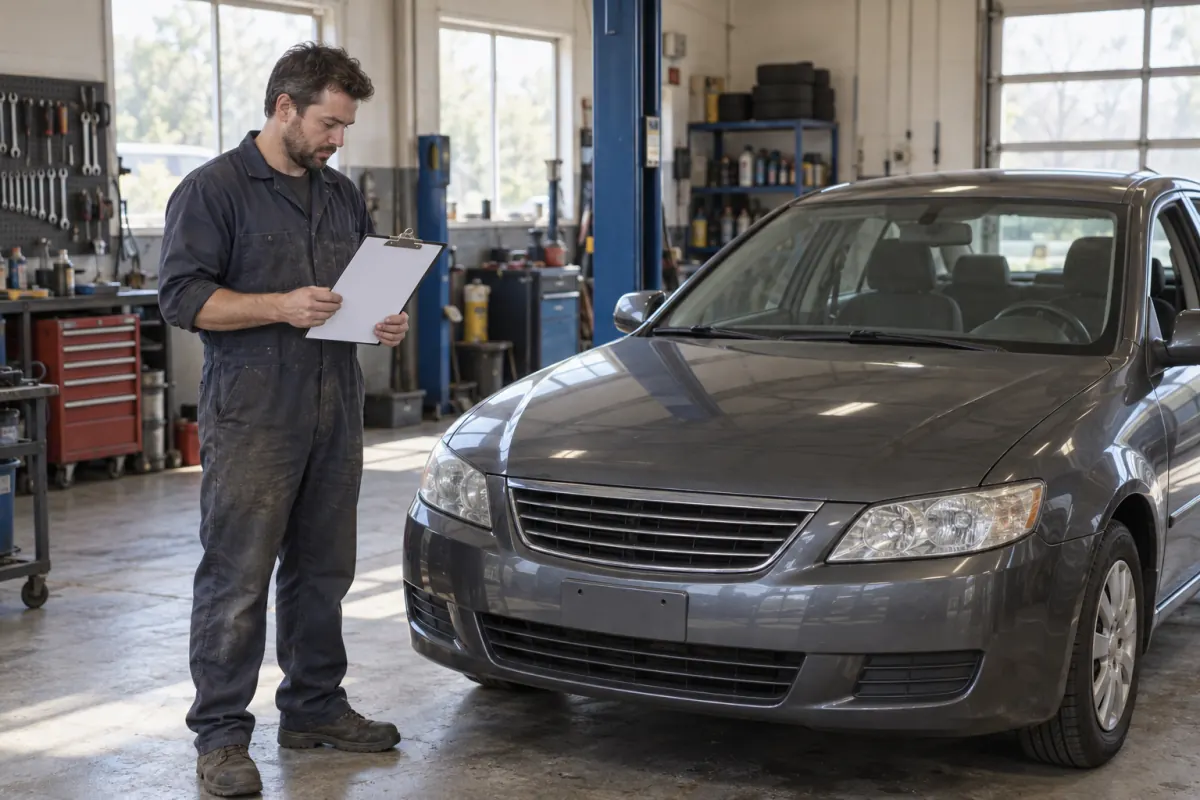
A written assessment should address the engine and transmission, contaminated fluids, brake and fuel systems, electrical connectors, wiring, and affected electronic components. Ask whether further dismantling is needed to assess areas the first inspection could not reach. For safety equipment, ask the technician what inspection and replacement procedures the manufacturer requires for your model.
AAA explains that electrical corrosion can cause problems weeks or months after flooding. Parts in enclosed areas, including seat motors and heating or air-conditioning components, may initially work and fail later. That does not mean every flooded car is beyond repair. It means a quick startup test is a poor basis for a spending decision.
Before approving a quote, ask:
- Which repairs are required before this car can return to the road?
- What remains uninspected, and could the estimate change after disassembly?
- Does the estimate include cleaning, affected components, labor, and applicable taxes?
- What does the repair warranty cover, and what flood-related problems are excluded?
Keep the answers in writing. If a shop cannot explain the scope of work, consider another qualified opinion before committing money.
Can a flooded car be fixed without losing money?
There is no reliable nationwide repair price for your particular flooded car. AAA says repair costs can exceed the vehicle's value, depending on its year, make, and model. Use your own written estimates and actual offers instead of an online average that may describe a completely different situation.
Compare the choices on the same basis. For repair-and-sell, use a realistic sale value with the flood history disclosed, minus repairs and selling expenses. For an as-is sale, use the buyer's written offer minus any towing, storage, or other charges you would pay. Check both calculations for an outstanding loan payoff.
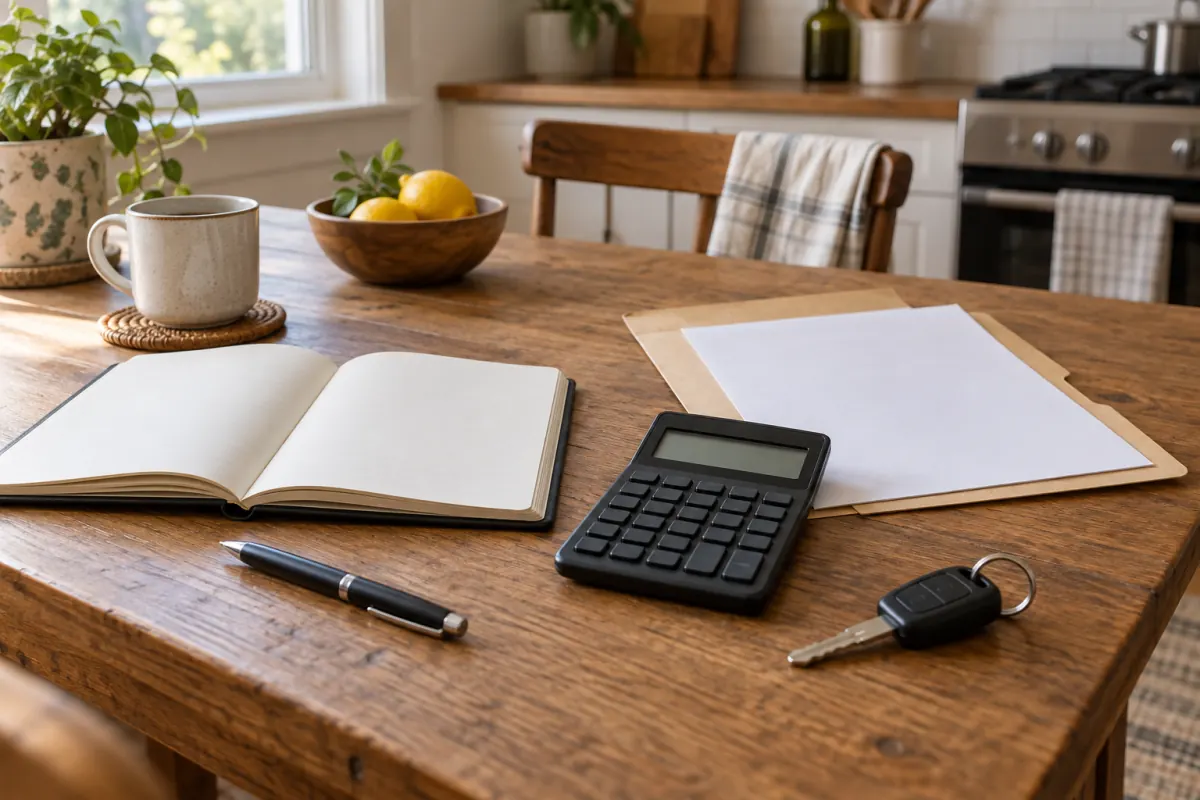
Here is a made-up example, not a valuation or repair quote. Suppose a buyer would pay $7,000 after documented repairs, the repair estimate is $4,000, and your remaining selling costs are $300. That leaves $2,700 before any loan payoff. A $2,900 as-is offer with no seller-paid pickup charge would leave $200 more under those assumptions.
Change the assumptions and the answer changes. A larger repair bill makes the repair route less attractive; a stronger documented resale value may make it more attractive. Do not use the car's old, undamaged value as though the flood never happened.
If you intend to keep the vehicle, ask a different question: can you afford the confirmed repairs and accept the uncertainty the shop identifies? A familiar car may matter to you, but that should sit alongside the inspection findings, not replace them.
Put a written offer beside the repair estimate
Ask Cha-Ching Co for a free cash offer so you can compare your options. No obligation to accept.
Call your insurer before spending on repairs
AAA says flood damage is covered under the optional comprehensive portion of an auto policy. Coverage, deductibles, and claim decisions still depend on your policy and circumstances. Contact your insurer to confirm what applies; do not assume having any auto insurance means this loss is covered.
Send the photographs, inspection report, and estimate the insurer requests. Ask what repairs you may authorize, who is responsible for storage charges, and whether the insurer is considering the vehicle a total loss. Get the answers before making arrangements that could conflict with the claim.
If the vehicle is declared a total loss, ask how the settlement, title transfer, and any loan balance will be handled. If you want to keep it, ask whether owner retention is available and what deductions or paperwork would apply. Do not assume you can accept a settlement and then separately sell a vehicle whose ownership has transferred.
A total-loss decision and a repair decision are related, but they answer different questions. Ask the insurer to explain its valuation and ask the shop to explain the physical damage. Avoid treating either conversation as permission to drive the car.
Selling as-is without hiding the flood history
An as-is sale may be worth comparing when the estimate is unclear or repairs do not leave enough value. Your task is to describe the known condition honestly and confirm that you can legally transfer the vehicle, not to make it look undamaged.
Tell prospective buyers it was flooded. Share the inspection report, any known starting attempts, and the current title status. If you do not know whether a component works, say so. Do not advertise it as roadworthy merely because the engine turns over.
NHTSA explains that totaled vehicles may enter the salvage and rebuilding market, with flood or salvage history reflected in title records. Requirements vary by state. Contact your DMV about the actual title, disclosure, inspection, and registration steps for your situation; do not assume a branded vehicle can be registered or driven after an ordinary bill of sale.
Our guide to selling a car with a rebuilt title covers questions to ask about branded-title sales. If the vehicle has not been rebuilt, describe its current status accurately rather than calling it rebuilt in an advertisement.
Request written offers that identify the buyer, vehicle, condition, payment amount, pickup arrangements, and any deductions. Ask whether the buyer accepts your specific title status and who handles transfer paperwork. If there is a loan, confirm the payoff and title-release process with the lender before agreeing to transfer ownership.
For a broader comparison of selling routes, see our guide to selling a car with mechanical issues. A sale can be practical without being rushed. Compare net proceeds and paperwork, not just the largest number mentioned over the phone.
Questions owners ask after the water recedes
What if my flooded car still runs?
Have it inspected before returning it to the road. NHTSA warns that flood damage can affect vehicle mechanisms for years and may not show up immediately. Running today does not settle whether contaminated systems or hidden electrical damage have been addressed.
Can I just dry the interior and sell it?
A clean interior does not prove the rest of the car is undamaged. Tell the buyer about the flooding and provide the records you have. Ask your DMV what disclosures and title procedures apply before the transaction.
Should I pay for repairs before asking for offers?
Usually, it is useful to compare an estimate with an as-is offer first. This is a decision-making suggestion, not a promise that every buyer will bid on your car. Spending first removes the chance to compare those options with the repair money still in your pocket.
How do I choose without an exact resale value?
Use a range based on actual buyer conversations, with the flood history disclosed. Ask the shop about remaining uncertainty. If repairs only look worthwhile at your most optimistic sale price, get better information before authorizing them.
A reasonable next step
Start with safety and a qualified inspection. Then confirm the insurance decision and compare a complete repair estimate with written as-is offers. Keep the title and any loan payoff in the calculation. You are trying to choose a workable outcome, not prove that the car can be rescued at any cost.
If you would like another option to compare, Cha-Ching Co's website offers a free, no-obligation cash-offer request for cars. Explain the flood history and ask whether your vehicle and title status are eligible. An offer request is not a guaranteed purchase or a substitute for inspection, insurance advice, or state paperwork.
Choose the option that works for you
Request a free, no-obligation cash offer from Cha-Ching Co and confirm the terms for your flooded vehicle.
Disclaimer: This article is general information, not mechanical, legal, insurance, or financial advice. Flood damage, coverage, title rules, and buyer eligibility vary. Consult a qualified technician, your insurer, lender, and state DMV about your vehicle before driving, repairing, or transferring it. Examples are hypothetical; no purchase price or outcome is guaranteed.