Can you sell a house with open permits? Sometimes, but you should not assume the sale can close before those permits are resolved. Your local building department's rules, any required sale certificate, and the buyer's financing and contract all matter. Start by finding out why each permit is still open. A missing final inspection needs a different response from unfinished construction.
If this turned up while you were getting ready to move, it is understandable to feel frustrated. The kitchen may have been finished years ago. Before paying for new work or accepting a lower offer, get the permit record and ask what is actually missing. This guide focuses on permits that were issued but have not received official closure, rather than work performed without a permit.
Compare an offer while you check the records
Request a free, no-obligation cash offer from Cha-Ching Co. Explain the open permits and confirm what the proposed sale would require.
Can you sell a house with open permits under local rules?
There is no single nationwide answer that settles your property's sale. A buyer's willingness to accept an open permit does not establish whether a local transfer requirement has been met. Ask the building department about the property address and each permit number, then ask your closing professional what documentation the transaction needs.
For a concrete example, North Brunswick Township's home-sale guidance says residential sales require a Home Sale Certificate. The township reviews permit and inspection history, and the certificate cannot be issued until applicable requirements are satisfied. Its guidance tells owners to address open permits, complete required inspections, and obtain final approvals before closing. That is a local requirement, not a rule for every American home.
Boston's guide to closing open permits warns that unresolved permits can affect marketability and delay real estate transactions, mortgage approvals, or insurance coverage. It tells permit holders to obtain required inspections and verify official closure even after a successful final inspection.
These examples explain why an offer alone is not enough. Before committing to a closing date, request a written explanation of your local requirements. If a department mentions a waiver or exception, ask for its conditions rather than assuming your sale qualifies.
Find out what “open” means for your permit
A project can look complete while its permit record is unfinished. North Brunswick explicitly warns that completing construction does not automatically close a permit: required inspections and final approvals also have to be completed. Boston likewise advises confirming that a final inspection actually happened, since contractors may overlook that step.
Ask the department which of these situations describes your record:
- The work is complete, but a required inspection was never scheduled.
- An inspection took place, but the record lacks the approval or closure entry.
- The work remains unfinished or needs corrections before approval.
- The record shows an expired permit, and the department needs to explain the next step.
Treat that list as questions to investigate, not a diagnosis. Do not call an expired permit closed just because nobody has contacted you about it. Ask whether renewal, a new application, or another procedure is required for that specific record. Keep the department's answer with your sale documents.
If no permit was ever issued, you have a different problem. Our guide to selling a house with unpermitted work covers that situation. Avoid describing the work as approved merely because an application or permit number exists.
Can you sell a house with open permits after a final inspection?
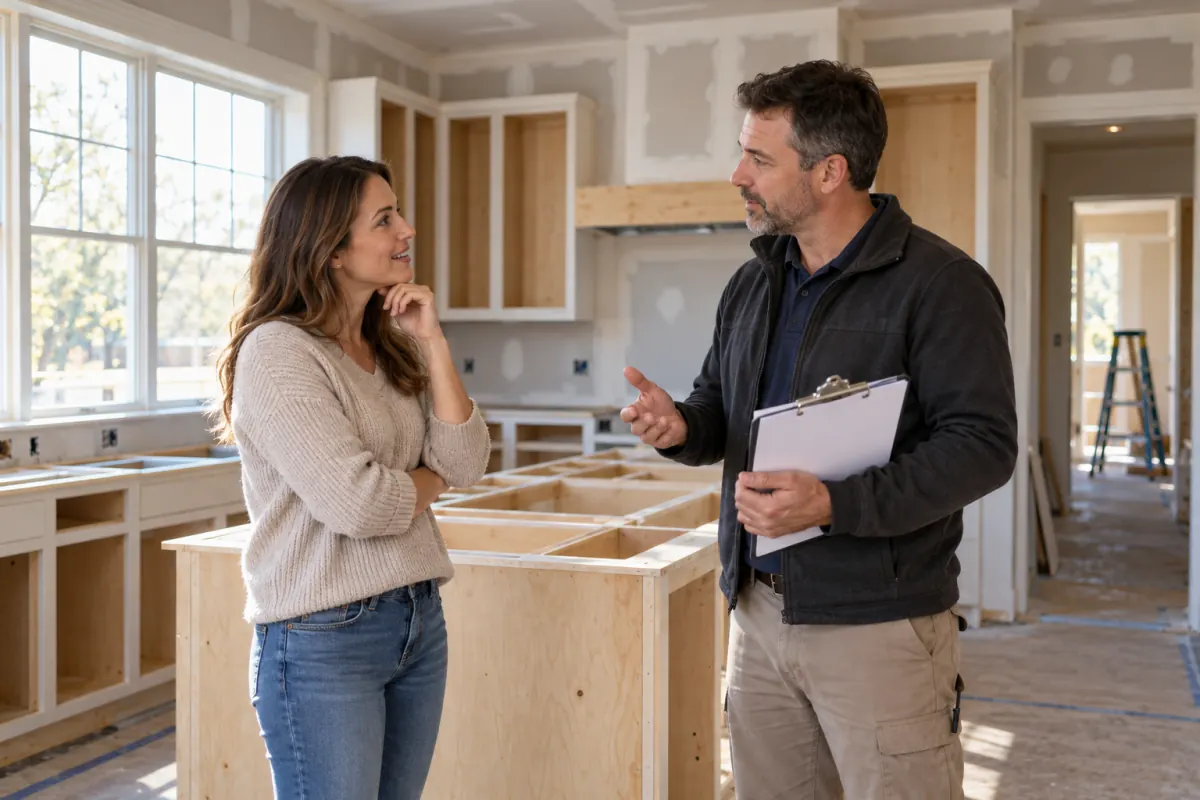
A passed inspection is useful evidence, but confirm the permit's final status too. Boston addresses this exact problem: when a final inspection was completed but the permit remains open, contact Inspectional Services with the permit number. If available, provide the inspection date, inspector's name, or a copy of the signed permit.
Use the same fact-finding approach with your own building department. Ask whether it can reconcile an existing approval or whether anything else is required. A contractor's invoice can help identify the project, but do not treat “paid in full” as the building department's sign-off.
For example, suppose you have a signed inspection card for a bathroom remodel, while the online record still says open. Send a copy and ask the department to confirm what it proves. Do not promise a buyer that the problem is only clerical until the office has checked it. If the card covers an earlier inspection rather than the final one, you may still need another appointment.
Once the record is corrected or the permit is closed, save the written confirmation and updated status record. Share those documents with the people handling your sale so they can confirm whether any other transaction requirements remain.
Build a permit file before choosing a sale plan
Request the property's permit and inspection history from the local building department. Ask how to search older records if the online portal does not cover the project dates. A blank search result is a reason to ask about the records, not proof that every improvement is approved.
For each open item, make a short working file with:
- Property address, permit number, project description, and named permit holder.
- Current status and the department's explanation of missing steps.
- Available inspection cards, approved plans, contractor records, and correspondence.
- Any written correction list and instructions for requesting the next inspection.
- The person responsible for each next action and any appointment date.
Ask whether related electrical, plumbing, or other records need a separate check. Let the department identify the records relevant to your property instead of assuming that closing one permit resolves everything.
You do not need to invent answers about work done by a previous owner. Separate what you know from what you are trying to verify. If you discover a discrepancy, record when you found it and ask a local real estate attorney or licensed professional how to describe it accurately in the sale paperwork.
Take time to compare your options
A free cash offer from Cha-Ching Co can give you another proposal to review. Local permit and closing requirements still apply.
Compare closing the permits first with selling as-is
If the missing step is straightforward, resolving it before the sale may give everyone a clearer starting point. Ask the department what inspection or documentation is needed. If physical corrections are required, get an appropriate contractor's written estimate before deciding what to do. Do not choose a repair budget from a generic online average.
If the work is unfinished or the scope is uncertain, discuss an as-is sale with your agent or closing attorney. An as-is contract should not be treated as permission to ignore local permit requirements. North Brunswick's certificate process illustrates why a private agreement and municipal approval are separate questions.
A cash buyer may be an option to compare, but cash does not close a permit or establish compliance. Ask exactly what the buyer proposes, what remains your responsibility, and whether the closing professional and building department accept the proposed arrangement. Do not rely on a verbal promise that the buyer will “handle everything.”
For the broader difference between repair negotiations and a direct sale, read our guide to selling a house as-is. Here, keep the decision tied to the permit file: what is missing, who can complete it, and whether the sale can legally close on the proposed terms.
Cha-Ching Co offers free, no-obligation cash offers for houses. You can request an offer while you investigate the permit record. Explain the unresolved items and confirm the proposed terms; requesting an offer is not a guarantee that a particular permit arrangement will be accepted.
Questions to settle before you sign
The Florida Bar's home-buying pamphlet includes responsibility for open or expired permits, and whether the seller must disclose them, among questions to discuss with a lawyer. The advice is written for Florida buyers; ask your own lawyer about the rules for your sale.
Bring the permit file to the person preparing or reviewing your contract. Rather than copying a clause from another sale, ask how the agreement should address your actual situation. Useful questions include:
- Must a permit or local sale certificate be completed before closing?
- Who will arrange access, inspections, and any required corrective work?
- How will the parties document completion and handle a failed inspection?
- What happens if the department cannot finish its review by the proposed date?
- Does the buyer's lender need additional information before funding?
- What must you disclose about the permits, and how should that be documented?
If someone proposes an escrow holdback or transferring responsibility after closing, have your attorney and closing professional check whether it is permitted and workable for this transaction. Do not assume either option is available. A contract provision cannot be relied on to waive a government requirement.
Keep the inspection contingency, repair responsibilities, and closing dates consistent with the plan you actually agree to. If the answer from the building department changes, tell the professionals handling the sale before signing an amendment or making a new promise.
What if you cannot afford the work?
You can pause and gather facts before agreeing to an expense. Ask the department to distinguish missing paperwork from physical corrections. Then ask a qualified contractor to price only the work the department says is needed. If the estimate is beyond your budget, discuss the available sale options with your attorney or agent.
There is no responsible way to promise a fixed cost, discount, or number of days without knowing the permit and local process. Compare actual written proposals. An offer with a higher headline price may still leave you with unresolved work or conditions you cannot meet.
Your next step is small: identify the open record and request its missing requirements. Once you have that answer, you can compare resolving it yourself with a carefully documented sale plan. You do not have to accept the first offer simply because the records are incomplete.
Ready to discuss an as-is sale?
Ask Cha-Ching Co for a free cash offer and share what you know about the permits. Review the terms at your own pace.
Disclaimer: This article is general information, not legal, tax, financial, construction, or real estate advice. Permit closure, seller disclosures, transfer requirements, and contract rules vary by location and property. Consult your local building department and an appropriate licensed professional about your specific sale.