That old car sitting in your driveway isn't just an eyesore. It's money. Whether your vehicle was totaled in an accident, failed its last inspection, or simply rusted into retirement, someone out there will pay you cash for it. The question is: how much, and where do you go to get the best deal?
If you're searching for cash for junk cars, you're in the right spot. This guide breaks down what your junk car is actually worth in 2026, the best places to sell it, and how to avoid getting lowballed or scammed in the process.
Got a House Sitting Around Too?
Cha-Ching Co helps you turn unused assets into cash - houses, cars, gold, and more.
How much is your junk car worth in 2026?
The honest answer: it depends. Most junk cars sell for somewhere between $200 and $1,500. The national average payout sits around $500, though trucks, SUVs, and newer models can bring in more.
Here's a rough breakdown by vehicle type:
- Compact cars (Honda Civic, Toyota Corolla): $300 - $600
- Mid-size sedans (Camry, Accord, Altima): $400 - $800
- Full-size trucks (F-150, Silverado, Ram): $500 - $1,200
- SUVs (Explorer, 4Runner, Tahoe): $450 - $950
- Luxury vehicles (BMW, Mercedes, Lexus): $600 - $1,500
These ranges assume the vehicle is non-running or has major mechanical problems. If your car still drives, you might get 30 to 50 percent more than pure scrap value.
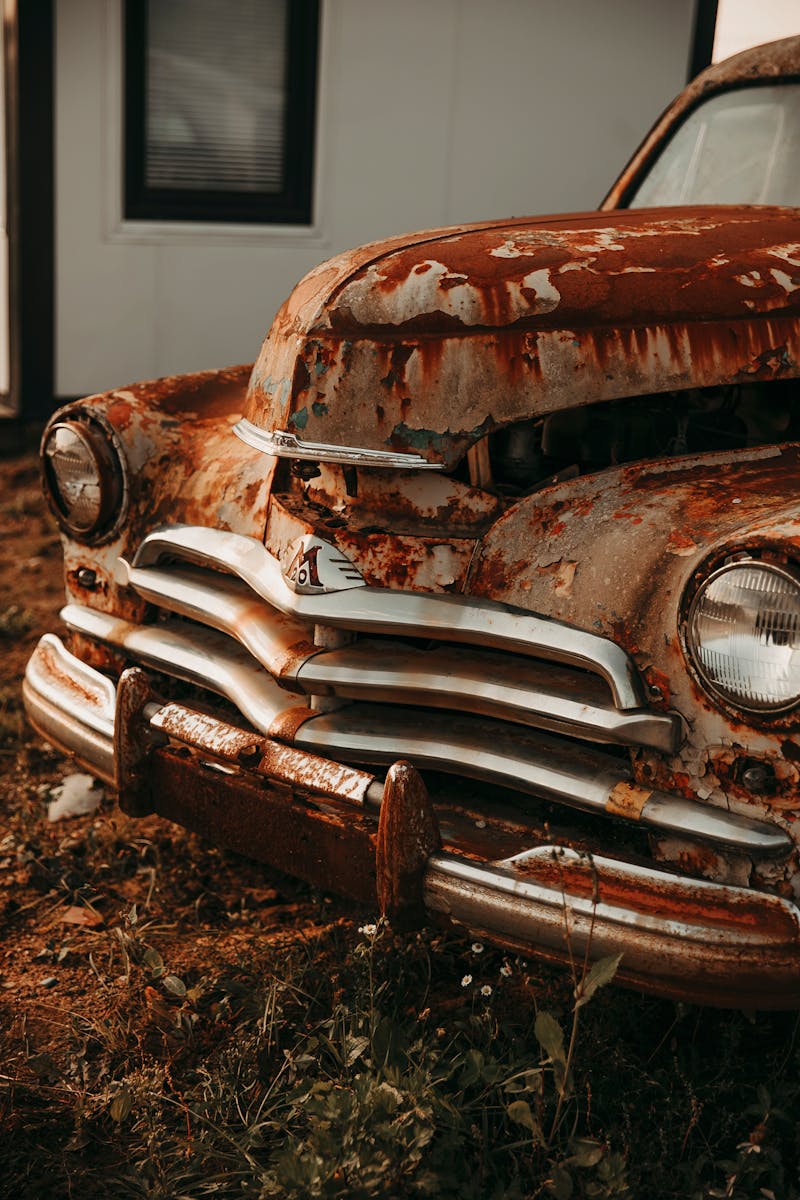
What determines your cash for junk cars offer?
Not every junk car is worth the same amount. Here are the main factors that buyers look at when making an offer:
1. Weight and scrap metal prices
At its most basic level, a junk car is worth whatever the metal inside it can be sold for. Steel is currently trading around $180 to $220 per ton, and a typical car weighs about 1.5 tons. That puts the floor value of most vehicles at $270 to $330 in raw scrap, before anything else gets factored in.
Aluminum and copper in the vehicle add more. Copper wiring and aluminum components can add $50 to $100 to the total, depending on how the buyer processes them.
2. Make, model, and year
Popular models are worth more as junk because their parts are in demand. A 2015 Honda Civic has replacement parts that thousands of people need. A 2003 Pontiac Aztek? Not so much. Trucks generally command the highest junk prices because of their weight, towing demand, and parts market.
3. Condition and what still works
A car that runs and drives is worth significantly more than one that doesn't. Even if you consider it "junk," a running vehicle opens up the resale and export market, not just the scrapyard. If your car has a blown engine but the transmission, alternator, and other parts are good, that adds value too.
4. High-value parts
Some individual components can be worth more than you'd expect:
- Catalytic converters: $50 - $1,500 (the precious metals inside are valuable)
- Airbag modules: $200 - $800
- GPS and infotainment systems: $100 - $400
- Alloy wheels: $50 - $200 each
If your catalytic converter is still intact, make sure the buyer is factoring that into their offer. Catalytic converter theft has made these parts especially valuable in recent years.
5. Your location
Where you live affects your offer. The Northeast (New York, New Jersey, Connecticut) and West Coast (California, Washington) tend to pay 10 to 25 percent above the national average. Mountain states like Montana and Wyoming often pay 20 to 30 percent less, simply because there are fewer buyers competing for your vehicle.
Where to sell your junk car for the most cash
You have several options, and each one has tradeoffs. Here's what to know about the main routes:
Local junkyards and scrapyards
This is the traditional option. You call the local yard, they give you a quote (usually based on weight), and either you tow the car there or they send a truck. Payouts tend to be on the lower end - often just scrap value - but the transaction is fast. You can usually have cash in hand the same day.
The downside: many local yards won't negotiate much, and some charge towing fees that eat into your payout.
Online junk car buyers
Companies like Peddle, CarBrain, and Junk Car Medics operate nationally. You enter your car's details online, get an instant quote, and schedule a pickup. These buyers often pay more than local yards because they have larger networks to resell parts and vehicles.
Typical offers from online buyers range from $300 to $2,500, and most include free towing. The process usually takes 24 to 48 hours from quote to pickup.
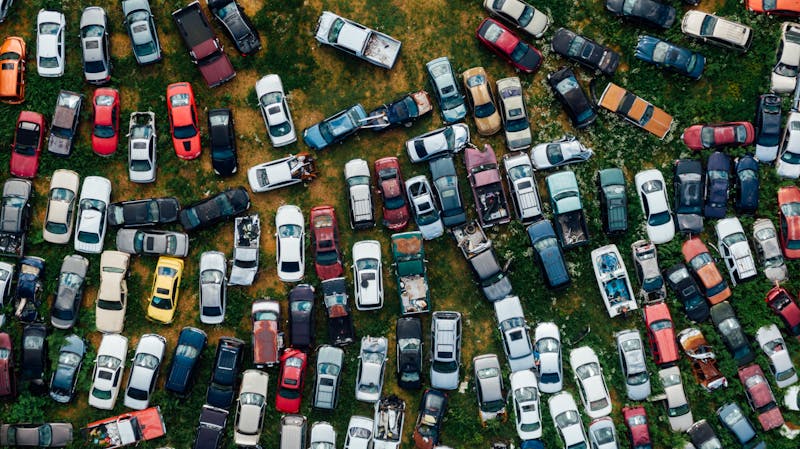
Pull-a-part and self-service yards
These yards buy your car, park it in their lot, and let customers come pull parts off it. Because they profit from selling individual parts over time, they sometimes pay slightly better than pure scrap yards. It's worth calling a few in your area for comparison.
Private sale
If your car still runs or is a popular model, listing it on Facebook Marketplace or Craigslist might net you more than any junkyard would offer. Mechanics, hobbyists, and part-out specialists regularly shop these platforms.
The tradeoff is time. You might wait days or weeks for the right buyer, and you'll deal with no-shows and lowball offers along the way. If you need cash fast, this usually isn't the best route.
Donation
Donating your junk car to a charity gives you a tax deduction rather than cash. If your car is worth less than $500 as junk, the tax write-off might actually put more money back in your pocket at the end of the year, depending on your tax bracket. Organizations like Habitat for Humanity and the American Cancer Society accept vehicle donations.
Turn Any Asset Into Cash
Cars, houses, gold - Cha-Ching Co finds the best cash offers so you don't have to.
Cash for junk cars: step-by-step process
Selling a junk car is straightforward once you know the steps. Here's the process from start to finish:
Step 1: Gather your paperwork
You'll need your vehicle title in most states. The title proves you own the car and have the right to sell it. If you've lost your title, you can request a duplicate from your state's DMV - this usually costs $15 to $30 and takes a few days to a couple of weeks.
Some states allow you to sell a junk car without a title if it's below a certain age or value, but having the title makes everything easier and usually gets you a better offer.
Step 2: Remove personal belongings and plates
Check every compartment - glove box, trunk, under seats, door pockets. People leave everything from sunglasses to important documents in their cars. Also remove your license plates, since most states require you to return them or transfer them to your next vehicle.
Step 3: Get multiple quotes
This is where most people leave money on the table. Call at least three to five buyers before accepting an offer. Get quotes from a mix of local yards and online buyers. Prices can vary by hundreds of dollars for the same vehicle, so a few extra phone calls can pay off significantly.
Step 4: Check what's included
Always ask whether the quoted price includes free towing. Some buyers advertise a high price, then subtract $50 to $100 for pickup. Make sure you're comparing apples to apples.
Step 5: Complete the sale
When the buyer picks up your car, sign over the title, get your payment (cash or check - avoid anything that requires waiting), and keep a copy of the bill of sale. Notify your state's DMV that you've sold the vehicle so you're not liable for anything that happens with it after the sale.
How to avoid junk car scams
The junk car business has its share of bad actors. Watch out for these red flags:
- Quotes that sound too good: If someone offers you $3,000 for a rusted-out 2005 sedan, something's off. They'll likely lower the price at pickup, claiming "it's in worse shape than described."
- Upfront fees: Legitimate buyers never charge you to buy your car. If someone asks for a "processing fee" or "towing deposit," walk away.
- No paperwork: Real buyers handle the title transfer properly. If a buyer doesn't want to sign a bill of sale or doesn't care about the title, you could be left legally responsible for a vehicle you no longer have.
- High-pressure tactics: "This offer is only good for the next hour" is a classic line. Legitimate buyers give you time to decide because they know their offer is fair.
Before selling, verify that the buyer has a valid salvage or dealer license. You can usually check this through your state's DMV website. Ask for proof of insurance, too. A quick search for reviews or BBB complaints can also save you headaches.
Best time to sell your junk car for cash
Timing matters more than most people realize. Scrap metal prices fluctuate throughout the year, and that directly affects what buyers will offer you.
The best months to sell are typically March through May and September through November. During these periods, demand for both scrap metal and used auto parts tends to peak. Summer and the holiday season are usually slower.
That said, if your car is costing you money right now - insurance, registration, HOA fines for having a non-running vehicle in your driveway - waiting for the "perfect" time might cost more than it saves.
Cash for junk cars FAQ
Can I sell a junk car without a title?
In many states, yes, but your options will be limited and you'll typically receive a lower offer. Some states like New York allow junk car sales without a title for vehicles over a certain age. Check your state's specific rules, or request a duplicate title from your DMV before selling.
Do I need to fix anything before selling?
No. The whole point of selling to a junk car buyer is that you don't have to spend money on repairs. In fact, fixing a junk car rarely makes financial sense - you'd spend more on repairs than the increase in sale price.
How fast can I get paid?
Most junk car transactions are completed within 24 to 72 hours. Local yards can sometimes do same-day pickup and payment. Online buyers typically schedule pickup within one to two business days.
Is the money from selling a junk car taxable?
If you sell your personal vehicle for less than you originally paid for it (which is almost always the case with junk cars), the sale isn't taxable because there's no gain. However, the IRS requires documentation for sales over $500. Keep your bill of sale and title transfer records.
Get cash for what you're not using
A junk car loses value every day it sits. Metal rusts, parts degrade, and scrap prices fluctuate. The best time to sell is almost always now rather than later.
Start by getting a few quotes, compare your options, and pick the buyer who offers the best combination of price and convenience. Whether your car is worth $200 or $2,000, that's money sitting in your driveway instead of your wallet.
And if you've got other assets collecting dust - a house you need to sell quickly or gold you want to turn into cash - the same principle applies. Find the right buyer, get multiple offers, and don't settle for the first number you hear.
Ready to Turn Assets Into Cash?
Cha-Ching Co gives you free, no-obligation cash offers on houses, cars, gold, and more.
Disclaimer: This article is for informational purposes only and does not constitute financial or legal advice. Junk car values vary based on location, market conditions, and individual vehicle characteristics. Always get multiple quotes and verify buyer credentials before completing a sale. Cha-Ching Co is not a junk car buyer - we connect you with trusted cash buyers for houses and other assets.