How to Sell House As Is: What Buyers Look For and What to Expect
Deciding to sell house as is can feel like a relief and a worry at the same time. The relief comes from knowing you won't spend months managing contractors or draining savings on repairs you may never fully recoup. The worry often comes from uncertainty - what will buyers actually offer, what do you still have to disclose, and is this really the right path for your situation? This guide walks you through the whole picture so you can make a clear-eyed decision.
Ready to Skip the Repairs?
Cha-Ching Co buys houses as is - no repairs, no commissions, no surprises. Get a no-obligation cash offer today.
What Does It Mean to Sell a House As Is?
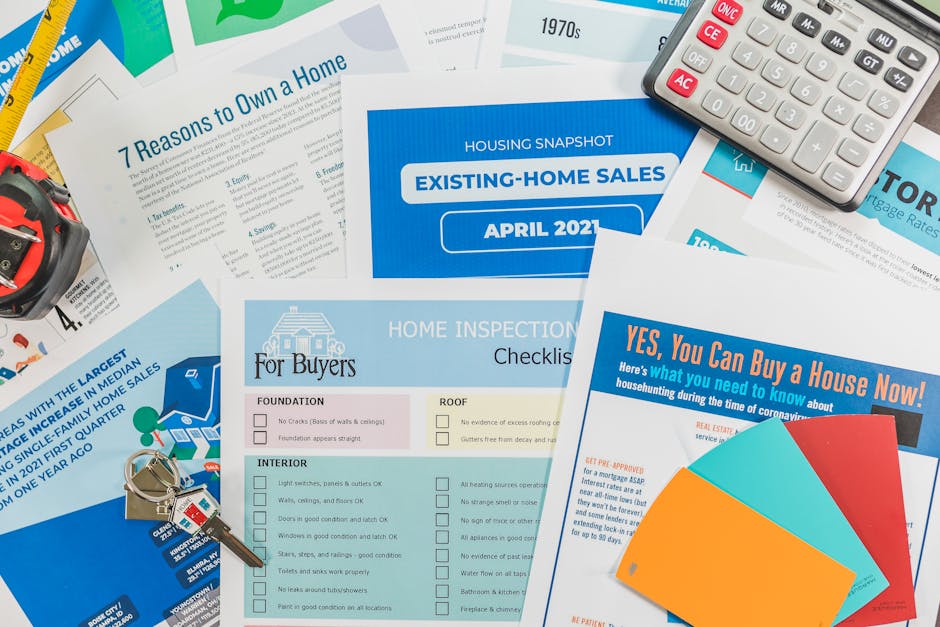
When you list a property as is, you are telling buyers upfront that you will not make repairs or provide credits for defects - what they see is what they get. The term is a legal and marketing signal, not a magic shield. You are not absolved of disclosure requirements just because you use it.
In most states, sellers are still legally required to disclose known material defects. That typically includes things like a leaking roof, foundation cracks, water intrusion history, mold, pest infestations, or major electrical or plumbing problems you are aware of. What as-is means in practice is that after those disclosures, you are not agreeing to fix anything. The buyer accepts the condition and prices their offer accordingly.
This is a meaningful distinction. Selling as is does not mean hiding problems. It means you have disclosed what you know, and you are not entering into a repair negotiation.
Who Buys Houses As Is - and Why They Do It
Several types of buyers actively seek as-is properties. Understanding each one helps you know what kind of offer to expect and how fast a deal can close.
Cash investors and house flippers are the most active as-is buyers. They assess your home based on its after-repair value (ARV), subtract their estimated repair costs and profit margin, and make an offer. These deals often close in two to three weeks because there is no mortgage approval process and inspections are typically for informational purposes only, not for renegotiation.
Cash home buying companies - sometimes called we buy houses companies or direct buyers - operate similarly. They make quick offers, skip the agent process, and buy in any condition. Cha-Ching Co falls into this category. The benefit is speed and certainty; the trade-off is that offers typically come in below what a fully renovated home would sell for on the open market.
iBuyers like Opendoor use automated valuation models to make fast cash offers. They tend to buy in better condition than a typical flipper would accept, and their fees can be comparable to traditional agent commissions - sometimes higher. They may also request repair credits after an inspection even on as-is listings.
Owner-occupant buyers sometimes pursue as-is homes too, especially in competitive markets or when they specifically want a fixer-upper. These buyers will almost always use a mortgage, which means the property needs to meet minimum lender standards - a requirement that can complicate deals on homes with significant structural or habitability issues.
For more on how the direct buyer process works, see our breakdown: What Really Happens When You Sell to a We Buy Houses Company.

What to Expect When You Sell House As Is
There are a few realities worth understanding before you go in.
Price discount. Selling as is almost always means accepting less than you would get after making repairs. The gap varies widely depending on the condition of the home and the local market. A home that needs cosmetic work - fresh paint, carpet, landscaping - might sell for 5-10% below a move-in-ready comparable. A home with serious structural or systems issues could see a much larger gap. Cash buyers price in their repair costs, holding costs, and profit - all of which come out of their offer.
Speed. This is often where as-is sales win. A direct cash sale can close in as little as 7-14 days. A traditional sale, even on a good property, typically takes 30-60 days from listing to close, and that assumes no inspection negotiations, no financing delays, and no last-minute issues.
Certainty. Traditional deals fall apart more often than people expect - financing falls through, inspection reports trigger renegotiation, buyers get cold feet. A cash as-is sale, once agreed upon, has far fewer ways to unravel.
Disclosure still applies. Even if you are selling as is and even if you have not lived in the home recently (inherited properties, for example), you are generally required to disclose anything you know about the property's condition. An attorney or local real estate professional can clarify your state's specific disclosure laws.
No Repairs. No Showings. No Waiting.
Cha-Ching Co makes it simple - get a fair cash offer on your home in any condition, on your timeline.
Sell House As Is vs. Making Repairs: Which Makes Financial Sense?
This is the question most sellers wrestle with, and the honest answer is: it depends on your specific numbers.
The common assumption is that spending money on repairs always produces a better net price. That is not always true. Renovation costs are unpredictable - what starts as a $15,000 kitchen update can expand when contractors find issues behind the walls. You also carry holding costs (mortgage payments, taxes, insurance, utilities) during any renovation period. And the final sale price is never guaranteed.
A cleaner way to think about it: get a cash as-is offer first. Then get a rough estimate of what repairs would cost and what a repaired home might sell for. Compare the net proceeds after accounting for agent commissions (typically 5-6%), repair costs, and extra time carrying the property. Sometimes the cash offer is closer than you expect. Sometimes it is not - and making targeted improvements does pencil out.
The repairs most likely to pay off are ones buyers can see immediately: fresh paint, cleaned carpets, updated fixtures, landscaping. Major systems - roofs, HVAC, plumbing, foundations - are expensive and often produce less than dollar-for-dollar return in sale price.
If you are facing a time constraint, a job relocation, a divorce, or an inherited property you do not want to manage, the math often shifts in favor of as-is. The cost of waiting and managing a renovation from a distance can easily exceed the price difference.
For sellers dealing with an inherited property or other complex title situations, our guide on How to Sell a House Fast covers more scenarios where speed matters most.
How to Get the Best Deal When Selling As Is
Selling as is does not mean you have to accept the first offer you receive. A few straightforward steps can help you get a fair deal.
Get multiple offers. Contact at least two or three buyers - a direct cash buyer, a local investor or two, and possibly an iBuyer if your market has them. Comparing offers takes a few days but can meaningfully improve your outcome.
Know your bottom line before you start. Figure out the minimum you need from the sale - what it takes to pay off the mortgage, cover closing costs, and leave you in a workable position financially. That number anchors your negotiation and helps you evaluate offers without emotion.
Understand the full terms, not just the price. A higher offer with a 45-day close and multiple contingencies may net you less - and more stress - than a slightly lower offer that closes in two weeks with no conditions. Ask about earnest money, inspection terms, and who pays closing costs.
Be upfront about what you know. Trying to conceal known defects in an as-is sale can backfire badly - both legally and practically. Buyers will inspect anyway, and discovering a hidden problem after contract signing often leads to renegotiation or cancellation at the worst possible moment. Transparency upfront keeps deals from falling apart.
Work with reputable buyers. Check reviews, ask for proof of funds, and avoid anyone who asks for upfront fees or pressures you to sign quickly before you have had time to review terms. Legitimate cash buyers are happy to give you time to review their offer.
See What Your Home Is Worth As Is
Cha-Ching Co provides honest, no-pressure cash offers with no repairs required and no agent fees. Find out what you could walk away with.
Is Selling As Is Right for You?
Selling as is is not the right answer for everyone, but it is the right answer for a lot of people in specific situations - and those people deserve clear information, not pressure.
If you are dealing with a property that needs significant work and you do not have the capital, time, or desire to manage repairs, selling as is to a cash buyer is a legitimate and often smart path. You trade some of the top-line price for certainty, speed, and simplicity.
If you have time, budget, and a market that rewards updated homes, making targeted repairs before listing may improve your net proceeds. The key is running the actual numbers rather than assuming one path is always better.
Either way, start by understanding your options. Get a cash offer. Talk to an agent if you want a market comparison. Make the decision based on your real situation, not on pressure from any direction.
Disclaimer: Cha-Ching Co is a cash home buying service. We are not licensed real estate agents or financial advisors. Information provided is for educational purposes only. Please consult a licensed professional before making major financial decisions.