If you are looking for cash for gold coins, slow down long enough to know what you have. A gold coin can be priced like bullion, like a collectible, or sometimes both. The right buyer should explain the math clearly, put the offer in writing, and give you room to compare before you say yes.
That matters because coin sellers are often dealing with more than a simple transaction. Maybe you inherited a small collection. Maybe you need money for a bill. Maybe you found coins in a safe and do not know whether they are common bullion or something a collector would pay extra for. The goal is not to become a coin dealer overnight. The goal is to avoid a rushed decision that leaves money on the table.
Want a simple cash offer to compare?
Cha-Ching Co helps sellers compare options for gold, cars, houses, and other valuables without pressure.
Cash for gold coins starts with knowing the type of coin
The first question is simple: is your coin mainly valuable for its gold content, or does it have collector value too?
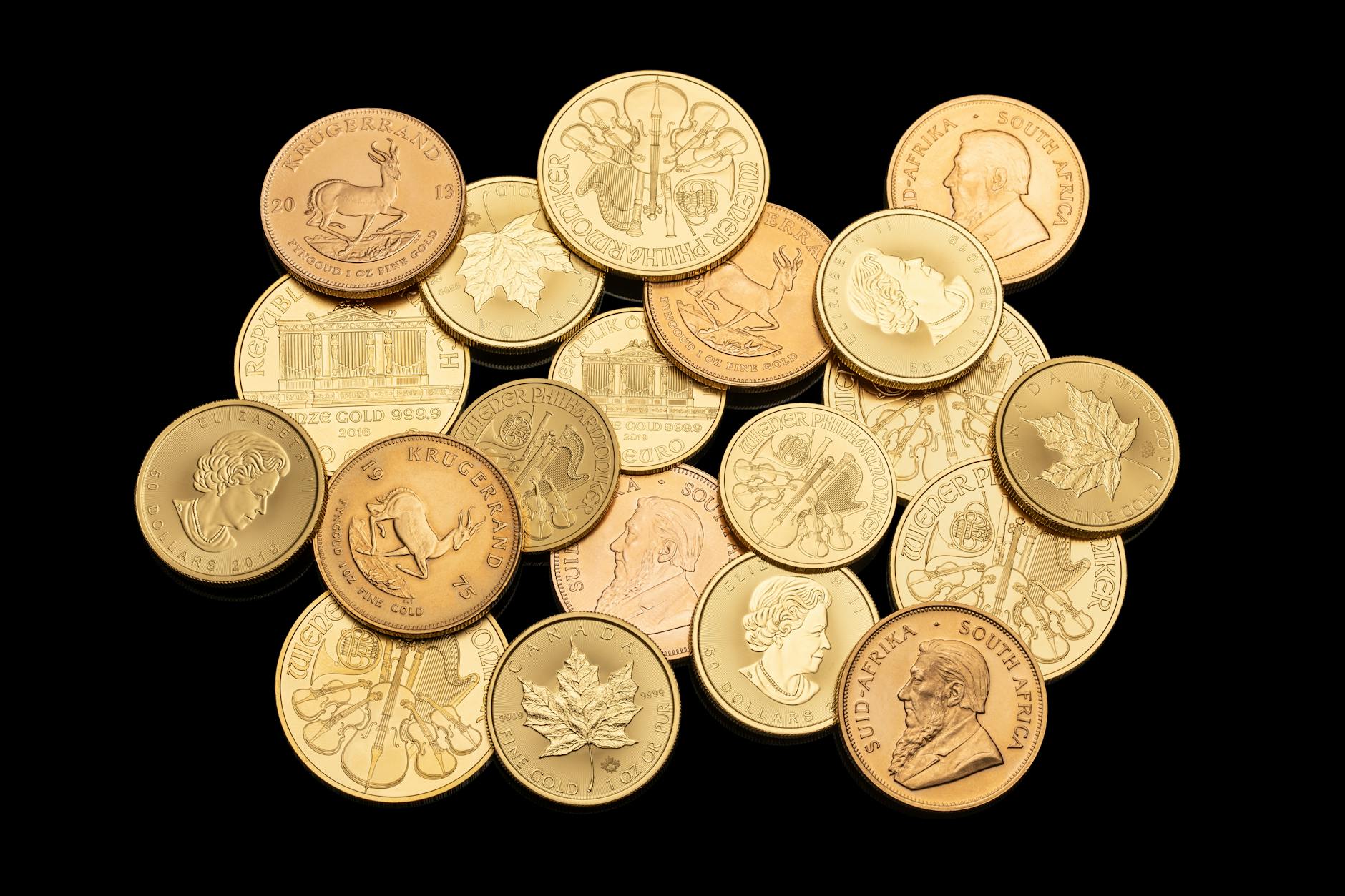
Bullion coins are usually valued close to the market price of gold. Common examples include American Gold Eagles, American Gold Buffaloes, Canadian Gold Maple Leafs, South African Krugerrands, and Austrian Philharmonics. A standard one-ounce bullion coin contains a known amount of gold, so buyers can calculate a baseline value quickly.
Collectible or numismatic coins are different. Older U.S. gold coins, rare dates, low-mintage coins, proof coins, and coins in unusually strong condition can be worth more than melt value. A buyer should not treat those like generic scrap. If you suspect collector value, look up the coin by date, mint mark, and condition before accepting a cash offer.
There is also a middle ground. Some coins carry small premiums above gold value because they are recognizable and easy to resell. Others may look special but trade close to melt because collectors do not pay much extra for that date or condition. This is why one quick quote is not enough.
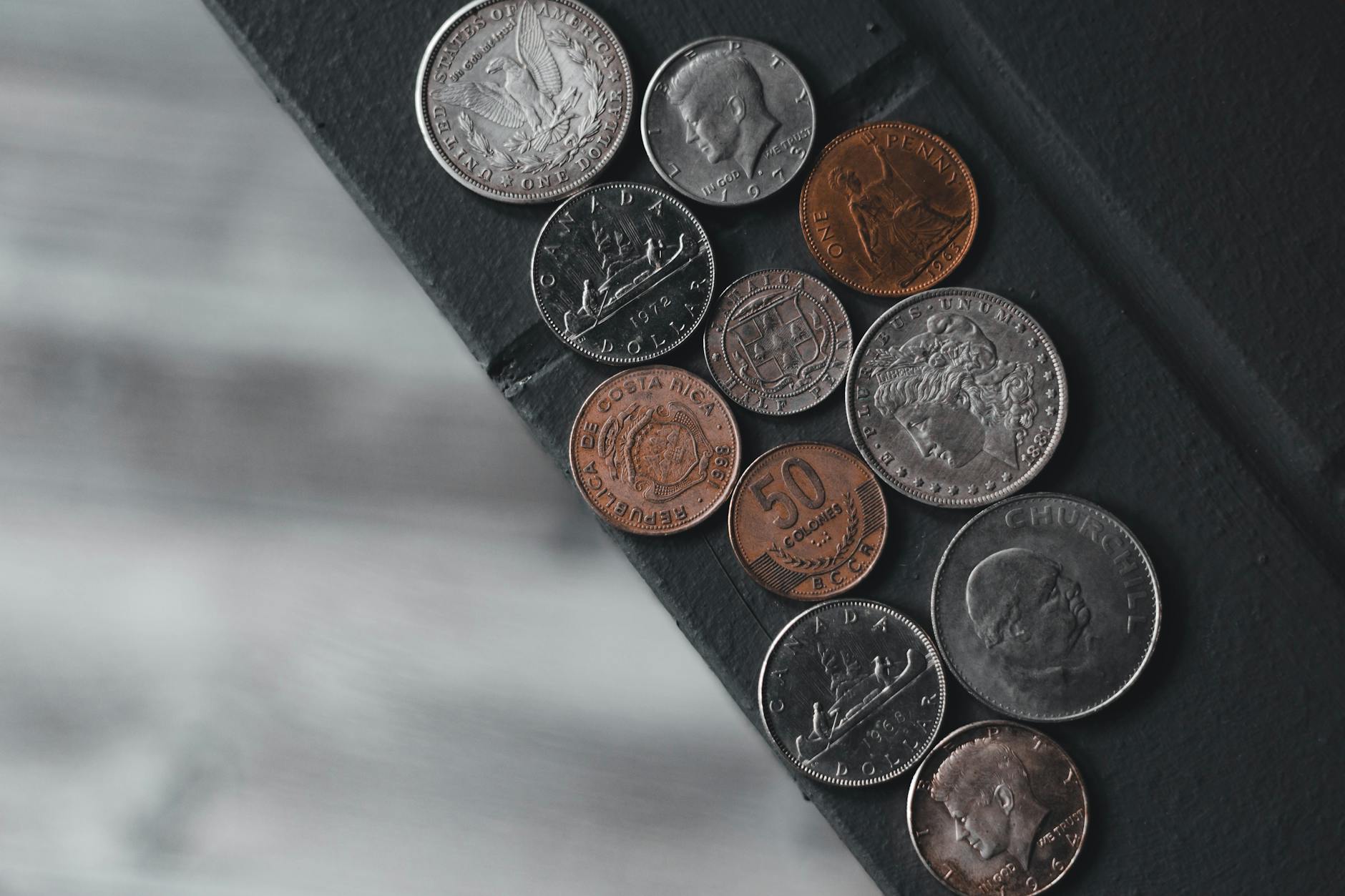
Cash for gold coins: how buyers calculate an offer
A fair offer usually starts with melt value. Melt value is the estimated worth of the actual gold inside the coin. The rough formula is:
Gold content x current spot price = melt value
For bullion coins, the gold content is usually published by the mint. A one-ounce American Gold Eagle is 22-karat gold, but it is guaranteed to contain one full troy ounce of pure gold. A one-ounce Canadian Maple Leaf is 24-karat gold and also contains about one troy ounce of pure gold. Both can be valued against the live spot price of gold, then adjusted for the buyer's margin.
Dealers do not usually pay the full retail value because they need room for resale, testing, hedging price movement, and operating costs. That margin can be reasonable. What you want to avoid is an offer so far below melt value that convenience becomes expensive.
Before you ask for quotes, check a live gold spot price from a market source, write down each coin's type and size, and photograph both sides. If a coin is in a certified holder from PCGS or NGC, photograph the label too. Those details make it easier to compare offers apples to apples.
Where to get cash for gold coins
You have several routes. None is perfect for every seller, so match the buyer to the coin and your timeline.
Local coin shops
A reputable local coin shop is often a good first stop. You can watch the buyer inspect the coins, ask how the offer was calculated, and leave with the coins if the number does not feel right. Local shops may pay a little less than a high-volume online dealer, but the transparency and same-day payment can be worth it.
Online precious metal dealers
Large online dealers may pay strong prices for common bullion coins because they already have buyers and trading systems in place. The trade-off is shipping. If you mail coins, use tracked and insured shipping, keep photos, and understand what happens if you decline the offer. Do not send valuable coins through a vague mail-in process.
Pawn shops and general gold buyers
Pawn shops can pay fast, but they are often not the best place for specialized coins. They may price the coin like scrap gold instead of recognizing bullion premiums or collector value. If speed matters, get the pawn offer in writing and compare it against at least one coin dealer. Cha-Ching Co has a separate guide on pawn shops vs. gold buyers that explains the trade-off in more detail.
Auction houses or coin shows
If you have rare or certified coins, auction houses and coin shows can expose the coins to collectors instead of scrap buyers. This path takes longer and fees matter, but it can make sense for coins worth far more than their gold content.
Compare before you commit
A free cash offer from Cha-Ching Co gives you another number to compare before selling your valuables.
How to compare cash for gold coins offers
Do not compare only the headline number. Compare the full deal.
Ask each buyer these questions:
- What spot price are you using today?
- How did you identify the coin and its gold content?
- Are you paying for bullion value only, or is there any collector premium?
- What percentage of melt value does this offer represent?
- Are there testing, shipping, insurance, or return fees?
- How and when will payment be made?
A good buyer should be able to answer plainly. You do not need a lecture. You need enough detail to understand whether the offer is fair.
For common bullion, compare the offer against melt value and other dealer quotes. For collectible coins, compare against recent auction results, price guides, and specialist opinions. If you are unsure, paying for a professional appraisal can be cheaper than selling a rare coin too low.
If your coins are part of a broader gold sale, read Cha-Ching Co's guide on how to sell gold online for the best price. It covers shipping, melt value, and online buyer policies in more detail.
Red flags before you accept cash for gold coins
Most bad gold sales have the same warning signs. The buyer wants you to decide fast, avoids explaining the math, or makes the process hard to reverse.
Be careful if a buyer:
- Pressures you to accept immediately.
- Will not weigh or identify coins in front of you.
- Refuses to explain the spot price or melt value calculation.
- Treats certified or older coins like generic scrap without checking details.
- Offers far below melt value for common bullion.
- Asks you to ship coins without full tracking and insurance.
- Uses confusing paperwork or will not provide a receipt.
Government agencies such as the CFTC have warned consumers about precious metals fraud, especially when dealers misrepresent coin value or hide costs. That warning applies on the selling side too. If the buyer will not slow down and explain the offer, walk away with the coins.
Taxes and records when you sell gold coins
Gold coins can have tax consequences. In the United States, precious metal coins are generally treated as collectibles for capital gains purposes. If you sell for more than your cost basis, you may owe tax on the gain. If you inherited the coins, your basis may be tied to the value at the date of inheritance, but you should confirm that with a tax professional.
Keep basic records: what you sold, when you sold it, who bought it, how much you were paid, and any paperwork showing your original purchase price or inherited value. For larger transactions, dealers may have reporting requirements. That does not automatically mean you did anything wrong. It means you should keep clean records and ask a qualified tax advisor if the sale is significant.
A simple checklist before selling gold coins for cash
Before you accept an offer, run through this checklist:
- Identify each coin by type, year, mint mark, and size.
- Check today's gold spot price.
- Separate bullion coins from coins that may be collectible.
- Photograph both sides and any certification labels.
- Get at least two or three offers when practical.
- Ask for the offer calculation in plain English.
- Use insured shipping if selling online.
- Keep receipts and payment records.
The best sale is the one you understand. If a buyer's number makes sense and fits your timeline, selling can be straightforward. If the process feels rushed or unclear, pause and compare another option.
Ready to see what your valuables could bring?
Cha-Ching Co can help you get a free cash offer so you can compare your options with confidence.
Disclaimer: This article is for general informational purposes only and is not financial, tax, legal, or appraisal advice. Gold prices, buyer policies, and tax rules can change. Always verify current pricing, compare offers, and consult a qualified professional before making a major sale.