If you are looking for cash for scrap gold, the number that matters is not the original retail price. It is the gold content inside the item, minus the buyer's refining cost and profit margin. That can feel frustrating when you have broken chains, single earrings, dental gold, class rings, damaged bracelets, or old pieces that once cost far more at a jewelry counter. The good news: once you understand karat, weight, and spot price, you can spot a weak offer quickly.
Want a Straight Cash Offer?
Cha-Ching Co helps sellers compare a free cash offer without pressure or repair headaches.
Scrap gold is usually bought for melt value, not style. A buyer cares about how much pure gold is recoverable after testing, separating, and refining the piece. A vintage necklace might have design value if it is collectible, but a broken 10K chain is usually priced as metal. That difference matters because the best place to sell a finished jewelry piece may not be the same as the best place to sell scrap.
This guide walks through how scrap gold buyers think, how to estimate your own value before you walk in, and how to compare offers without getting rushed into the first number someone puts on the counter.
Cash for Scrap Gold Starts With Karat and Weight
Gold jewelry is usually mixed with other metals because pure 24K gold is soft. Karat tells you how much of the item is actually gold. A 10K piece is 10 parts gold out of 24. A 14K piece is 14 parts gold out of 24. An 18K piece is 18 parts gold out of 24.
Here is the simple way to think about purity:
- 10K gold: about 41.7% pure gold
- 14K gold: about 58.3% pure gold
- 18K gold: about 75% pure gold
- 22K gold: about 91.7% pure gold
- 24K gold: nearly pure gold
That is why two pieces with the same weight can get very different offers. A 20-gram 18K bracelet contains far more gold than a 20-gram 10K bracelet. Before you sell, sort your items by karat stamp if you can. Look for marks like 10K, 14K, 18K, 417, 585, or 750. The three-digit numbers are another way to show purity: 585 means 58.5% gold, which is close to 14K.
Do not panic if a piece has no visible stamp. Older jewelry, worn rings, repaired items, and some imported pieces may need testing. A serious buyer should be able to explain how they test it, whether by acid test, electronic tester, XRF analyzer, or assay for larger lots.
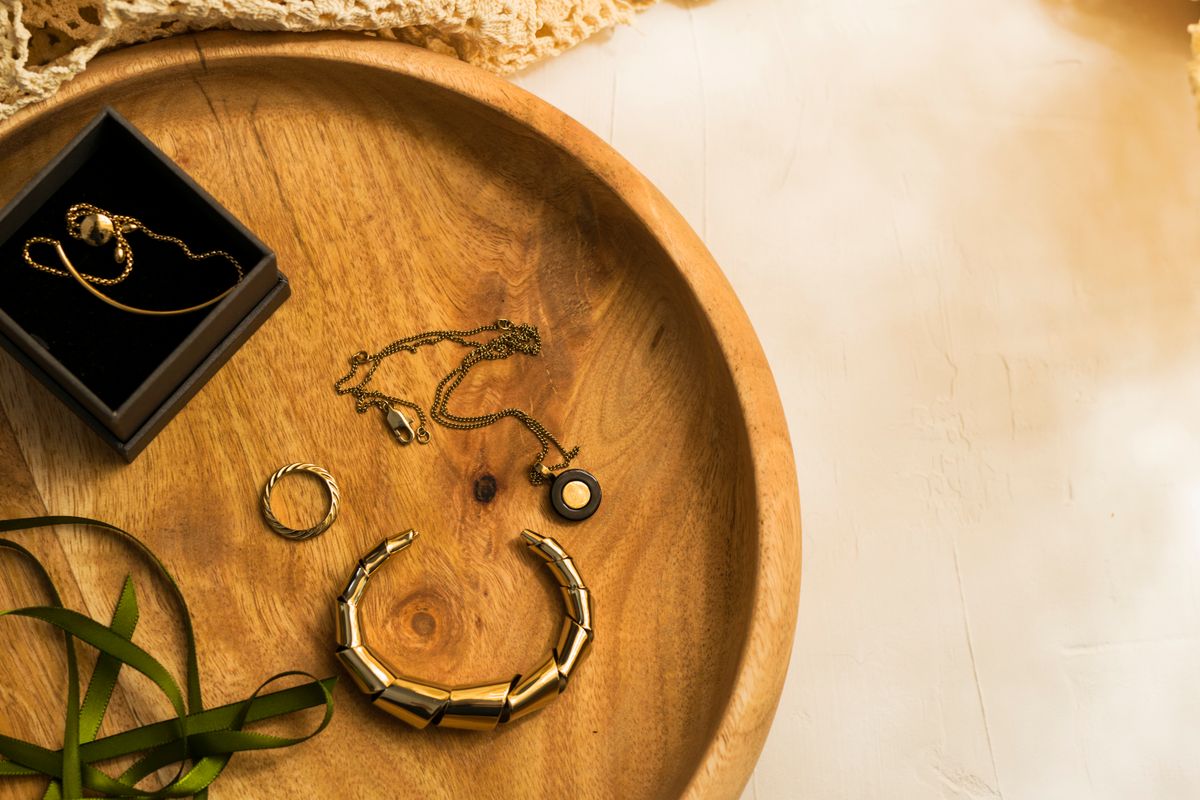
How Buyers Calculate Cash for Scrap Gold
The basic math is simple: weight times purity times current spot price. The final offer is lower because the buyer still has to cover testing, processing, refining, market risk, and profit. That does not make every below-spot offer unfair. It does mean you should know the melt value before agreeing to sell.
For example, suppose you have 20 grams of 14K gold. Since 14K is about 58.3% pure, the item contains about 11.66 grams of pure gold before any deductions. A buyer then compares that pure gold content against the current market price. From there, the offer may be a percentage of melt value.
A fair percentage depends on the item, total weight, buyer type, and whether stones, non-gold parts, or extra labor are involved. Small lots often receive lower percentages than larger lots because processing costs take a bigger bite. Clean, sorted gold can be easier to price than tangled mixed-karat jewelry. Dental gold may need more testing because it can include mixed metals.
Before you accept an offer, ask the buyer to show you:
- The weight they used
- The karat or purity they assigned
- The spot price basis
- The payout percentage or deduction
- Any fees, shipping costs, or refining charges
If the buyer cannot explain the number, that is a problem. You do not need to be a precious metals expert, but you should be able to follow the math.
Where to Get Cash for Scrap Gold
You have several selling options. Each one has tradeoffs.
Local gold buyers and coin shops can be useful when you want face-to-face testing and same-day payment. The better shops will weigh items in front of you, separate karats, and explain deductions. The weaker shops give a single blended offer and hope you do not ask questions.
Jewelry stores may buy scrap gold, especially if they already handle repairs, custom work, or estate jewelry. Some stores pay well for pieces they can resell as jewelry, but others mainly buy for melt.
Pawn shops are convenient, but the offer may be lower because pawn shops need room for resale risk and negotiation. They can still be worth checking if you need a quick local benchmark.
Online gold buyers can work if they provide insured shipping, clear terms, and a no-obligation return option. Read the fine print before mailing anything. Know who pays for return shipping if you reject the offer.
Refiners can be strong for larger lots, but many are built for jewelers, dentists, or repeat business sellers rather than one-time household sellers.
If you are still comparing selling routes, Cha-Ching Co's guide on where to sell gold breaks down the main buyer types in more detail. If you want to estimate value first, start with how much your gold is worth before asking for offers.
Compare Before You Commit
Get a free cash offer from Cha-Ching Co and use it as a simple benchmark before deciding what to do next.
How to Prepare Scrap Gold Before Selling
A little prep can make offers easier to compare. Start by separating obvious gold from costume jewelry. Then sort by karat stamp. Put 10K, 14K, 18K, and unknown pieces into separate bags or envelopes. If you have receipts, appraisals, brand information, or gem reports, bring them, but understand that many scrap buyers focus on metal value.
Remove anything that is clearly not part of the gold item, such as loose packaging or display boxes. Do not remove stones yourself unless you know what you are doing. You can damage the piece or lose small stones. Instead, ask whether stones are included in the offer, returned to you, or ignored for melt pricing.
Take clear photos before mailing items. Photograph the full lot, close-ups of stamps, and packaging. If you ship, use tracking and insurance. For higher-value lots, do not use a casual envelope or an uninsured label just because it is faster.
Cash for Scrap Gold Mistakes That Cost Sellers Money
The biggest mistake is selling without knowing a rough melt value. You do not need perfect precision. You do need enough information to know whether an offer is in the right range.
Another mistake is letting different karats get blended into one price. If a buyer weighs 10K and 18K together and gives one average number, you may not be getting credit for the higher-purity items. Ask for a separated quote.
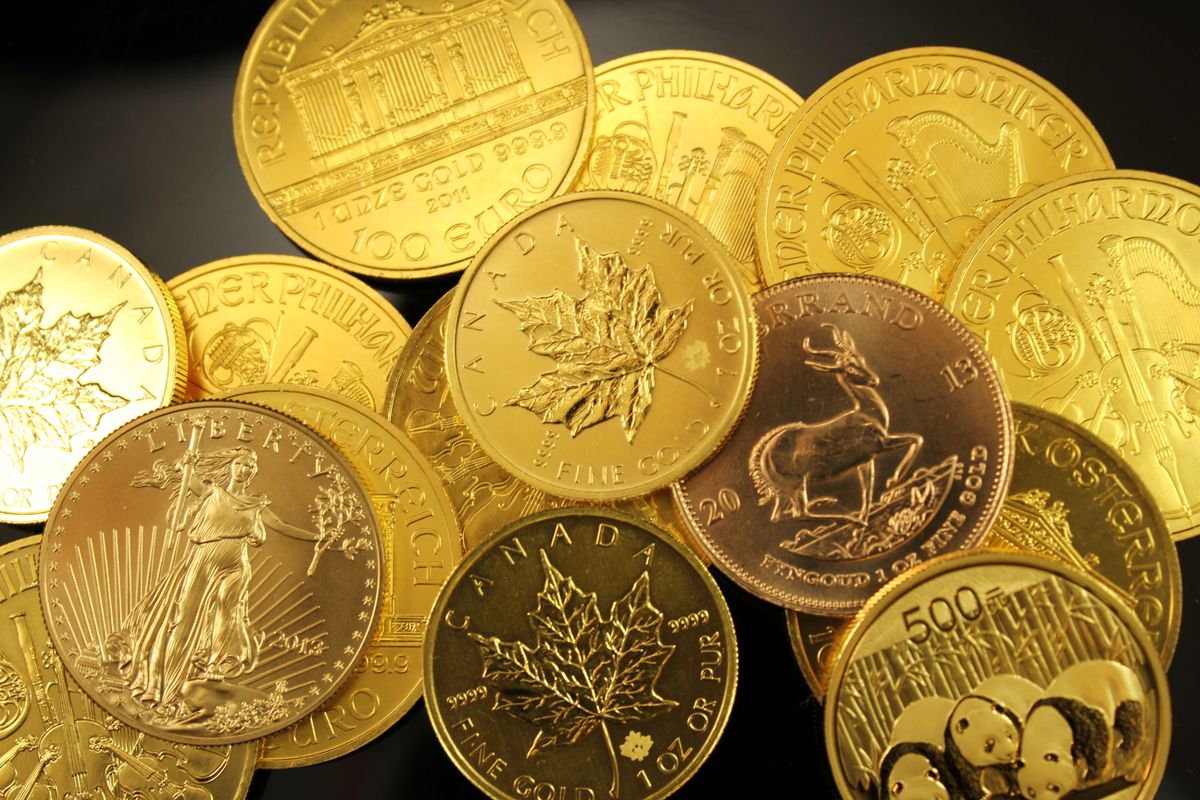
Some sellers also forget that not every item should be sold as scrap. Designer jewelry, antique pieces, collectible watches, signed items, and certain coins may be worth more than melt value. If a piece has brand, rarity, or resale appeal, get a second opinion before treating it like broken metal.
Be careful with pressure tactics. A buyer should not need to rush you, shame you for asking questions, or make the offer disappear if you want to compare. Gold prices move, but a legitimate buyer can explain how long the quote is valid and why.
What a Fair Scrap Gold Offer Looks Like
A fair offer is transparent. The buyer separates items by purity, weighs them clearly, explains the spot price reference, and tells you the deduction before you agree. You should leave knowing why the number is what it is.
For a small bag of mixed jewelry, the highest offer is not always from the fanciest storefront. It is usually from the buyer with low overhead, clear testing, and a strong resale or refining path. That is why getting more than one quote matters.
When comparing offers, write down each buyer's number and the assumptions behind it. If one quote is much lower, ask why. If one quote is much higher, make sure there are no hidden shipping fees, delayed payment terms, or surprise deductions after you mail the gold.
When Selling Scrap Gold Makes Sense
Selling scrap gold makes sense when the item is broken, mismatched, out of style, missing stones, or unlikely to sell as finished jewelry. It can also make sense when you would rather turn unused items into cash than keep them sitting in a drawer.
It may not make sense if the piece has sentimental value, collectible value, or a brand that could bring more on the resale market. A damaged designer bracelet, for example, may deserve a jewelry resale quote before a melt quote.
The best approach is simple: estimate the gold content, compare a few buyers, and only sell when the offer feels clear. If you are unsure, pause. There is nothing wrong with asking for the quote in writing and taking time to think.
Ready to See What Your Items Could Bring?
Cha-Ching Co can give you a free cash offer so you can compare your options with a clear baseline.
Bottom Line on Cash for Scrap Gold
Getting cash for scrap gold is mostly about knowing the inputs: karat, weight, spot price, and buyer deduction. Once you know those, you can compare offers with a lot more confidence. Sort your items, ask buyers to show their math, and avoid anyone who turns basic questions into a problem.
Disclaimer: This article is for general informational purposes only and is not financial, legal, tax, or appraisal advice. Gold prices, buyer policies, and payout percentages change often. Always verify current prices, buyer terms, shipping insurance, and local requirements before selling valuable items.