If you want to sell designer jewelry, the safest place to start is with a clear picture of what you own: brand, metal, stones, condition, documents, and how quickly you need the money. A signed Cartier bracelet, Tiffany ring, David Yurman chain, or Van Cleef pendant is not priced the same way as unbranded gold jewelry. The name can help, but buyers still care about authentication, wear, resale demand, and whether the piece can be resold without doubt.
That is where many sellers get frustrated. An insurance appraisal may say one number, a pawn shop may offer another, and online listings may show prices that seem all over the place. None of those numbers are useless, but they answer different questions. This guide walks through the practical way to compare your options, protect yourself from low offers, and decide when a fast cash sale makes sense.
Need a Straight Cash Offer?
Cha-Ching Co helps sellers compare fair cash options for jewelry, gold, vehicles, and property without pressure.
Sell Designer Jewelry by Identifying What You Actually Have
Before you ask for offers, gather the basics. Write down the designer name, collection if you know it, metal stamp, serial number, stone details, size, and any visible wear. Look for hallmarks inside rings, on clasp areas, on bracelet hinges, or near pendant bails. Take clear photos in natural light from the front, back, sides, stamps, stones, clasp, and any flaws.
Designer jewelry usually gets evaluated in two layers. First, there is intrinsic value: the gold, platinum, diamonds, gemstones, and craftsmanship. Second, there is brand resale value. A signed piece from Cartier, Tiffany & Co., Van Cleef & Arpels, Bulgari, David Yurman, Chopard, or Harry Winston may bring more than melt value because the buyer is paying for the brand and design as well as the materials.
Do not assume every signed item is authentic. The Federal Trade Commission's Jewelry Guides exist because jewelry claims can confuse buyers and sellers when descriptions are loose or incomplete. If a buyer is going to resell the piece, they need confidence that the metal, stone, designer mark, and condition are described accurately.
For diamond or gemstone pieces, a lab report can matter. A GIA report is different from an appraisal. The lab report describes grading details such as carat, color, clarity, cut, treatments, and origin information when applicable. An appraisal estimates a dollar value for a stated purpose, often insurance replacement. Both can be useful, but they are not the same document.
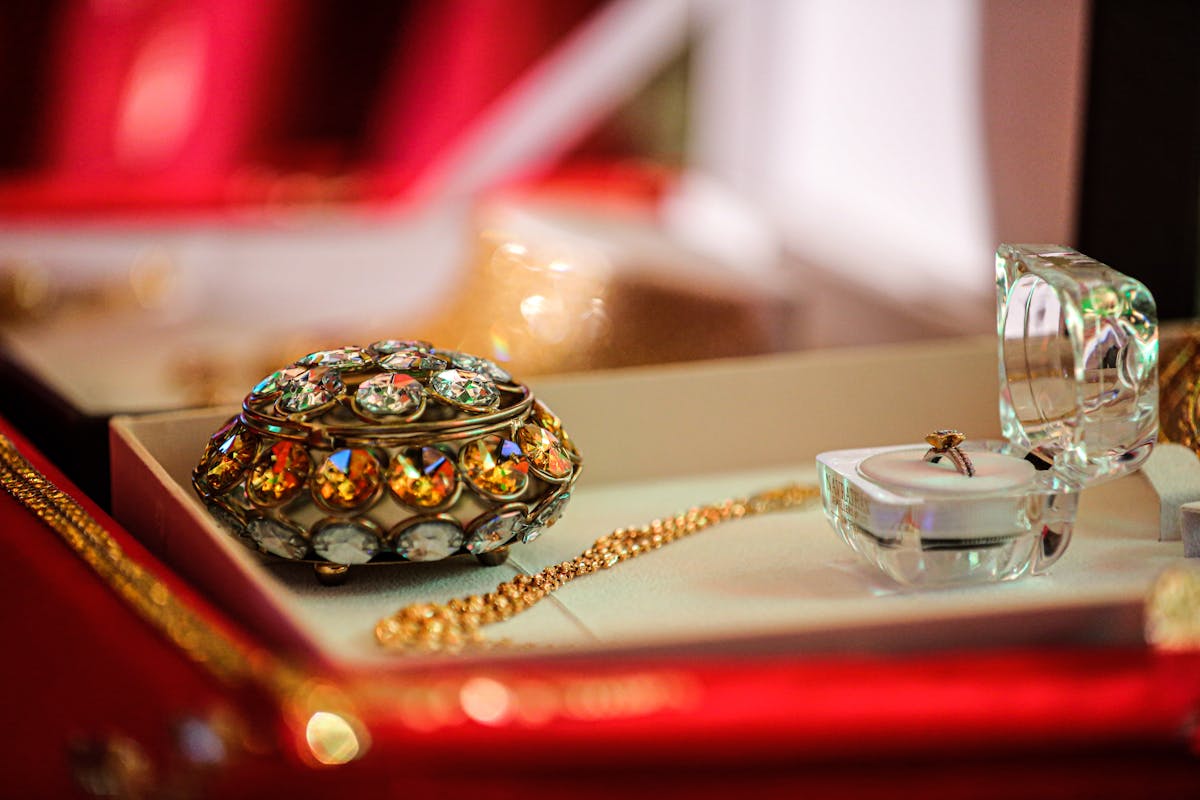
Documents That Help When You Sell Designer Jewelry
Paperwork will not fix a weak market or poor condition, but it can reduce doubt. Pull together original receipts, boxes, brand certificates, service papers, appraisals, lab reports, and past repair records. For some luxury buyers, the original box and papers are part of the resale package. They show chain of ownership and make the piece easier to present to the next buyer.
If you do not have documents, you can still sell. Many legitimate buyers inspect jewelry in-house or through a gemologist. The difference is that a buyer may build more risk into the offer if they have to verify everything from scratch. This is especially true for heavily counterfeited designs, high-value diamonds, branded bracelets, and pieces with unclear hallmarks.
Be careful with old insurance appraisals. They are often written for replacement cost, not resale value. Replacement cost can be much higher than what a cash buyer, consignment shop, or auction bidder will pay. Jewelers of America notes that appraisals should not be intentionally inflated beyond a fair retail selling price, and the purpose of the appraisal matters. Ask any appraiser whether the value shown is replacement, fair market, liquidation, or another type of value.
If a piece may be worth several thousand dollars, a paid appraisal or lab report can be worth the time. For lower-value items, the report may cost too much relative to the likely offer. A practical middle ground is to get two or three buyer opinions first. If everyone says the piece is worth much more with formal documentation, then you can decide whether the cost makes sense.
Where to Sell Designer Jewelry Without Getting Rushed
You have several realistic selling paths, and each one trades speed for payout in a different way.
Local jewelry buyers can be fast. You can sit across from a person, ask questions, and leave with payment if the offer works. The downside is that some local buyers focus on melt value and may not pay much extra for designer demand. This path works best when you want speed and the offer clearly explains the brand, metal, stones, and condition.
Consignment can bring a higher price if the store has the right clientele. The store photographs, markets, and sells the piece, then takes a fee or percentage. The tradeoff is time. You may wait weeks or months, and there is no guarantee the piece sells at the original asking price.
Online luxury resale platforms can be useful for recognized brands. They often have authentication teams and existing buyer traffic. Read the fee schedule, payout timeline, return policy, insurance terms, and what happens if the item is rejected or repriced.
Auction houses can work for rare, signed, antique, or high-end pieces with strong provenance. They are usually less practical for common pieces unless the brand and design are in demand. Ask about seller fees, reserve price, photography, shipping, insurance, and how long settlement takes after the auction.
Private sale may bring the highest gross price, but it puts the most work and risk on you. You handle photos, listing copy, buyer questions, authentication concerns, payment safety, shipping, returns, and possible disputes. For expensive jewelry, that is a lot to manage.
If your piece is damaged, inherited, missing papers, or hard to identify, read our guide on how to sell estate jewelry. If the item is broken or incomplete, our guide on where to sell broken jewelry may be a better fit.
Compare Before You Commit
A free cash offer gives you a real number to compare against consignment, auction, or private sale.
How Buyers Calculate an Offer
A serious buyer should be able to explain the offer in plain language. For designer jewelry, the offer usually starts with the materials and then adjusts for brand, design, condition, demand, authentication, and resale costs.
Gold and platinum pieces have a base value tied to metal weight and purity. Diamond jewelry is more complicated because the center stone, side stones, setting, brand, and condition all affect resale. Colored gemstones can be even harder to price because treatment, origin, saturation, clarity, cut, and demand matter.
Brand demand can help. Some collections have steady resale interest. Others are expensive at retail but softer secondhand. Limited editions, discontinued designs, larger sizes, iconic motifs, and excellent condition can improve the offer. Heavy wear, missing stones, resizing marks, weak clasps, aftermarket changes, and missing documentation can reduce it.
Remember that buyers are not usually paying retail. They need room for authentication, cleaning, repair, photography, listing fees, insurance, returns, overhead, and profit. That does not mean you should accept a weak offer. It means the best comparison is not the current retail price at the designer boutique. It is what similar pre-owned pieces actually sell for after fees.
Red Flags When You Sell Designer Jewelry
A fair buyer will not pressure you to decide in the first five minutes. Walk away if someone refuses to explain the offer, weighs jewelry out of sight, ignores the designer mark, dismisses documents without looking, or says the offer is only good if you accept immediately.
Be cautious with vague online promises too. A high estimate is not the same as a final offer. Before mailing anything, confirm insurance coverage, tracking, who pays return shipping, how long inspection takes, and whether the company can reduce the offer after receiving the item. Photograph the piece, packaging, shipping label, and any paperwork before it leaves your hands.
For private sales, avoid unusual payment arrangements, overpayment schemes, and requests to ship before funds fully clear. Expensive jewelry attracts serious buyers, but it also attracts people looking for mistakes. Meet in a secure location when selling locally and consider a jeweler or bank lobby if the transaction is large.
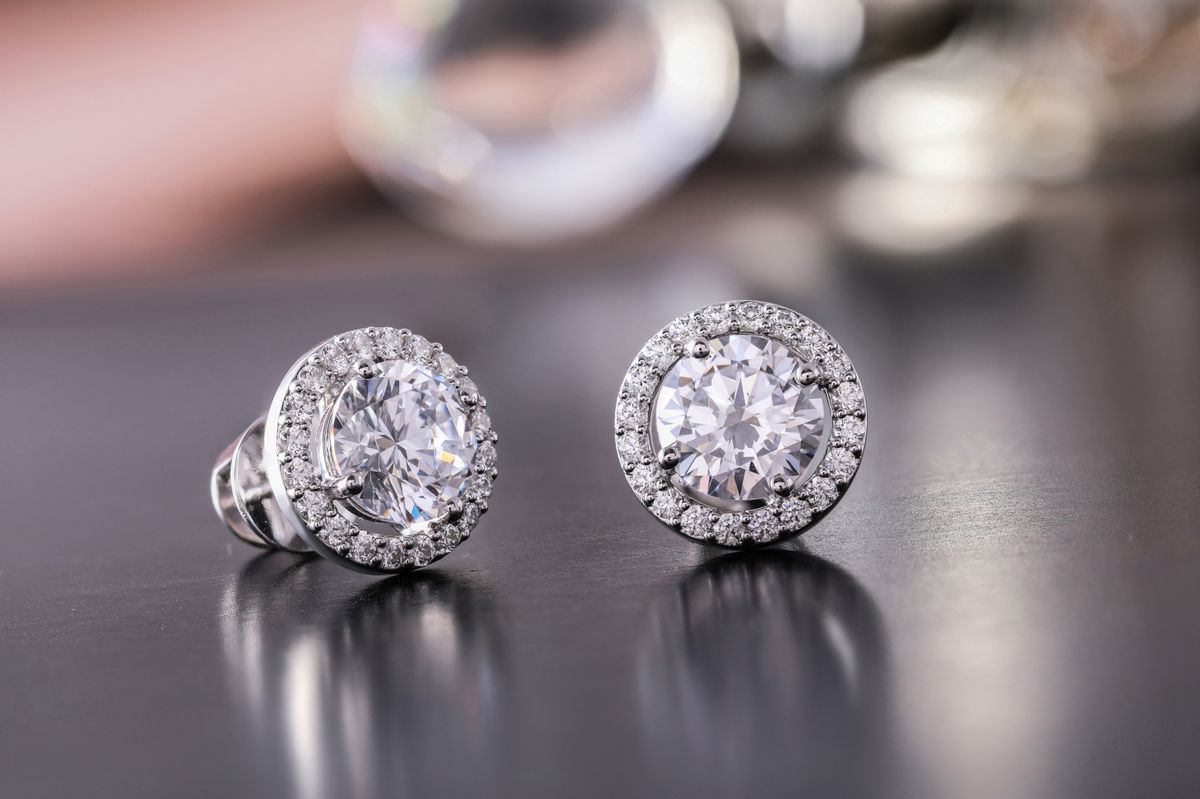
How to Prepare Your Piece Before Asking for Offers
Do not aggressively clean designer jewelry before a sale. Wiping with a soft cloth is fine, but harsh chemicals, ultrasonic cleaning, or home polishing can damage certain stones, finishes, enamel, pearls, or antique details. If the piece is high value, let a professional decide what cleaning is safe.
Take photos that help buyers evaluate the item quickly. Include a full shot, close-ups of stones, clasp, hallmark, serial number, brand stamp, box, papers, and any wear. For rings, include ring size if known. For bracelets and necklaces, measure length. For earrings, confirm whether backs are original. Small details make offers more accurate.
Write a simple description. Include the brand, collection, metal, stones, approximate age, purchase history if known, condition, documents, and whether any repairs or alterations were made. Do not guess on gemstone grades or metal purity if you are not sure. It is better to say "marked 18K" or "appears to be" than to overstate something you cannot verify.
Should You Sell Fast or Wait for a Higher Price?
There is no single right answer. If you need cash quickly, a direct buyer may be the cleanest option. You may give up some upside, but you avoid months of listings, returns, and uncertainty. If the piece is rare, fully documented, and in strong condition, waiting for consignment or auction could be worth it.
Think about your actual goal. Some sellers want the most money possible and are comfortable waiting. Others inherited jewelry they do not wear, are handling a divorce, need to settle an estate, or simply want a clean exit. A fair sale should respect that reality without turning it into pressure.
Before you accept, get at least two offers when practical. Ask each buyer to separate the reasoning: metal value, stone value, brand value, condition issues, fees, and payout timeline. The best offer is not always the highest headline number. It is the one you understand, trust, and can actually collect.
Final Checklist Before You Sell Designer Jewelry
Use this checklist before making a decision:
- Photograph the jewelry, hallmarks, box, papers, and flaws.
- Gather receipts, appraisals, lab reports, service records, and certificates.
- Check whether the appraisal is replacement value or resale value.
- Compare offers from at least two serious buyers when time allows.
- Ask how the buyer handles authentication, repairs, fees, and payout.
- Confirm shipping insurance and return terms before mailing jewelry.
- Avoid pressure tactics and unclear offer math.
Selling a designer piece can feel personal, especially if it was inherited, gifted, or tied to a life change. Slow the process down enough to understand what you own and what each offer means. You do not need to become a jewelry expert. You just need enough clarity to avoid being rushed into the wrong sale.
Ready for a Fair Cash Option?
Cha-Ching Co can help you see what a fast cash path may look like before you choose how to sell.
Disclaimer: This article is for general informational purposes only and is not financial, legal, tax, appraisal, or gemological advice. Jewelry values vary by brand, authenticity, metal, stones, condition, documentation, market demand, and buyer policies. For high-value, inherited, insured, or disputed jewelry, consider speaking with a qualified appraiser, gemologist, attorney, or tax professional before selling.