Sell House With Water Damage: How to Move Forward Without Getting Stuck With Repairs
If you need to sell house with water damage, you still have options. Water damage can scare off traditional buyers, slow down financing, and turn a normal sale into weeks of inspections and repair negotiations. But a damaged property is not unsellable. The key is knowing what kind of damage you are dealing with, what you may need to disclose, and when it makes more sense to sell as-is instead of spending more money on the home.
Need to sell fast without fixing water damage?
Cha-Ching Co helps homeowners explore a simple cash sale when repairs, cleanup, and showings feel like too much.
Some homes have a small leak under the sink. Others have flood damage, mold, warped floors, ruined drywall, or long-term moisture hidden behind walls. Buyers and lenders look at those situations very differently. Before you make a decision, it helps to understand what your house needs, what it might cost, and whether speed matters more than squeezing out every last dollar.
What counts as sell house with water damage problems
Water damage is a broad term. It can include plumbing leaks, roof leaks, appliance overflows, storm intrusion, floodwater, sewer backup, and damage from a fire response. Sometimes the issue is visible, like stained ceilings, buckled flooring, and soft drywall. Sometimes it shows up as mold smell, peeling paint, or swelling around baseboards and window frames.
Serious water damage usually raises four concerns at once: structural risk, mold risk, repair cost, and financing risk. If subfloors, framing, insulation, or electrical systems have been affected, the house may need more than cosmetic work. That matters because many financed buyers want a move-in-ready home, and appraisers can flag major condition issues.
If you are not sure how bad it is, get a realistic assessment from a licensed contractor, plumber, roofer, or remediation company. You do not always need a full renovation plan, but you do need enough information to avoid guessing.
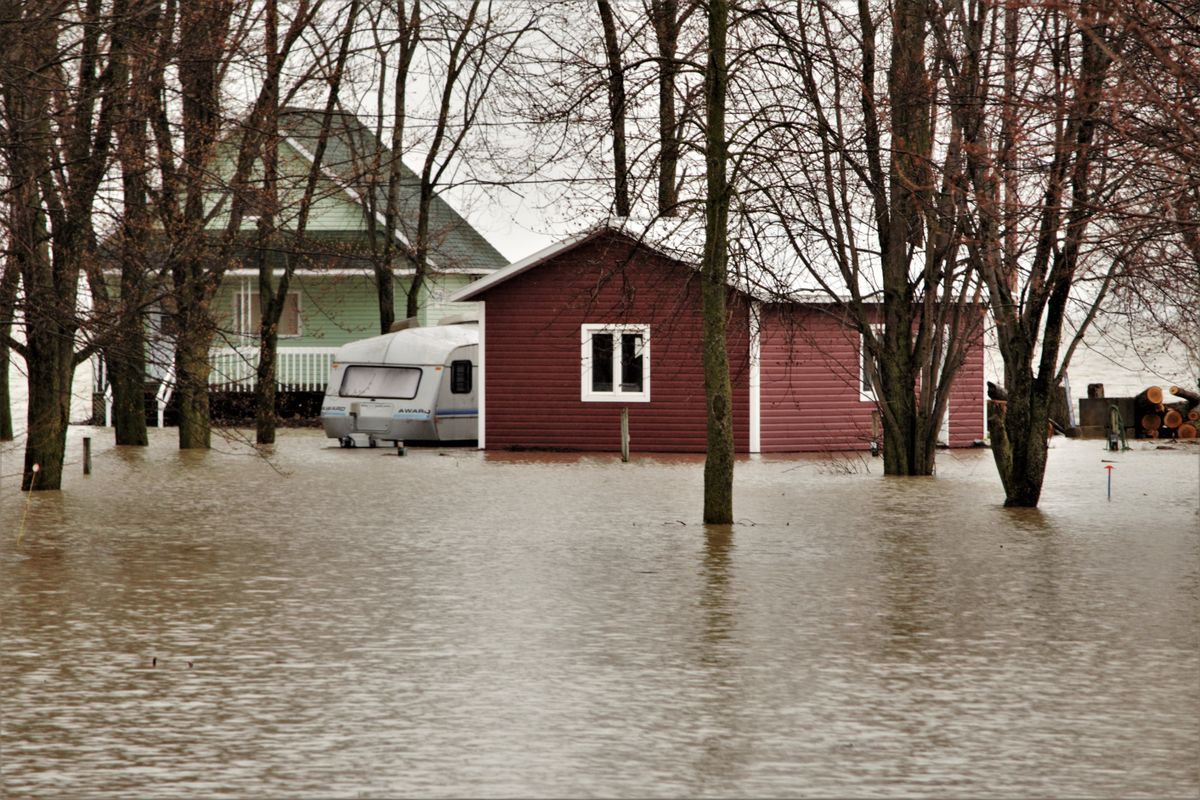
Should you repair first or sell house with water damage as-is?
This is the main decision. In some cases, basic cleanup and drying can protect value. In others, repairs become a money pit.
Repairing before listing may make sense if the damage is limited, insurance is helping, and the home would otherwise show well. For example, a contained plumbing leak that affected one bathroom is very different from recurring flood damage or widespread mold. A modest repair may widen your buyer pool.
Selling as-is may make more sense if the damage is extensive, you do not have cash for repairs, the property has been sitting vacant, or you need certainty. Many sellers in this spot choose a direct buyer because they want to avoid contractor delays, failed inspections, and buyers asking for credits after going under contract. If that sounds familiar, read our guide on how to sell a house as-is.
There is no universal right answer. The right move depends on repair cost, timeline, stress level, and your local market.
Want a no-repair option?
If your house has leaks, mold, or flood damage, you can still request a free cash offer and compare it against the repair route.
Repair costs, insurance, and the hidden expenses sellers miss
Water damage costs vary wildly. Minor repairs might stay in the low thousands. Once you add remediation, drywall replacement, flooring, cabinetry, insulation, electrical work, or mold treatment, the number can climb fast. If the source of water is still active, the fix starts with stopping that source before anything else gets replaced.
Insurance can help in some situations, but not all. A sudden covered event, like a burst pipe, may be treated differently from long-term neglect or excluded flooding. FEMA notes that National Flood Insurance Program policies generally do not cover mold damage, and FloodSmart recommends documenting damage with photos, videos, and receipts before cleanup when possible. That is useful for claims, but it also helps if you later sell and need a clean paper trail.
One mistake sellers make is looking only at contractor bids. The real cost can also include carrying payments, utilities, storage, temporary housing, missed work, repeated cleanup, and the emotional drag of managing a damaged property for months. Sometimes the lower net sale price of an as-is deal is still the better financial outcome because it cuts risk and holding costs.

Disclosure rules when you sell house with water damage
In most states, sellers are expected to disclose known material defects, and water damage often falls squarely in that category. Exact forms and legal standards vary by state, so talk to a real estate attorney or local agent if you need state-specific guidance. Still, the practical rule is simple: if you know about past or current water intrusion, mold, insurance claims, or repairs, do not hide it.
Clear disclosure protects you. Trying to paint over stains or avoid questions can create legal headaches later. A better approach is to gather photos, invoices, inspection notes, remediation reports, and claim documents. If the issue was fixed, show what was done. If it was not fixed, say that too. Honest disclosure does not kill every deal. Surprises do.
If you worry that full disclosure will force a discount, that may be true, but hidden problems usually cost more once buyers discover them. In some situations, a direct sale to an investor or cash buyer can be simpler because these buyers expect property issues and price them in from the start.
How cash buyers evaluate a water-damaged house
Cash buyers usually look at the after-repair value, the scope of work, local resale demand, and how risky the project feels. They will often estimate cleanup, structural repairs, mold remediation, permits, holding costs, and a margin for surprises behind walls or under floors. That is why offers can vary so much from one buyer to another.
A serious buyer should explain how they arrived at their number. They should not pressure you to sign on the spot or dodge basic questions. Ask whether they have proof of funds, whether they charge fees, who pays closing costs, and whether they have actually closed on similar homes. If you are comparing a cash offer against listing with an agent, our article on selling below market value can help you think through the tradeoff between price and certainty.
Be cautious with anyone who gives a high verbal offer before seeing the property, then slashes it later. That happens. A better process is to get more than one opinion and compare the real net amount, not just the headline number.

How to protect yourself from scams and bad deals
Distressed properties attract both legitimate buyers and opportunists. Slow down enough to check who you are dealing with. Look for reviews, public business records, recent transactions, and a straightforward purchase agreement. Read the inspection period, assignment language, closing timeline, and any cancellation clauses.
You should also be careful with contractors who promise fast cheap fixes without a clear scope of work. FloodSmart advises homeowners to choose qualified repair services and keep records. That same mindset applies here. If someone wants a large upfront deposit, will not document the job, or keeps changing the price, move on.
The cleanest path is usually one of two options: either make targeted repairs with a documented plan and list the property honestly, or sell as-is to a buyer who knows how to handle water damage. The messy middle, where nothing is fully repaired and everyone is guessing, tends to waste the most time.
Compare your options before spending on repairs
A free cash offer can give you a baseline so you can decide whether fixing the house is actually worth it.
A practical plan if you need to move quickly
If time matters, keep it simple. First, document the damage. Take photos, gather repair estimates, and collect any insurance paperwork. Second, decide whether you have the budget and patience for repairs. Third, compare at least two paths: a traditional listing after repairs and an as-is cash offer. Fourth, review the numbers based on net proceeds, timeline, and risk, not just the highest possible sale price.
For many homeowners, water damage shows up during an already stressful stretch, after a storm, an inherited property, a vacancy issue, or a financial squeeze. You do not need a perfect house to sell. You need a realistic plan that matches your timeline and your tolerance for more work.
Frequently asked questions
Can I sell a house with water damage without repairing it?
Yes. You can sell a house with water damage as-is, especially to cash buyers or investors. You still need to disclose known issues.
Will water damage stop a buyer from getting financing?
Sometimes. If the damage is severe enough to affect safety, habitability, or appraisal value, a lender may require repairs before closing.
Does homeowners insurance cover water damage when I sell?
It depends on the cause. Sudden accidental damage may be covered. Flood damage is often excluded from standard homeowners policies, and separate flood coverage may apply.
Do I have to disclose old water damage if it was repaired?
In many cases, yes. Laws vary by state, but disclosing past damage and showing repair records is usually the safer move.
How do I know if a cash offer is fair?
Ask how the buyer calculated the offer, compare more than one offer, and focus on the real net amount after fees, repairs, and closing costs.
Disclaimer: This article is for general informational purposes only and is not legal, tax, insurance, or real estate advice. Property disclosure rules, insurance coverage, and selling options vary by state and situation. For advice specific to your property, speak with a licensed real estate professional, attorney, insurance representative, or tax advisor.