Where to Sell Gold: 7 Options Ranked by How Much They Actually Pay
If you've got gold sitting in a drawer - old rings, a broken chain, some coins from your grandfather - you're probably wondering where to sell gold for the best price. With gold trading above $5,000 per ounce in 2026 (up over 74% from a year ago), there's never been a better time to turn that unused gold into cash.
But here's the thing: where you sell matters just as much as when you sell. The difference between a pawn shop and a gold refinery can mean hundreds or even thousands of dollars on the same piece. This guide breaks down every option available to you, with real payout percentages so you can make the smartest choice.
Want to Skip the Research?
Cha-Ching Co gives you a free, no-obligation cash offer on items you want to sell - fast and fair.
Where to Sell Gold: 7 Options Ranked by Payout
Not all gold buyers are created equal. Some will pay you 95% of your gold's melt value. Others will pocket 50% or more for themselves. Here's how each option stacks up, ranked from highest to lowest typical payout.
1. Gold Refineries - Pays 90% to 99% of Melt Value
Selling directly to a refinery is the closest you'll get to spot price. Refineries like Garfield Refining, Cascade Refining, and Accurate Precious Metals process raw gold into pure bars and ingots. Since you're cutting out every middleman, the math works in your favor.
A quick example: with gold at $5,150 per ounce, a 1 oz piece of 14K gold contains about 0.585 oz of pure gold - roughly $3,013 in melt value. A refinery paying 96% gives you $2,892. A pawn shop at 55%? Just $1,657. That's a $1,235 difference on a single ounce.
Refineries work best if you have a decent quantity to sell. Many accept mail-in shipments and use professional XRF testing to verify purity. Processing usually takes 7 to 14 days, and most charge a 1% to 5% fee.
Best for: Large quantities, high-karat gold, dental gold, or scrap that other buyers won't handle well.
2. Online Gold Buyers - Pays 85% to 95% of Melt Value
Online buyers like CashforGoldUSA, APMEX, and Kitco have become one of the most popular ways to sell gold. Their overhead is lower than brick-and-mortar shops, and they pass those savings on to sellers through better payouts.
The process is straightforward. Most send you a free insured shipping kit. You mail your gold, they evaluate it, and they send you an offer - usually within 24 to 48 hours of receiving your items. If you don't like the offer, they'll ship everything back at no cost.
CashforGoldUSA, for instance, advertises payouts up to 95% of gold value with a 10% bonus if you ship within a week. Payment comes through PayPal, check, or wire transfer. Total turnaround from mailing to getting paid is typically 5 to 10 business days.
Best for: Sellers who want convenience and strong payouts without leaving home.

3. Gold Dealers and Coin Shops - Pays 85% to 95% for Bullion, 75% to 85% for Jewelry
If you have gold coins or bars, a dedicated gold dealer is often your best bet. These specialists know the difference between a common American Gold Eagle and a rare proof coin that's worth well above melt value. Many belong to the Professional Numismatists Guild and use precision testing equipment.
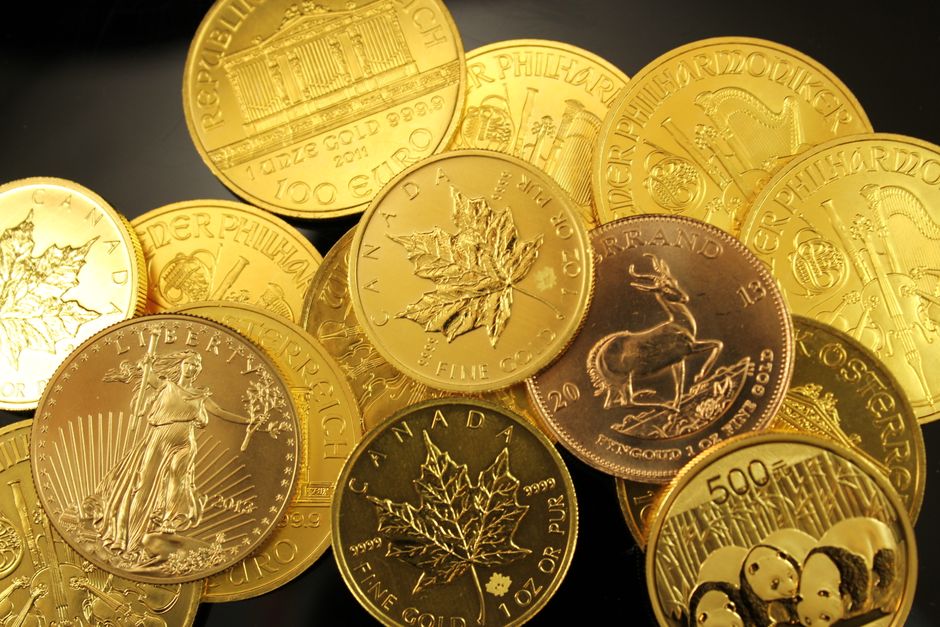
For standard bullion - Gold Eagles, Krugerrands, Maple Leafs, and generic bars - competitive dealers pay 95% to 99% of spot price. That's hard to beat. They pay less for jewelry and scrap (75% to 85%), but you'll still do better than a pawn shop.
The big advantage is speed. Walk in, get your gold tested and weighed, negotiate a price, and leave with cash or a check the same day. No shipping, no waiting.
Best for: Gold coins (especially collectible ones), bullion bars, and anyone who wants same-day payment.
4. Local Jewelry Stores - Pays 40% to 80% of Melt Value
Your neighborhood jeweler can be a decent option, but payouts vary wildly from one shop to the next. Some pay a fair 70% to 80% of melt value. Others low-ball at 40% and hope you don't know better.
Where jewelers shine is with intact, wearable pieces - especially designer or brand-name jewelry from makers like Tiffany, Cartier, or David Yurman. These pieces may be worth significantly more than their melt value because the jeweler can resell them. Some stores also offer consignment, where they sell the piece at retail price and give you a higher percentage of the sale.
The downside: many local jewelers aren't precious metals experts. Their primary business is selling jewelry, not buying it. Watch out for hidden "refining fees" or other deductions that shrink your payout.
Best for: Designer jewelry, intact pieces with resale value, and consignment opportunities.
Not Sure What Your Gold Is Worth?
Get a free cash offer from Cha-Ching Co. No pressure, no hidden fees - just a straightforward number.
5. "We Buy Gold" Storefront Shops - Pays 50% to 70% of Melt Value
You've seen these shops pop up in strip malls, especially during gold price surges. They serve a purpose - fast cash with minimal hassle - but you're paying a steep premium for that convenience.
Most "We Buy Gold" shops pay between 50% and 70% of melt value. Their business model relies on volume and wide margins. Some are perfectly legitimate operations. Others use aggressive tactics or inaccurate scales to squeeze extra profit.
If this is your only local option, get quotes from at least two or three shops before committing. And bring your own estimate of your gold's value (more on how to calculate that below).
Best for: Quick local transactions when you don't have access to dealers or online buyers.
6. Pawn Shops - Pays 20% to 70% of Melt Value
Pawn shops are the fastest way to get cash for gold - you can literally walk in and walk out with money in 15 minutes. But that speed comes at a cost. Most pawn shops pay between 50% and 70% of melt value, and some go as low as 20% to 30%.
Pawnbrokers deal in everything from power tools to designer handbags. Gold isn't their specialty, and their staff may not accurately assess karat or weight. They also have the option of giving you a loan instead of buying outright - meaning you get less cash now but can buy your gold back later (plus interest).
Pawn shops make the most sense when you need cash immediately and can't wait for shipping or appointments. For anything over a few hundred dollars in value, it's worth exploring other options first.
Best for: Emergency cash needs when speed matters more than price.
7. Online Marketplaces (eBay, Facebook, Craigslist) - Varies Widely
Selling gold yourself on eBay or Facebook Marketplace can sometimes net you more than melt value - especially for collectible coins, vintage jewelry, or recognizable brand pieces. Buyers on these platforms pay retail or near-retail prices.
The catch? eBay takes 13% to 15% in fees. Facebook Marketplace and Craigslist are free but come with safety risks when dealing with strangers over high-value items. You also need to accurately describe and photograph your items, handle shipping insurance, and manage buyer disputes.
This route works best if you have time, patience, and items with collectible or aesthetic value beyond their gold content.
Best for: Collectible coins, vintage jewelry, and sellers comfortable with online marketplace dynamics.
Where to Sell Gold for Top Dollar: Tips That Actually Work
Regardless of where you sell, these steps will help you maximize your payout.
Know your gold's karat and weight
Check for hallmarks stamped on your jewelry - common markings include 10K, 14K, 18K, and 24K. Higher karat means more pure gold. A 24K piece is 99.9% gold, while 10K is about 41.7%. If there's no stamp, a jeweler or dealer can test it for you (often free if you're selling).
Calculate the melt value yourself
Here's the formula: Weight (in troy ounces) x Karat purity x Current spot price = Melt value. For example, a 14K gold chain weighing 0.5 troy ounces at today's $5,150 spot price: 0.5 x 0.585 x $5,150 = $1,506 melt value. Any offer below 70% of that number ($1,054) is probably too low.
Get multiple quotes - always
This is the single most important thing you can do. Get at least three quotes before selling. Offers can vary by 30% or more for the exact same piece. Many online buyers and local dealers will give you a free estimate, so there's no reason not to shop around.
Watch out for red flags
Be cautious of buyers who won't let you watch the weighing process, pressure you into an immediate decision, quote prices without referencing the current spot price, or charge unexplained "processing" or "refining" fees. A trustworthy buyer will be transparent about how they calculate their offer.
Understand melt value vs. retail value
Melt value is what the raw gold is worth if melted down. Retail value accounts for craftsmanship, brand, rarity, and condition. A vintage Rolex with a gold case is worth far more than its melt value. A broken 14K chain? Melt value is probably all you'll get. Know which category your items fall into before you sell.
Ready to Turn Your Gold Into Cash?
Cha-Ching Co makes it easy. Get a free cash offer today - no strings attached.
What Types of Gold Can You Sell?
Almost any form of gold has value. Here's what buyers commonly accept:
- Gold jewelry - Rings, necklaces, bracelets, earrings, watches (any karat)
- Gold coins - American Eagles, Krugerrands, Canadian Maple Leafs, and other sovereign coins
- Gold bars and ingots - From 1 gram to 1 kilogram or larger
- Dental gold - Crowns, bridges, and fillings (yes, refineries buy these)
- Scrap gold - Broken pieces, mismatched earrings, outdated settings
- Gold-plated items - These have very little gold and are rarely worth selling, but some refineries accept them in bulk
Is Now a Good Time to Sell Gold?
Gold set 53 new all-time highs in 2025 alone and crossed $5,000 per ounce for the first time in January 2026. As of February 2026, prices sit around $5,150 per ounce - up about 74% from a year ago.
For context, gold was around $1,800 per ounce just three years ago. If you bought gold (or received it as a gift) at any point before 2025, you're sitting on significant gains.
According to J.P. Morgan's Q1 2026 commodities outlook, the bank expects gold to average around $5,055 per ounce through Q4 2026, with potential to reach $5,400 by the end of 2027. Central banks worldwide continue buying aggressively - over 1,000 tonnes per year for three consecutive years - which supports prices long-term.
Nobody can predict the market perfectly, but selling gold at $5,000+ is historically extraordinary. Whether you cash out now or wait for potentially higher prices is a personal decision based on your financial situation. If you're looking to turn other assets into cash too, check out our guide on getting cash for junk cars or learn about selling your house for cash to avoid foreclosure.
Disclaimer: This article is for informational purposes only and does not constitute financial advice. Gold prices fluctuate and past performance does not guarantee future results. Always do your own research and consult a qualified financial advisor before making investment decisions. Cha-Ching Co is a referral service and may earn compensation from partners mentioned or linked on this site.