If you want to sell gold bullion, the best move is to slow down long enough to know what you have, what it is worth, and which buyer type fits your situation. Bullion is usually easier to price than jewelry because the value is tied closely to gold content, weight, purity, and the live spot price. The hard part is avoiding weak offers, confusing fees, and rushed decisions.
Want a Simple Cash Option?
Cha-Ching Co helps sellers compare cash options for gold, cars, homes, and other valuable assets without pressure.
This guide explains how bullion is priced, where to sell it, what documents to gather, and how to protect yourself before you hand over a bar, round, or coin.
Sell Gold Bullion: Know What Counts as Bullion
Gold bullion is investment-grade gold valued mostly for metal content rather than design, rarity, or craftsmanship. The most common forms are:
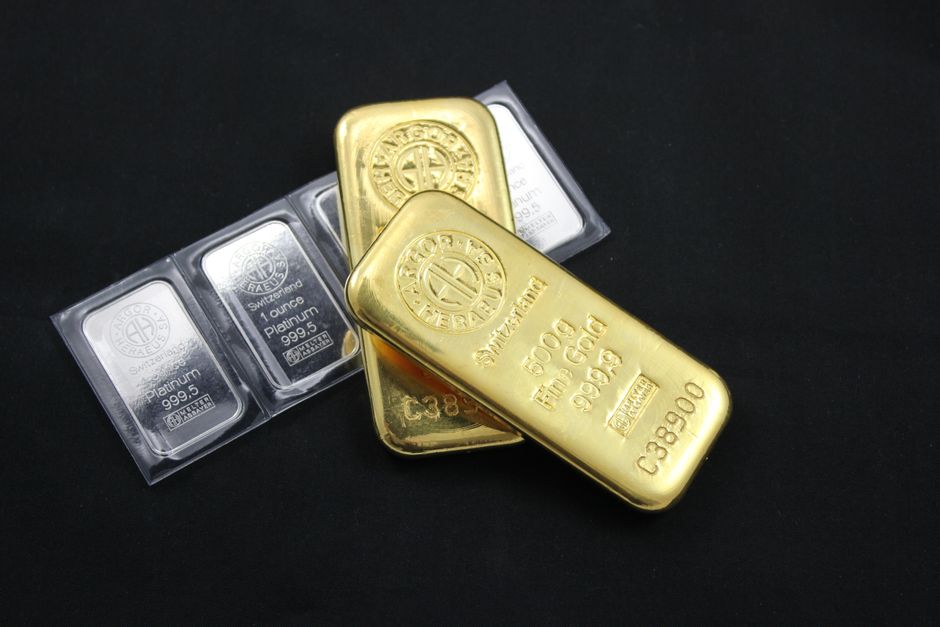
- Gold bars: Rectangular pieces, often stamped with weight, purity, mint or refiner, and sometimes a serial number.
- Gold rounds: Coin-shaped pieces made by private mints. They are not legal-tender coins, but they can still contain investment-grade gold.
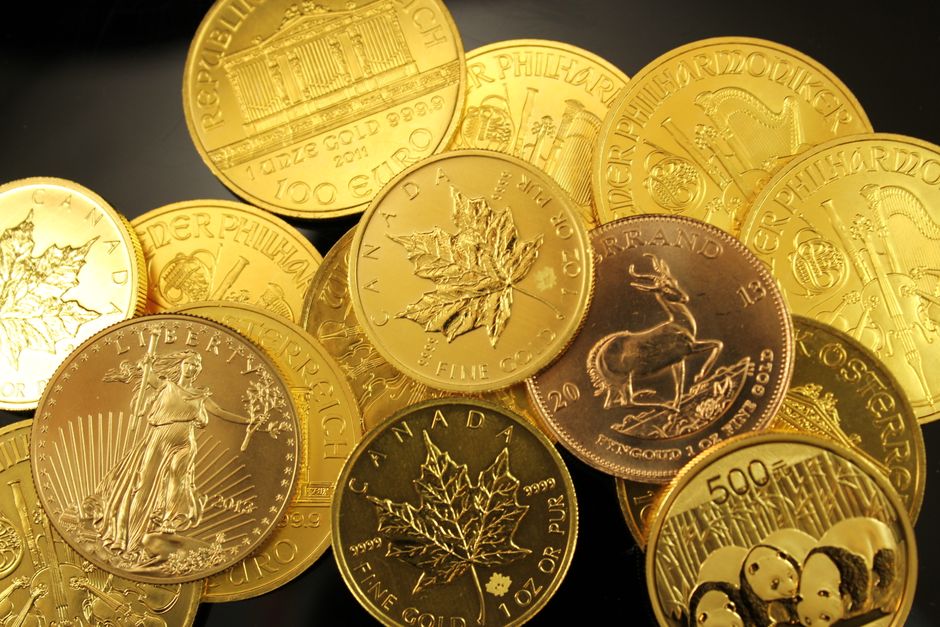
- Gold bullion coins: Government-minted coins such as American Gold Eagles, Canadian Maple Leafs, South African Krugerrands, and similar products.
Bullion is different from most gold jewelry. Jewelry buyers may discount for stones, design, resale difficulty, or unknown purity. Bullion buyers can usually price the item more directly because the product is standardized.
How Buyers Price Gold Bullion
The starting point is the live gold spot price. Spot price is the market price for one troy ounce of pure gold. Bullion buyers then adjust the offer based on weight, purity, product demand, condition, authenticity, and their own spread.
Here is the basic math:
- Weight: Gold bullion is commonly measured in troy ounces, grams, or kilos. A troy ounce is about 31.1 grams.
- Purity: Many bars and coins are .999 or .9999 fine gold. Some coins, such as American Gold Eagles, are 22-karat but still contain the stated amount of pure gold.
- Premium: Some coins and small bars sell above melt value because buyers want that specific product.
- Spread: Dealers need margin. A strong offer may still be below the retail price they would charge another buyer.
Before accepting an offer, check the current spot price from a reputable market source, identify the exact product, and compare at least two buyers. If a buyer will not explain the math, that is a reason to pause.
Where to Sell Gold Bullion
You have several realistic options, and the best one depends on whether you care more about payout, speed, convenience, or privacy.
Local coin shops and bullion dealers
A local dealer can inspect the item in person and pay quickly. This is often a good route for standard coins and bars. Call ahead, ask whether they are buying your exact product, and ask how close to spot they are paying that day.
Online bullion dealers
Large online dealers often publish buyback prices for common products. You may lock a price, ship the bullion, and receive payment after verification. This can be competitive, but read the shipping, insurance, price-lock, and rejection policies before mailing anything valuable.
Pawn shops and general gold buyers
These can be fast, but offers may vary widely. A pawn shop may be useful if speed matters most, but bullion usually deserves a buyer that understands bullion pricing. If you are comparing options, our guide to the best place to sell gold breaks down common buyer types.
Private buyers
A private sale can sometimes bring a better price, especially for popular coins, but it also carries more risk. Meet in a safe public place, verify payment before releasing the item, and avoid shipping to strangers after a promise of later payment.
Sell Gold Bullion Without Getting Lowballed
A fair buyer should be willing to show how they reached the offer. That usually means weighing the item, checking markings, testing authenticity when needed, and tying the offer to spot price.
Use this checklist before you sell:
- Write down the product name, mint, weight, purity, and serial number if available.
- Take clear photos of both sides and any packaging or assay card.
- Check live spot price the same day you request offers.
- Ask whether the offer is locked or can change before payment.
- Ask who pays for shipping, insurance, testing, and return shipping if the item is rejected.
- Compare offers from at least two buyer types.
Be especially careful with buyers who push you to sell before you can compare, refuse to give a written quote, or claim your standard bullion is worth far less than melt value without a clear reason.
Compare Before You Commit
A free cash offer gives you a real number to compare against dealer, pawn, and private-sale options.
How to Tell If an Offer Is Fair
A fair bullion offer does not have to equal the retail price you see online. Dealers buy below resale price because they need room for verification, market movement, shipping, insurance, and profit. That said, the offer should still make sense against spot price and the exact product you are selling.
For common bullion bars, ask the buyer to state the percentage of spot they are paying. For popular government coins, ask whether they are paying any premium above melt value. If one buyer treats every coin like generic scrap while another recognizes the coin by mint and year, the second buyer may give you a more accurate number.
Small differences matter. A one-ounce gold bar and ten one-tenth-ounce coins can contain the same amount of gold, but the smaller pieces may carry different premiums because they are easier for retail buyers to purchase. Packaging can matter too. An unopened assay card or original mint tube is not magic, but it can make authentication smoother.
Documents and Proof That Help
You do not always need original paperwork to sell gold bullion, but proof helps. Keep any receipts, assay cards, certificates, mint packaging, dealer invoices, and inheritance paperwork. These items can make verification easier and may reduce friction with a serious buyer.
If the bullion came from an estate, make sure you have the right to sell it. For inherited items, the tax basis can be different from what the original owner paid. If the dollar amount is meaningful, ask a tax professional before you sell instead of guessing.
Shipping Gold Bullion Safely
If you sell online, shipping is where mistakes get expensive. Use the buyer's exact instructions. Confirm whether the package is insured for the full value, who owns the risk while it is in transit, and what happens if the package is delayed or damaged.
Do not label the outside of the package with words like gold, bullion, coins, or precious metals. Use tracking, keep the receipt, photograph the package before shipment, and save every email related to the quote and shipping label.
Taxes When You Sell Gold Bullion
Gold bullion is generally treated as a capital asset when held for personal or investment purposes. If you sell for more than your tax basis, you may have a taxable gain. If you sell for less, the tax treatment can depend on the facts and whether the item was held for investment or personal use.
Some bullion transactions may involve reporting forms, but rules can depend on product type, quantity, and buyer. Keep records of purchase price, sale price, dates, fees, and buyer information. This article is not tax advice. For tax questions, use IRS guidance or speak with a qualified tax professional.
Common Mistakes to Avoid
- Using jewelry math for bullion: Bullion should usually be priced closer to metal value than scrap jewelry.
- Ignoring premium: Some coins and small bars can carry buyer demand above melt value.
- Accepting the first quote: One extra quote can show whether the first buyer was fair.
- Mailing without insurance: Never ship valuable bullion casually.
- Forgetting records: Receipts and sale documents matter for taxes and future questions.
If you also own coins rather than bars or rounds, read our guide to getting cash for gold coins before you separate collectibles from standard bullion.
Final Take: The Best Way to Sell Gold Bullion
The best way to sell gold bullion is to identify the exact item, check the live spot price, compare real offers, and choose the buyer that gives you the best mix of payout and safety. Standard bullion is one of the cleaner assets to price, so do not let anyone make the process feel mysterious.
If you want speed, a local dealer or cash buyer may make sense. If you want the strongest market-based offer, compare online bullion dealer buyback prices too. Either way, get the offer in writing and keep your records.
Ready to See Your Cash Options?
Cha-Ching Co can help you understand what your valuable assets may be worth and compare a no-pressure cash offer.
Disclaimer: Cha-Ching Co is not a financial, legal, or tax advisor. This article is for general information only. Gold prices, buyer policies, tax rules, and market conditions can change. Always verify current prices, review buyer terms, and speak with a qualified professional before making financial or tax decisions.