If you are wondering who buys cars that don't run, you still have real options. A dead engine, bad transmission, flood damage, or a car that has been sitting for months does not automatically mean the vehicle is worthless. It does mean the right buyer matters more than usual, because towing, paperwork, repairs, and part value can change the offer fast.
Have a Car That Won't Start?
Cha-Ching Co can help you compare your options and request a free cash offer without pressure.
The best move depends on what is wrong with the car, whether you have the title, how quickly you need it gone, and whether the vehicle has value as a repair project, parts car, or scrap metal. Below is a plain-English breakdown of who buys non-running cars, how each option works, and what to check before you accept an offer.
Who Buys Cars That Don't Run?
The main buyers for a non-running car are cash car buyers, junk car buyers, salvage yards, mechanics, dealers, private buyers, and online car-buying services. Each one looks at the car differently.
A private buyer may care about the model, trim, mileage, and whether the repair is worth doing. A salvage yard usually cares more about parts demand, catalytic converter value, weight, and scrap prices. A cash buyer may sit in the middle, pricing the car based on resale, parts, towing cost, title status, and how hard the vehicle will be to move.
If the car is newer, popular, or has one clear problem, a private buyer or mechanic may pay more. If the car is old, missing parts, badly damaged, or impossible to diagnose, a junk car buyer may be faster and simpler. For a broader comparison, Cha-Ching Co's guide to selling a damaged car explains how condition affects buyer interest.
Cash Car Buyers
Cash car buyers are often the easiest option when a car will not start. Many will give an offer based on the year, make, model, mileage, condition, title status, location, and whether the car can roll or steer. Some include towing in the offer, while others subtract towing from the payout.
This route works well if you want a simple sale and do not want strangers coming to your driveway for test drives that cannot happen anyway. It can also be useful if the car is parked at a repair shop, apartment lot, storage yard, or family member's house and you need a clean pickup.
The tradeoff is that you may not squeeze out every last dollar. You are usually trading maximum price for speed, certainty, and fewer moving parts.
Junk Car Buyers and Salvage Yards
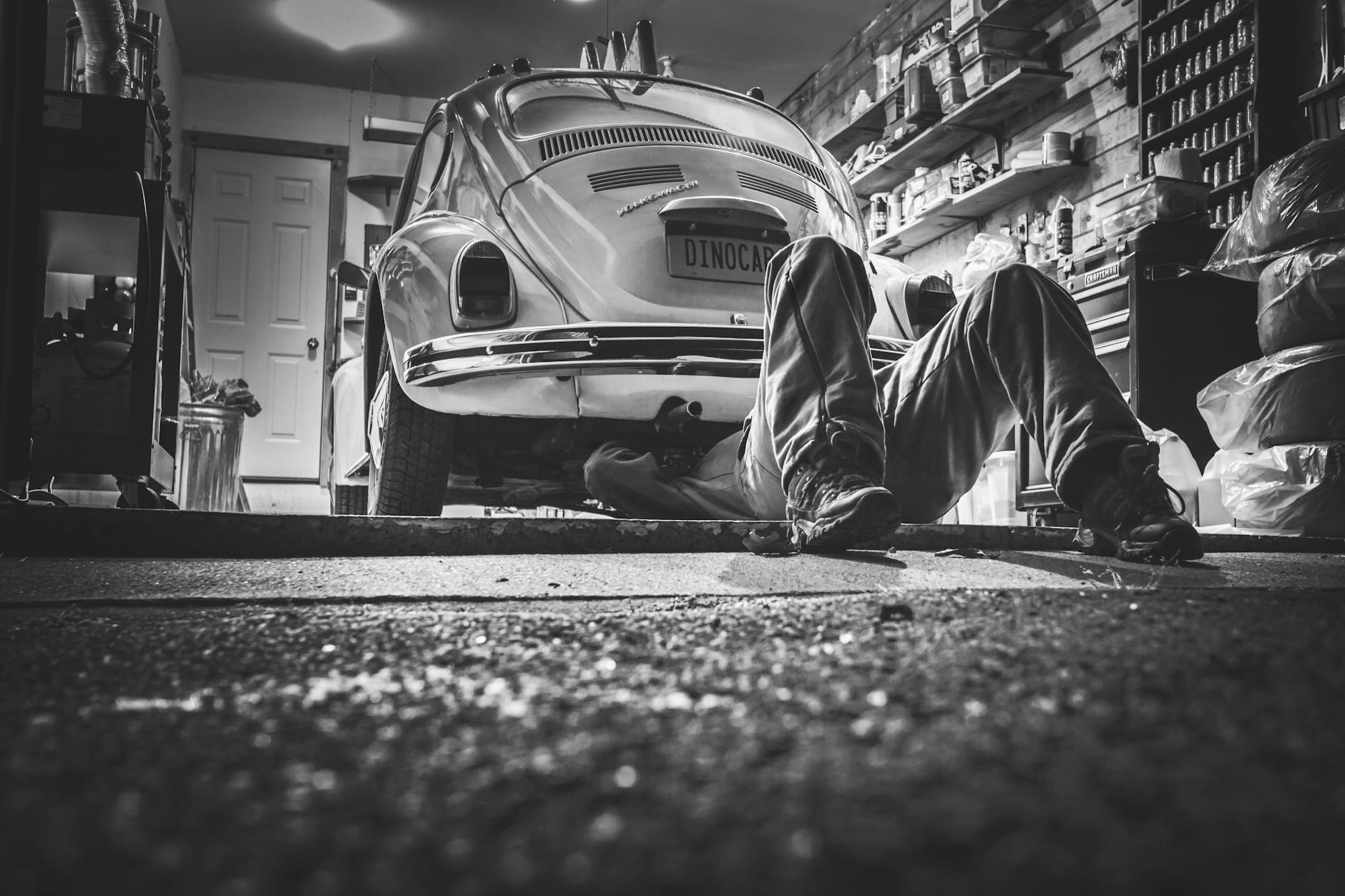
Junk car buyers and salvage yards buy vehicles for parts, scrap metal, and recyclable materials. They are a strong fit when the repair estimate is higher than the car's market value or when the car has been sitting so long that tires, battery, fluids, and electronics have become separate problems.
What they pay can depend on the vehicle's weight, local scrap prices, catalytic converter, wheels, battery, body panels, engine parts, and whether the title is clean. If the car is missing major parts, the offer may drop. If it is a common model with high parts demand, the offer may be better than you expect.
Ask whether towing is free, whether the quoted price is the amount you will receive at pickup, and what paperwork they need. Cha-Ching Co also has a related guide on getting cash for junk cars if your car is closer to scrap than repairable.
Private Buyers and DIY Mechanics
A private buyer can pay more for a non-running car if they believe they can repair it cheaply or part it out. This is common with trucks, Hondas, Toyotas, sports cars, work vans, and models with loyal enthusiast communities.
The downside is effort. You may need to answer a lot of questions, share repair records, allow inspections, and deal with buyers who want a big discount after they arrive. You also need to be clear that the car does not run. Put that in the listing title and description so nobody claims they were misled.
Private sale can make sense when you have time, the title is clean, and the car has obvious repair value. If the vehicle is unsafe to move, parked illegally, or racking up storage fees, waiting for the perfect buyer may cost more than it saves.
Dealers and Trade-In Offers
Some dealerships will take a car that does not run as a trade-in, especially if you are buying another vehicle from them. The offer may be low, but it can reduce hassle because the dealer handles the vehicle as part of the purchase paperwork.
This is usually not the best route if you only want to sell the car for cash. Dealers have to account for transport, auction fees, repair uncertainty, and profit margin. If you are not buying from them, many will pass or offer a number that feels more like a disposal credit than a true sale.
Who Buys Cars That Don't Run Without a Title?
Title rules vary by state, so this is where you need to slow down. Some buyers can purchase certain older vehicles with alternate paperwork, but many require a valid title before they will pay or tow. If the title is lost, the cleanest option is often to request a duplicate title through your state DMV before selling.
If you have a lien on the vehicle, the lender may need to be paid before ownership can transfer. If the car belonged to a relative, estate paperwork may be needed. If the name on the title does not match your ID, expect extra questions.
Be careful with any buyer who says paperwork does not matter at all. A quick sale is not worth future tickets, towing bills, or ownership disputes if the transfer is not handled correctly.
What Affects the Offer for a Non-Running Car?
Buyers usually look at a few things before giving a number:
- Year, make, and model: Newer vehicles and high-demand models often bring better offers.
- Mileage: Lower mileage can help, even when the car needs major repair.
- Problem type: A dead battery is very different from a seized engine or blown transmission.
- Body condition: Clean panels, good wheels, and intact glass can add part value.
- Title status: Clean title usually pays more than salvage, rebuilt, missing, or lien issues.
- Location and towing: A hard pickup location can reduce the offer.
- Scrap and parts demand: Local metal prices and used-parts demand can move offers up or down.
Before you call buyers, gather the VIN, mileage, title, photos, keys, repair estimate if you have one, and a short explanation of what happened. You do not need a perfect diagnosis, but honest details help you avoid last-minute price changes.
Skip the Guesswork
Tell Cha-Ching Co what you have, where it is, and what condition it is in. You can request a free cash offer and decide from there.
How to Avoid Problems When Selling a Car That Does Not Run
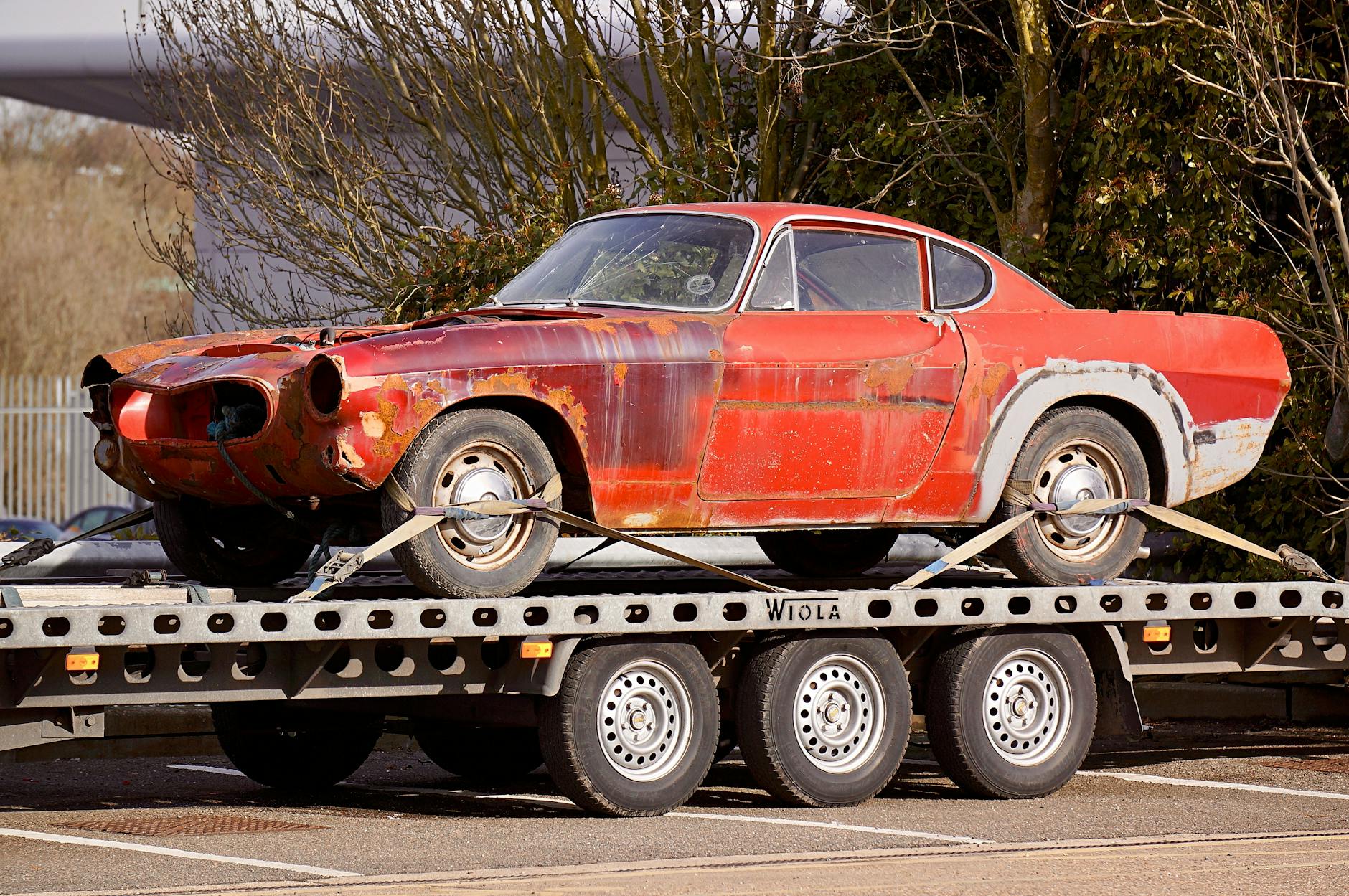
Most buyers are legitimate, but non-running cars attract some messy situations because the seller often wants the problem gone quickly. A few simple boundaries help.
Get the offer in writing before pickup. Confirm whether towing is included. Remove your plates if your state requires it. Take your personal items out of the car. Photograph the vehicle, odometer, signed title, and bill of sale. Cancel insurance after the sale is complete and follow your state's release-of-liability process when required.
Be cautious with overpayment stories, fake cashier's checks, wire requests, gift card requests, or anyone asking you to refund a shipping company. The FTC has warned that check overpayment scams often target people selling cars and other valuable items. If a buyer sends more than the agreed price and asks you to return the extra, walk away.
Should You Repair It Before Selling?
Sometimes, but not always. If the fix is small and certain, like a battery, tire, or simple sensor, repairing it may help you get more. If the diagnosis is uncertain or the estimate is thousands of dollars, repairs can become a trap.
Use this quick test: compare the repair estimate to the car's realistic value after repair. If the car might be worth $4,000 running and the repair is $3,200, selling as-is may be the calmer choice. If a $250 battery turns the car into a normal running vehicle, fixing it may be worth it.
Do not spend money just because you feel embarrassed selling a broken car. Buyers in this space expect problems. The goal is not to make the car perfect. The goal is to make a decision that protects your time and money.
The Bottom Line on Who Buys Cars That Don't Run
The people who buy cars that do not run include cash buyers, junk car buyers, salvage yards, mechanics, dealers, and private buyers. The best choice depends on whether you want the highest possible price, the fastest pickup, or the cleanest process.
If the car has strong repair value and you have time, test the private market. If it is old, badly damaged, or costing you money to store, a cash buyer or junk car buyer may make more sense. Either way, compare more than one offer, confirm towing and paperwork, and do not let anyone pressure you into a messy deal.
Ready to See What Your Car Is Worth?
Cha-Ching Co helps sellers request a free cash offer for cars that run, cars that do not, and vehicles that need work.
Disclaimer: This article is for general informational purposes only and is not legal, financial, tax, or vehicle valuation advice. Vehicle title rules, lien requirements, release-of-liability steps, towing rules, and sale paperwork vary by state and situation. Check your state DMV requirements and consult a qualified professional when needed before selling a vehicle.