Sell Fire Damaged House: Your As-Is Sale Options
If you need to sell fire damaged house fast, you are probably dealing with more than a normal home sale. There may be insurance paperwork, smoke damage, repair estimates, safety questions, and the emotional weight of what happened. The good news is that a fire-damaged property can still be sold. The right path depends on how much damage there is, whether insurance is involved, and how much time or money you want to put into repairs before closing.
Want a Simple Cash Option?
Cha-Ching Co can review your fire-damaged house and help you understand what a free cash offer could look like, without asking you to make repairs first.
Can You Sell Fire Damaged House As-Is?
Yes. In many situations, you can sell a fire-damaged house as-is. That means the buyer accepts the property in its current condition, with the damage disclosed, instead of requiring you to restore it before closing. This is often the cleanest path when the fire affected the roof, framing, electrical system, HVAC, plumbing, or interior finishes.
An as-is sale does not mean you can hide problems. It means the buyer is agreeing to take on the visible and disclosed issues. You should still be honest about the fire, the areas affected, any insurance claim, repair work already completed, known smoke or water damage, and whether local officials placed any restrictions on occupancy.
For homeowners who cannot comfortably fund repairs, an as-is cash sale can remove a lot of pressure. Traditional buyers often need a mortgage, and lenders may hesitate if the home has major safety or habitability problems. Cash buyers and investors are usually more comfortable with damaged properties because they expect to repair, rebuild, or resell them later.

What to Do Before You Sell Fire Damaged House
Before you talk numbers with buyers, get a clear picture of the damage. You do not need to turn into a contractor, but you do need enough information to avoid surprises. Start with these steps:
- Document the damage. Take photos and videos of burned areas, smoke damage, water damage from firefighting, damaged personal property, and exterior issues.
- Contact your insurance company. If you have coverage, ask about the claim process, payout timing, and whether selling before repairs affects anything.
- Keep all reports and estimates. Fire department reports, adjuster notes, contractor bids, structural inspections, and remediation estimates can help buyers understand the property.
- Secure the home. Board up openings, stop active leaks, and keep people away from unsafe areas. This protects you and the property.
- Check local requirements. Some cities require permits, inspections, or clearance before major repairs or occupancy after a fire.
If the damage is limited to one room, you may have more options. If the fire affected structural members, wiring, or the roof, selling to a repair-ready buyer may be more realistic than trying to make the home retail-ready yourself.
Should You Repair First or Sell Fire Damaged House for Cash?
This is the main decision. Repairing first can produce a higher sale price, but it can also cost more, take longer, and create new headaches. Selling for cash usually means accepting a lower price than a fully repaired home, but it may let you close without months of contractors, permits, inspections, and out-of-pocket spending.
Repairing first may make sense if the damage is mostly cosmetic, your insurance payout covers the work, you trust the contractors, and you can wait for the project to finish. This path can work for homeowners who want to list on the open market and have enough cash cushion to handle delays.
Selling as-is may make more sense if the repair estimate is high, you do not want to manage construction, the home is vacant or unsafe, or you need a cleaner exit. It can also be a better fit when the insurance process is complicated or when the property already had issues before the fire.
If you are comparing options, look at net proceeds, not just the sale price. A repaired listing may sell for more, but you should subtract repair costs, holding costs, utilities, taxes, insurance, agent commissions, concessions, and the risk of overruns. A cash offer can look lower at first, but the final difference may be smaller once every cost is counted.
Cha-Ching Co also has guides on related property situations, including how to sell a house as is and what to know when you need to sell a house with water damage. Fire damage often includes both smoke and water issues, so those same tradeoffs can apply.
Skip the Repair Guesswork
If you are weighing contractor bids against an as-is sale, Cha-Ching Co can give you a free cash offer so you have a real number to compare.
Disclosures Matter When Selling Fire Damage
Fire damage is not the kind of thing to leave out of a sale conversation. Disclosure rules vary by state, but sellers are commonly expected to disclose known material defects. A prior fire, smoke damage, structural concerns, electrical damage, mold risk from firefighting water, or repairs completed after the fire can all matter to a buyer.
Be direct. Share what you know, and do not guess about what you do not know. If a contractor says the wiring needs inspection, say that. If the insurance adjuster estimated roof damage, keep the report. If repairs were completed with permits, save the permit records and receipts. Clean documentation can make buyers more comfortable and reduce the chance of a dispute after closing.
If you are unsure what your state requires, ask a local real estate attorney or licensed agent before signing a contract. The goal is simple: make the sale clear, honest, and defensible.
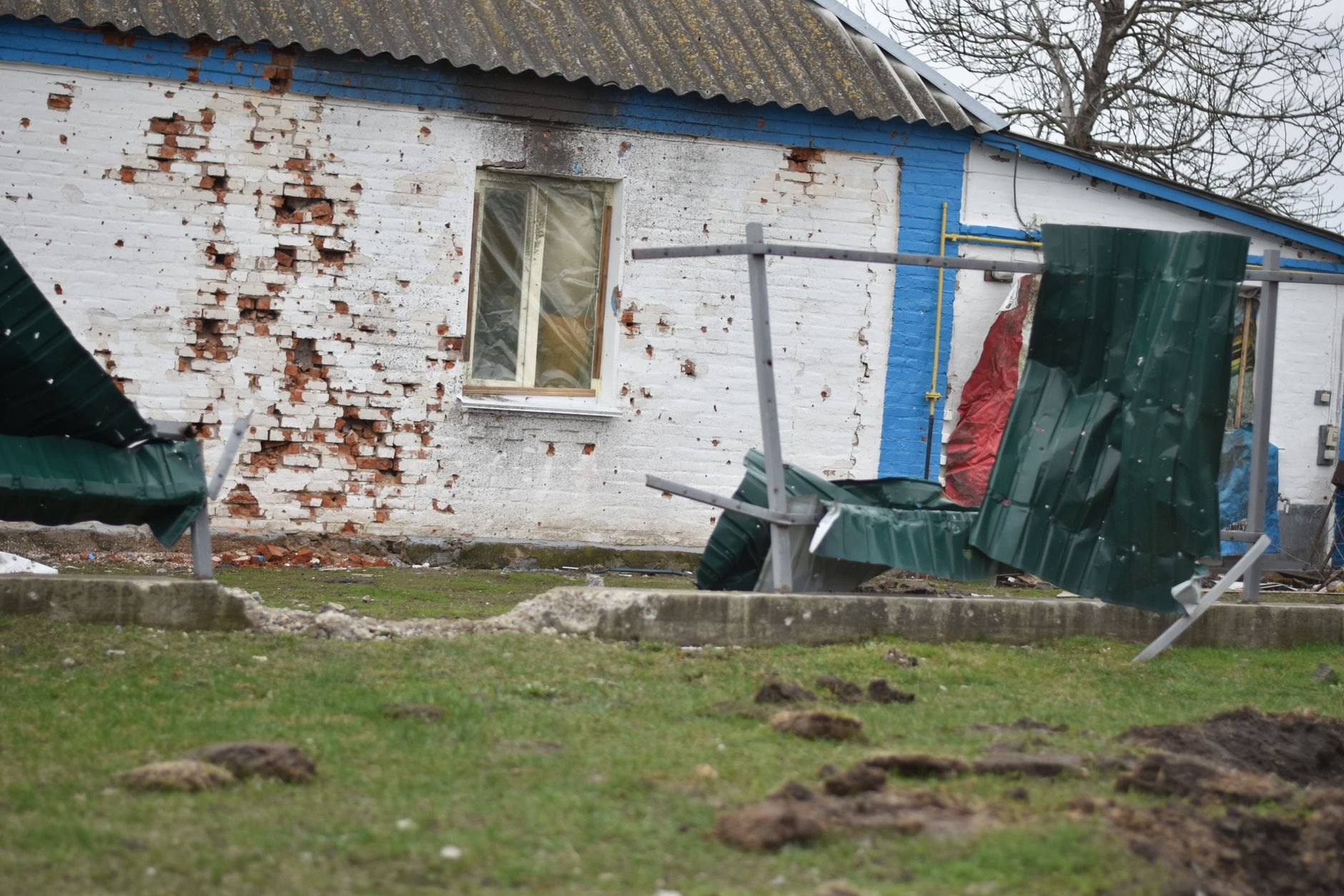
What Buyers Look At in a Fire-Damaged House
A buyer will not only look at the burned area. They will look at how far the damage spread and what it will take to make the home safe again. Common review points include:
- Structural damage: framing, joists, trusses, foundation, walls, and roof supports.
- Electrical safety: melted wiring, damaged panels, smoke exposure, and whether licensed inspection is needed.
- Smoke and soot: odor, staining, HVAC contamination, attic damage, and cleaning costs.
- Water damage: moisture from firefighting, drywall damage, flooring issues, and mold risk.
- Permits and code: whether repairs must meet current code before occupancy or resale.
- Market value after repair: what the property could reasonably sell for once restored.
These factors drive the offer. A buyer who must replace the roof, rewire the house, remediate smoke, and pull permits will price that work into the offer. That is normal. The benefit for you is that you may not have to manage or pay for that work yourself.
How the Cash Sale Process Usually Works
The process is usually more straightforward than a traditional listing. You share the property address, describe the damage, provide photos or reports if you have them, and schedule a review. The buyer estimates repair costs and makes an offer based on the current condition of the home.
If you accept, the buyer typically opens escrow or uses a title company. They check title, confirm payoff amounts for any mortgage or liens, and set a closing date. Depending on the buyer and property, some cash sales can close quickly, while others take longer if title, insurance, probate, liens, or city issues need to be sorted out.
You should still read the contract carefully. Watch for inspection periods, assignment language, closing costs, and any terms that let the buyer reduce the price later. A fair cash offer should be clear about the price, timeline, and what costs you are responsible for.
Mistakes to Avoid When You Sell Fire Damaged House
Do not start major repairs without understanding the full scope. Fire damage can hide inside walls, attics, ductwork, and electrical systems. A cheap cosmetic repair can backfire if deeper problems show up during inspection.
Do not assume your insurance payout and sale plan are separate. Ask your insurer how claim proceeds, repair requirements, lender involvement, and selling the property could affect the process. If there is a mortgage, the lender may have rights related to insurance funds.
Do not accept the first number without comparing your realistic options. A cash offer, a repaired listing, and an as-is MLS listing can each make sense in different cases. What matters is which one gives you the best mix of money, certainty, speed, and stress reduction.
Sell Fire Damaged House FAQ
Do I have to disclose fire damage?
In most home sales, known material defects should be disclosed. Fire history, smoke damage, structural concerns, electrical issues, water damage from firefighting, and completed repairs can all affect a buyer's decision. Disclosure rules vary by state, so confirm local requirements before signing.
Can I sell before the insurance claim is finished?
Sometimes, but talk to your insurer and lender first. Claim proceeds, mortgage requirements, repair funds, and settlement timing can affect what happens at closing.
Will a bank finance a fire-damaged house?
Major fire damage can make financing harder because lenders usually care about safety, habitability, and insurability. That is one reason many damaged homes sell to cash buyers or investors.
What documents help the sale?
Helpful documents include the fire report, insurance adjuster notes, contractor estimates, inspection reports, permit records, repair receipts, and photos of the damage before and after any cleanup.
Bottom Line: You Have Options After a Fire
A fire-damaged house can feel hard to sell, but it is not unsellable. If the home is repairable and you have the funds, restoring it before listing may bring a higher price. If you want to avoid repairs, inspections, contractors, and months of uncertainty, selling as-is to a cash buyer can be the cleaner path.
The best move is to get real numbers. Compare the cost and timeline of repairs against an as-is cash offer. Once you see both sides, the decision becomes much less emotional and much more practical.
See What Your Property Could Be Worth As-Is
Cha-Ching Co can help you compare your options with a free cash offer for your fire-damaged house.
Disclaimer: This article is for general informational purposes only and is not legal, financial, insurance, or real estate advice. Fire damage, disclosure rules, insurance claims, and sale requirements vary by state and property. Speak with a qualified local professional before making decisions about your home.