A search for sell car with high mileage advice can make the number on the odometer feel like the only thing that matters. It is not. Buyers also care about maintenance, condition, title status, accident history, and whether the car can be driven safely today. The best approach is to document what is good, price the car for its real condition, and choose a buyer whose expectations match the vehicle.
Want a Simple Way to Compare Your Options?
Request a free cash offer from Cha-Ching Co with no obligation to accept.
Can You Sell a Car With High Mileage?
Yes. A high-mileage car can be sold privately, traded in, offered to an online or local car buyer, or sold to a salvage buyer. There is no universal mileage cutoff that prevents a sale. A cared-for car with 160,000 miles may be more appealing than a neglected car with 90,000 miles.
Buyers usually put the most weight on whether the engine and transmission work properly, whether warning lights are on, and whether the vehicle has serious rust or structural damage. They may also consider the popularity of the make and model, local demand, fuel economy, and the cost of likely repairs.
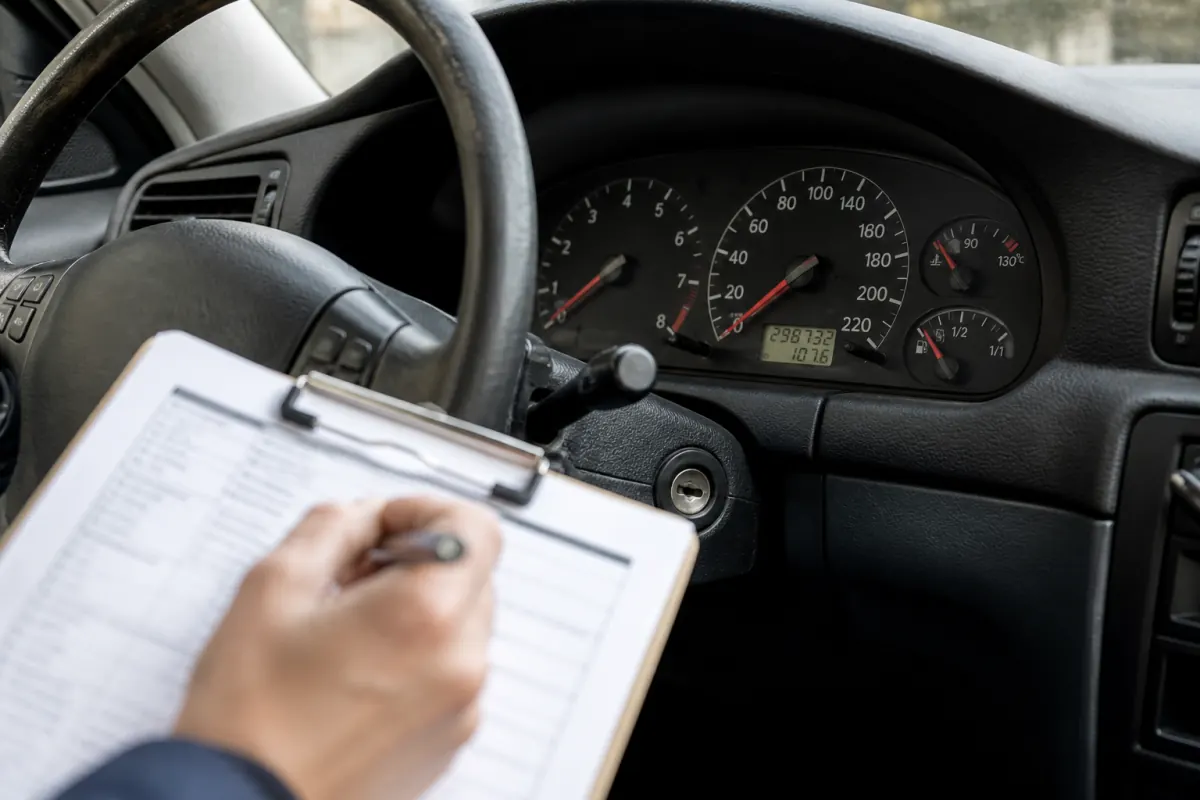
The title and odometer reading matter too. Federal rules generally require an odometer disclosure when ownership is transferred, although exemptions can depend on vehicle age and state procedure. Your state motor vehicle agency controls the exact title, bill of sale, emissions, and notice-of-transfer requirements. Check its current instructions before the handoff.
What Counts as High Mileage When You Sell a Car?
There is no official definition. Many shoppers start calling a car high mileage after 100,000 miles, but age changes the picture. A 10-year-old vehicle with 120,000 miles has averaged about 12,000 miles per year. A four-year-old vehicle with the same mileage has been used much more heavily.
Highway miles can be easier on brakes and driveline components than constant short trips, but a seller should not claim that all miles were highway miles without records or a clear basis. Service history is more useful than a vague promise. Oil-change receipts, timing-belt replacement records, tire invoices, and major repair documentation help a buyer understand what has already been handled.
How Buyers Price a High-Mileage Car
Start with pricing guides and current listings for the same year, trim, drivetrain, and approximate mileage. Asking prices are not completed sale prices, so treat them as a ceiling rather than proof of value. Then account for the items a buyer will have to fix soon.
- Mechanical condition: Engine noise, slipping transmission, overheating, leaks, and warning lights can reduce an offer sharply.
- Maintenance history: Organized records reduce uncertainty, especially when an expensive scheduled service was completed.
- Body and interior: Rust, collision damage, torn seats, odors, and broken electronics all affect value.
- Tires and brakes: Worn safety items are immediate expenses for the next owner.
- Title and history: A clean title often attracts more buyers than a salvage or rebuilt title. Prior accidents can affect price even after repairs.
- Local demand: A working pickup, fuel-efficient commuter, or dependable all-wheel-drive vehicle may have a stronger local market than a less practical model.
If the repair list is long, compare the car's estimated private-party value in repaired condition with its value as-is. Our guide to selling a car with mechanical issues explains how to make that comparison without hiding defects.
Best Ways to Sell a Car With High Mileage
Private-party sale
A private buyer may pay more than a dealer because there is no resale margin in the middle. The tradeoff is time. You may need to take photos, answer messages, arrange test drives, verify payment, and complete the paperwork yourself. This route fits a safe, running car with good records and enough remaining value to justify the effort.
Dealer trade-in
A trade-in is convenient if you are buying another vehicle. The dealer handles much of the transaction, and in some states a trade-in may affect the taxable amount on the replacement vehicle. Offers can be conservative because the dealer must inspect, recondition, wholesale, or resell the car.
Direct cash buyer
A direct buyer can be a practical middle ground when you value speed and a simpler handoff. Ask whether towing is included, whether the initial quote can change after inspection, and what paperwork is required. Get the final terms in writing before releasing the keys or title.
Salvage or junk buyer
If the car does not run, has major damage, or would cost more to repair than it is likely to sell for, a salvage buyer may make more sense. Offers often reflect reusable parts, vehicle weight, local scrap prices, towing distance, and title status. You can review the main factors in our junk car value guide.
See What Your High-Mileage Car Could Be Worth
Share the vehicle details and get a free cash offer from Cha-Ching Co.
How to Prepare Before You Sell a Car With High Mileage
- Gather the paperwork. Find the title, loan payoff information if applicable, registration, maintenance records, spare keys, and any state-specific forms.
- Confirm the payoff. If a lender still holds a lien, ask for the current payoff amount and the lender's transfer process before accepting an offer.
- Remove personal data. Delete saved addresses, paired phones, garage-door codes, and app accounts from the infotainment system.
- Clean it reasonably. A wash, vacuum, and removal of clutter can improve presentation. Expensive detailing rarely fixes a weak mechanical condition.
- Document the condition. Photograph every side, the interior, tires, odometer, dashboard with the engine running, and visible damage. Honest photos reduce wasted appointments.
- Get more than one offer. Compare the net amount after towing, inspection adjustments, listing fees, and the time required to complete the sale.
A pre-sale inspection can help if the car runs well and you expect a private buyer to pay a meaningful premium. It may be unnecessary for a low-value, non-running car being sold as-is. Do not clear warning codes just to hide a problem. A buyer may scan the car, and nondisclosure can create a dispute after the sale.
Repairs That May Help and Repairs That Usually Do Not
Small fixes can make the car easier to evaluate: replacing a dead bulb, repairing a cheap wiper, topping up approved fluids after checking for leaks, or installing a missing inexpensive trim piece. Keep receipts and avoid making safety repairs you are not qualified to perform.
Large speculative repairs are different. A new transmission, engine rebuild, full repaint, or expensive cosmetic restoration may not return its cost in the sale price. Get written estimates, compare as-is offers, and do the math before authorizing work. If a buyer specializes in older vehicles, the buyer may prefer to handle repairs through its own shop or wholesale channel.
How to Write an Honest High-Mileage Car Listing
Lead with the basics: year, make, model, trim, mileage, title status, running condition, and asking price. Mention recent maintenance with dates or mileage. Describe known defects plainly. Instead of saying "needs a little work," say "air conditioning does not blow cold" or "check-engine light is on for code P0420," if you have verified that information.
Do not promise that the car is flawless, safe for a cross-country trip, or certain to last a specific number of miles. You cannot know how a used component will behave tomorrow. A clear listing attracts buyers who are comfortable with the car as it actually sits.
Paperwork and Payment Safety
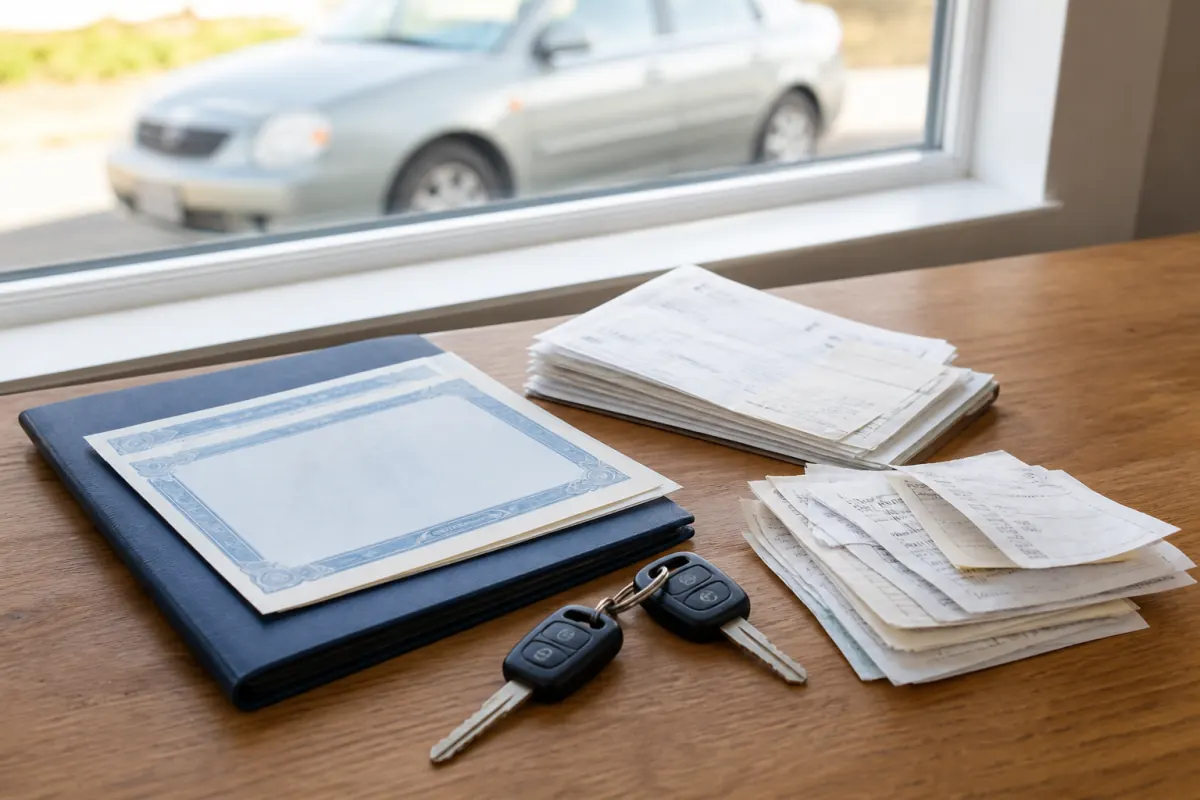
Use the title exactly as your state requires. Complete the odometer section accurately, record the buyer's legal name and address where required, and keep a copy of the signed bill of sale. Submit a release of liability or notice of transfer promptly if your state offers one. Remove plates only when state rules say to do so.
For a private sale, meet in a safe public place or at the buyer's bank. Confirm a cashier's check with the issuing bank rather than relying on the paper alone. Do not accept an overpayment, send money to a shipper, or hand over the signed title before payment is verified. For an electronic payment, confirm that funds are settled and available, not merely shown in a screenshot.
Frequently Asked Questions
Should I sell my high-mileage car before it reaches 100,000 miles?
Not automatically. Some shoppers filter at round mileage numbers, so crossing 100,000 miles can narrow the audience. But selling a reliable car early may cost more than keeping it. Compare expected maintenance, current offers, insurance, and the cost of a replacement.
Can I sell a car with more than 200,000 miles?
Yes. The likely buyer pool and price will be smaller, but running cars with clean paperwork still sell. Good records and a model known for durability can help. Non-running vehicles may still have parts or scrap value.
Do I need to disclose every problem?
Disclosure duties vary by state and transaction type. Never misstate the mileage, title status, accident history, or a known material defect. Review your state motor vehicle agency's current forms and instructions, and get legal advice if you are unsure about a serious issue.
Will a cash buyer purchase a high-mileage car that does not run?
Some will. Confirm that the buyer accepts non-running vehicles and ask whether pickup is free. Describe the condition accurately so the offer is based on the right vehicle details.
The Bottom Line
To sell a car with high mileage, focus on proof instead of promises. Gather maintenance records, disclose the condition, compare net offers, and choose the sale method that fits the car's value and your available time. A clean, well-documented transaction is worth more than chasing an unrealistic asking price for weeks.
Ready for a No-Obligation Offer?
Cha-Ching Co can provide a free cash offer based on your car's actual condition.
Disclaimer: This article is for general informational purposes only and is not legal, tax, financial, or mechanical advice. Vehicle sale, title, odometer, emissions, plate, and disclosure requirements vary by state and can change. Check with your state motor vehicle agency and qualified professionals before completing a transaction. Any offer depends on vehicle details, condition, location, market demand, and verification.