Can you sell a house without an inspection? Yes, in many situations. Sellers generally do not have to order a pre-listing inspection, and a buyer may choose to waive a standard home inspection if the contract allows it. That does not erase your duty to disclose known material defects, and it does not prevent a lender from requiring an appraisal or property-related repairs. The exact rules depend on your state, the purchase contract, and the buyer's financing.
Want to sell without preparing for a long inspection process?
Tell Cha-Ching Co about your property and request a free cash offer with no obligation.
Can you sell a house without an inspection as the seller?
Usually, yes. There are two inspections people often mix up:
- A pre-listing inspection is ordered by the owner before the home goes on the market. It can reveal problems early, but it is usually optional.
- A buyer's inspection is ordered after an offer is accepted. Whether the buyer can inspect, renegotiate, or cancel depends on the contract.
You can list a home without paying for your own inspection. A buyer can also submit an offer without an inspection contingency. In that case, the buyer is agreeing to take more risk. You should not pressure a buyer to skip due diligence or suggest that waiving an inspection eliminates your legal responsibilities.
Selling without an inspection does not mean hiding defects
Skipping an inspection and skipping disclosure are different things. State and local laws often require sellers to disclose known material defects, though the forms, timing, and exemptions vary. Common examples may include past flooding, roof leaks, foundation movement, electrical problems, unpermitted work, pest damage, or environmental hazards.
The National Association of Realtors notes that knowingly withholding required information can expose a seller to cancellation of the sale or legal liability. If you are unsure whether an issue must be disclosed, ask a local real estate attorney or licensed agent who understands your state's rules. Do not guess on a legal form.
An inspection can create new knowledge. Once a seller receives a report, disclosed findings may need to be shared with future buyers under applicable law. That is one reason some owners decide against a pre-listing inspection. On the other hand, discovering a problem early can make pricing and negotiations less chaotic.

What happens when the buyer wants an inspection?
A buyer will often make the purchase contingent on a satisfactory inspection. The contract normally gives the buyer a limited period to hire an inspector and respond to the findings. Depending on the language, the buyer may be able to accept the property, request repairs or a credit, renegotiate the price, or cancel.
The Consumer Financial Protection Bureau explains that buyers with a satisfactory-inspection contingency may have the right to cancel without penalty if they are unhappy with the results. The contract controls the details. Deadlines and remedies are not identical in every transaction.
You do not have to agree to every repair request. You may counteroffer, offer a closing credit where permitted, reduce the price, or hold firm. The buyer may then continue or exercise whatever cancellation rights the contract provides.
Prefer a simpler as-is conversation?
Request a free cash offer from Cha-Ching Co and compare it with your other selling options.
Can you sell a house without an inspection to a cash buyer?
Cash makes it easier to close without a lender, but it does not automatically remove inspections. Some cash buyers inspect carefully. Others do a shorter walkthrough, request access for contractors, or price the property based on visible condition and the risk of hidden repairs.
A direct cash buyer may be more comfortable purchasing a house as-is because the buyer has already budgeted for repairs. That can be useful when the property has major deferred maintenance or when the owner does not want to coordinate contractors. If the home has serious physical issues, read our guide to selling a house with foundation problems.
Compare the net proceeds, not just the headline offer. A lower as-is price may still make sense if it avoids commissions, repairs, concessions, cleaning, and a long holding period. But a well-maintained home might bring more on the open market even after ordinary selling costs.
An appraisal is not the same as a home inspection
A buyer can waive a home inspection and still need an appraisal. The appraisal primarily supports the lender's value decision. It may include observations about condition, but it is not a detailed examination of the roof, plumbing, wiring, foundation, HVAC system, and other components.
HUD states that FHA does not perform a home inspection and that an appraisal does not replace one. VA guidance makes the same distinction. FHA and VA appraisals can still identify property conditions that must be corrected for the loan to close. Conventional lenders may also impose conditions when an appraisal reveals serious safety, habitability, or structural concerns.
This means an offer with no inspection contingency is not necessarily free of property-related hurdles. Ask the buyer or their lender which appraisal and property standards apply before you rely on a fast closing date.
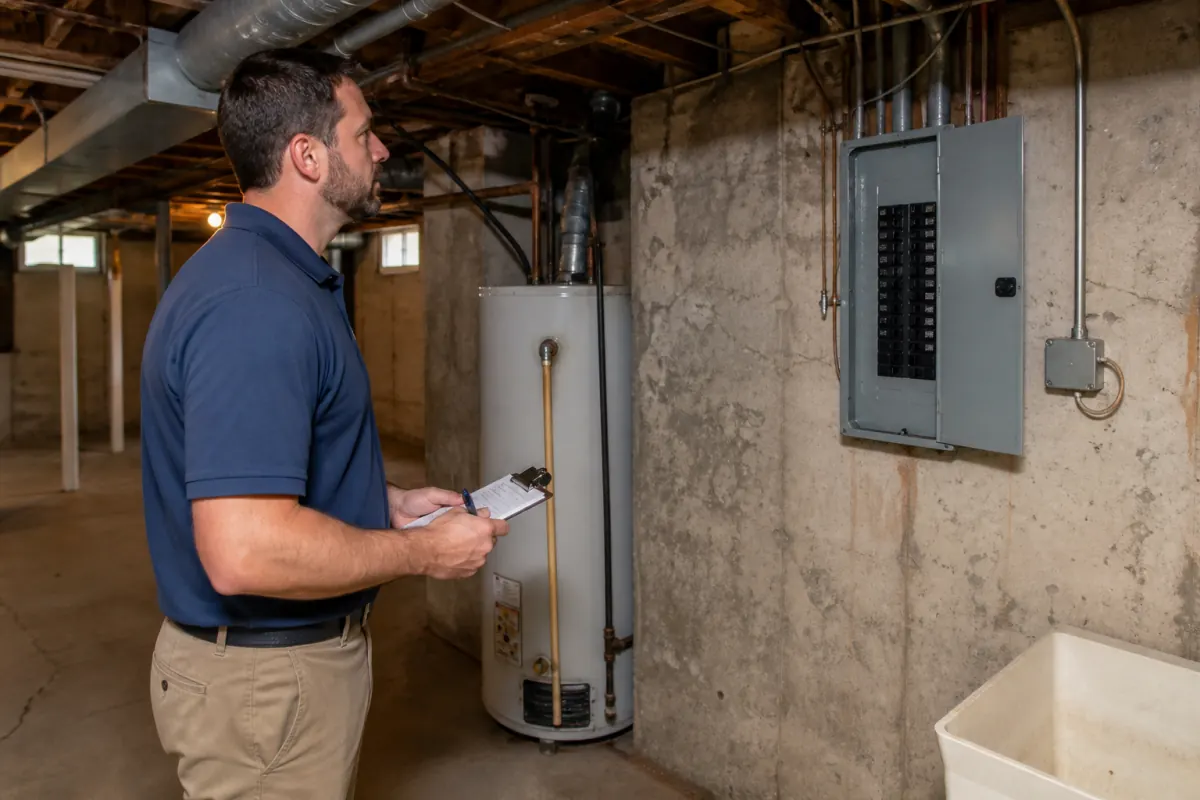
Pros and cons of selling without a pre-listing inspection
Possible advantages
- You avoid paying for a report before you know whether it will help the sale.
- You do not delay the listing while arranging the inspection.
- You avoid receiving an overly broad repair list that may complicate disclosures and pricing.
- You can sell as-is and let buyers evaluate the property on their own terms.
Possible drawbacks
- A buyer's report may uncover an expensive surprise after you are under contract.
- Late discoveries can lead to credits, price cuts, delays, or a canceled deal.
- You may set the asking price without a clear picture of the home's condition.
- If one deal falls apart, you may need to disclose newly discovered defects to later buyers.
A pre-listing inspection tends to be more useful when you want control over repairs, the home is older, or you suspect buyers will be nervous about a specific system. Skipping it can be reasonable when you already plan to sell as-is, have limited time or cash, or are working with a buyer who accepts the property's condition.
How to sell a house without an inspection safely
- Review local disclosure requirements. Use the correct state and local forms. Ask for legal help if ownership, probate, tenant, environmental, or title issues make the sale unusual.
- Describe the sale accurately. "As-is" usually means you do not plan to make repairs. It does not normally give permission to conceal known defects.
- Gather records. Collect permits, invoices, warranties, insurance claims, repair documents, utility information, and prior reports. Organized records can answer buyer questions without guesswork.
- Decide which offers fit your priorities. Compare price, financing, inspection language, appraisal terms, closing date, proof of funds, earnest money, and the buyer's right to cancel.
- Put every agreement in writing. Verbal promises about repairs or waived contingencies can create confusion. Use signed contract documents prepared or reviewed by qualified local professionals.
- Allow agreed access. Even when a buyer waives a formal inspection, the contract may allow a walkthrough, appraisal, contractor visit, or specialized test.
If the house needs work and you are weighing repair costs against convenience, see our practical guide to selling a fixer-upper without wasting money on the wrong repairs.
When selling without an inspection may make sense
There is no single best choice for every owner. A no-inspection sale may fit when the property is inherited, vacant, badly damaged, or too expensive to repair. It may also fit a seller who values a predictable timeline more than squeezing out the highest possible price.
Still, convenience has a price. Investors and cash buyers account for repair risk in their offers. Get more than one offer when possible, confirm who pays closing costs, and check for assignment clauses or cancellation rights. A serious buyer should be able to explain the offer and provide proof of funds without manufactured pressure.
Frequently asked questions about selling without an inspection
Can a seller refuse a home inspection?
A seller can reject an offer that requires an inspection or negotiate different terms. After signing a contract, both parties must follow the access and contingency provisions they accepted.
Does selling as-is prevent the buyer from inspecting?
No. An as-is clause and an inspection waiver are separate contract terms. A buyer may inspect for information while agreeing that the seller will not make repairs.
Can a buyer waive an inspection?
Often, yes, if local rules and the contract permit it. Buyers should understand that waiving an inspection can expose them to hidden repair costs. Some buyers use a limited inspection, a short due-diligence period, or an information-only inspection instead.
Will FHA or VA financing require a home inspection?
FHA and VA guidance distinguish an appraisal from a home inspection and do not generally require the buyer to order a standard home inspection. Their appraisals can require repairs when the property does not meet program standards.
The bottom line
You can often sell a house without an inspection, especially if you skip a pre-listing report or accept an offer with no inspection contingency. The safest route is honest disclosure, clear written terms, and realistic expectations about appraisals and repair risk. Review the contract carefully and get local legal guidance when the property's condition or ownership is complicated.
See what an as-is cash sale could look like
Share a few property details with Cha-Ching Co and get a free cash offer to compare with a traditional sale.
Disclaimer: This article provides general educational information and is not legal, tax, financial, or real estate advice. Inspection, disclosure, contract, and lending requirements vary by state and transaction. Consult a licensed local real estate professional or attorney about your situation.