If you are figuring out how to sell unwanted jewelry, the hardest part is not finding someone willing to buy it. The hard part is knowing what you own, choosing the right type of buyer, and comparing offers without confusing an insurance appraisal with real resale value. A broken gold chain, a signed designer bracelet, and a diamond engagement ring should not automatically go to the same place.
This guide walks through a careful sale from the first sort to the final payment. You will learn how to identify your pieces, estimate a realistic baseline, compare selling channels, document condition, and spot common scams. The goal is a fair, informed transaction, not a rushed decision.
Want a straightforward option?
Cha-Ching Co can help you request a free cash offer and compare it with your other options.
How to sell unwanted jewelry: sort before you price
Start by separating pieces into sensible groups. Put solid gold, sterling silver, platinum, costume jewelry, watches, signed or branded pieces, and stone-set jewelry into different piles. Keep matching earrings and complete sets together. Do not polish antique pieces aggressively or remove stones. Cleaning can damage finishes, loosen settings, or reduce collector appeal.
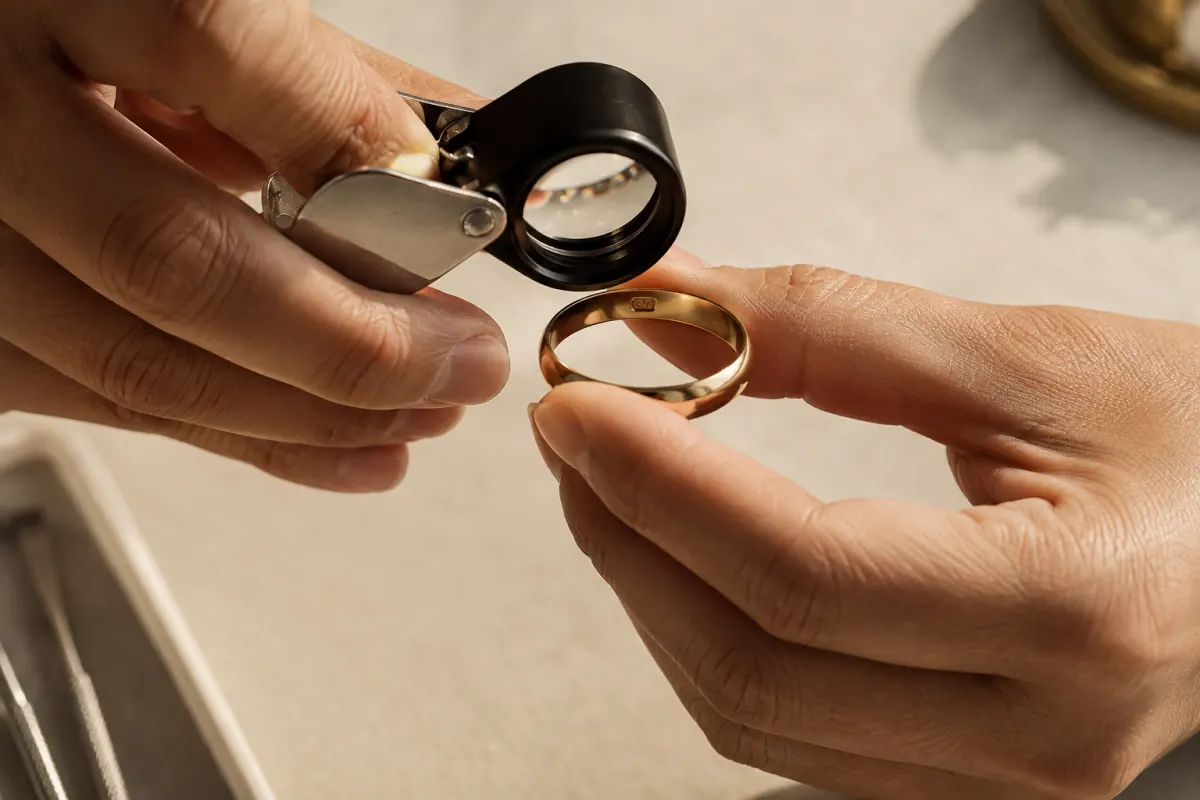
Look for stamps in discreet places: inside a ring, near a necklace clasp, on the back of a pendant, or beneath a watch case. Common gold marks include 10K, 14K, 18K, 417, 585, and 750. Sterling silver is often marked sterling or 925. A mark such as gold-filled, GF, RGP, vermeil, or electroplate does not mean the piece is solid gold. The Federal Trade Commission explains the differences among common precious-metal descriptions.
A stamp is useful evidence, but it is not proof by itself. Marks can be missing, worn, misleading, or counterfeit. If a piece may be valuable, have a qualified professional test it before describing it to a buyer. Photograph every stamp and note any scratches, missing stones, repairs, or broken clasps.
Gather documents and identify pieces with extra value
Search for original receipts, grading reports, appraisals, branded boxes, serial numbers, repair records, and any reliable provenance. These records can help distinguish a signed piece or documented gemstone from an anonymous item sold mainly for material value. They can also make a buyer more comfortable with authenticity.
Pay special attention to maker marks and signatures. Jewelry from a recognized designer, a well-documented antique piece, or a watch with its original papers may be worth more intact than its metal alone. Selling such an item strictly for scrap could leave money on the table.
Gemstones need separate treatment. A diamond's price depends on carat weight, cut, color, clarity, treatments, and whether it is natural or laboratory-grown. Colored stones have their own quality factors. A laboratory report documents characteristics, but it does not promise a selling price. GIA notes that it does not provide appraisals or assign monetary value to jewelry. For a potentially important piece, use an independent appraiser who clearly states the purpose of the appraisal.
Estimate a resale baseline without fooling yourself
Insurance replacement value, retail asking price, fair-market value, and a buyer's cash offer are different numbers. An insurance appraisal may estimate what it would cost to replace an item at retail. A cash buyer must account for testing, refining, inventory risk, labor, and resale costs. That gap can feel disappointing, but it is normal.
For plain precious-metal jewelry, a rough melt-value estimate can provide a baseline:
estimated pure-metal weight = gross metal weight × fineness
For example, 14K gold is 14 parts gold out of 24, or about 58.5% gold. A 10-gram piece made entirely of 14K gold would contain roughly 5.85 grams of pure gold. Stone-set jewelry is less simple because the gross weight includes stones, springs, solder, and other materials. Do not treat a home calculation as an exact payout.
Use grams or troy weight consistently. One troy ounce is about 31.103 grams, while an ordinary household ounce is different. NIST publishes precious-metal conversion information. If you want to understand the buyer's deductions, read our explanation of how gold buyers determine value.
How to sell unwanted jewelry through the right channel
The best outlet depends on what the piece is and how much time you want to spend. There is no single buyer that pays best for every category.
- Local jeweler or precious-metal buyer: Often the quickest route for gold, silver, and platinum. Ask whether the offer is based on melt value, resale value, or both. Request the weight, purity, and deductions in writing.
- Specialist estate or designer-jewelry buyer: A better fit for signed, antique, or unusually well-made pieces. The buyer may recognize value that a scrap counter will miss.
- Consignment shop or auction house: Useful for rare or higher-value jewelry when you can wait. Ask about seller commissions, photography fees, insurance, reserves, payment timing, and charges if the piece does not sell.
- Online marketplace: May reach more retail buyers, but you handle listings, questions, returns, shipping, fees, and fraud risk. Platform authentication programs can help for eligible pieces, but rules change, so check current terms before listing.
- Private local sale: Can avoid some platform fees, but it places more responsibility on you for payment verification, personal safety, and disputes.
Get at least two or three written offers for anything you believe is valuable. Compare net proceeds, not just the headline price. A $1,000 auction result is not a $1,000 payout if commissions, insurance, shipping, and other charges reduce what you receive.
Compare before you commit
Request a free cash offer from Cha-Ching Co, then weigh it against local, auction, and marketplace options.
Ask every buyer the same questions
A fair comparison requires consistent information. Ask how the buyer tested the metal, what weight and purity they recorded, whether stones were included in the offer, and what deductions or fees apply. If a gemstone or designer name adds nothing to the offer, ask whether you can remove the stone or seek a specialist opinion before selling.
Also ask when and how you will be paid, whether an offer can change after inspection, who carries the risk during shipping, and how rejected items are returned. Read the full agreement before handing over or mailing jewelry. If the buyer pressures you to accept immediately or will not explain the calculation, leave.
It helps to make a simple comparison sheet with the buyer's name, date, tested purity, measured weight, gross offer, fees, shipping cost, return terms, and final net amount. For gold pieces, our guide to the difference between gold value and a cash offer explains why quotes vary.
Prepare an honest listing if you sell it yourself
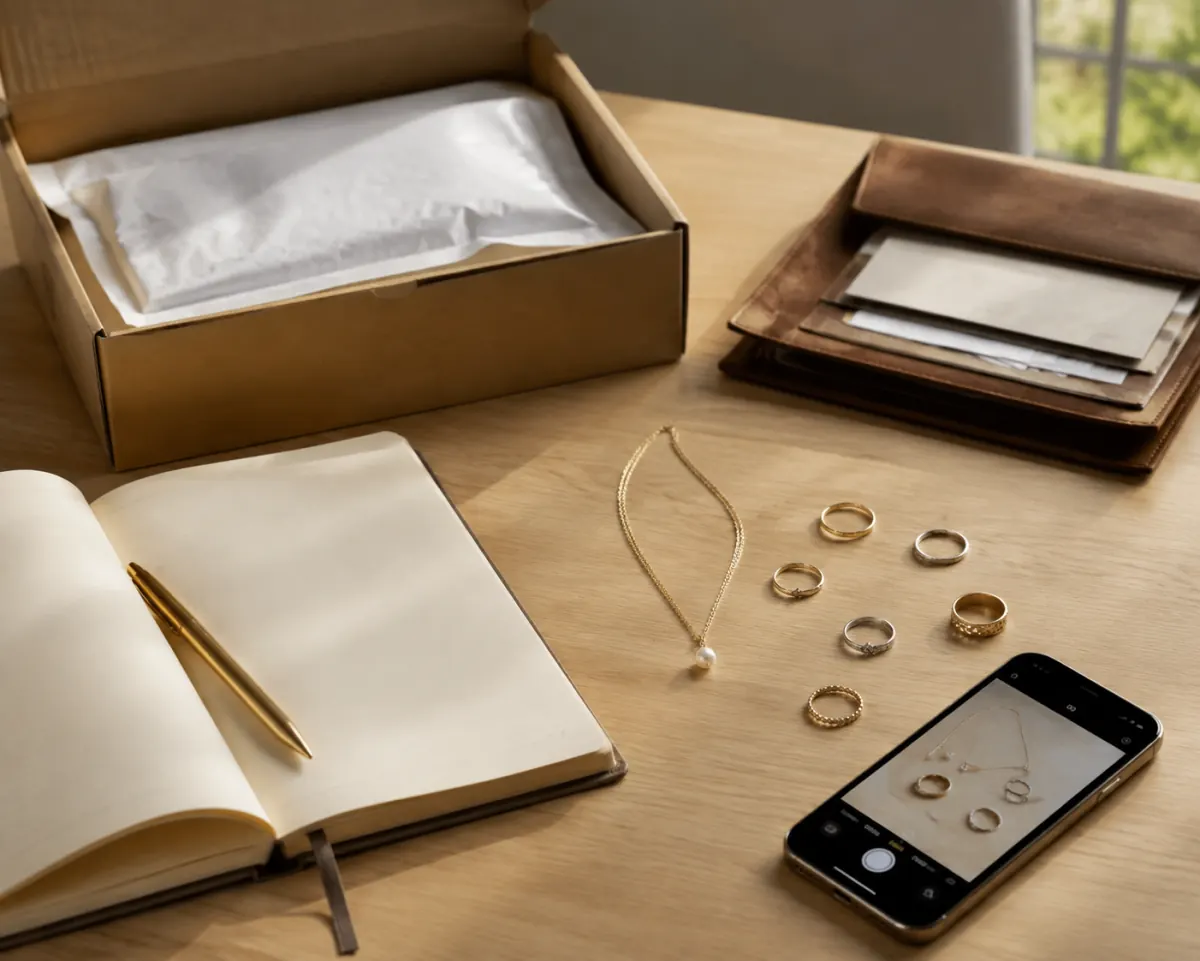
Photograph the front, back, clasp, hallmark, maker mark, setting, and every visible defect in bright indirect light. Add a ruler or include exact measurements. State the weight, but specify whether it includes stones. Describe repairs, resizing, missing parts, plating, known treatments, and whether a gemstone is natural, laboratory-grown, simulated, or unknown.
Do not claim a brand, metal purity, gemstone identity, or appraisal value you cannot support. The FTC Jewelry Guides address representations about metal content, gemstones, treatments, origin, price, and value. If you are uncertain, say so and arrange professional testing rather than guessing.
Protect the payment and shipment
Online-sale scams often rely on urgency and fake proof of payment. Verify money inside the payment platform or your actual bank account. Do not rely on an email, screenshot, or text claiming the buyer paid. Never send back an accidental overpayment, buy gift cards, pay a supposed courier, or share a verification code. The FTC warns that a fake check can appear available before the bank later discovers it is counterfeit.
Keep conversations and payment inside the marketplace when its seller protection requires that. For a local exchange, meet in a secure public setting during business hours and avoid disclosing your home address. For shipped sales, photograph the item immediately before packing, use strong tamper-evident packaging, buy adequate insurance, keep the acceptance receipt, and require tracking and signature confirmation when appropriate. Follow the carrier's rules for jewelry and precious metals because coverage exclusions can be specific.
Keep records for taxes and future questions
Save documents showing what you paid, any inherited or gifted basis information, selling fees, shipping costs, and what the buyer paid. In the United States, a gain on personal-use jewelry is generally taxable, while a loss on personal-use property is generally not deductible. Tax treatment depends on the facts, and receiving or not receiving a payment form does not by itself decide whether income is taxable. Check current IRS guidance for online sellers or speak with a tax professional.
A practical final checklist
- Separate jewelry by metal, brand, age, and gemstone type.
- Photograph hallmarks, maker marks, condition, and accessories.
- Collect receipts, reports, appraisals, boxes, and repair records.
- Obtain professional testing or appraisal for pieces that may have value beyond scrap.
- Get multiple offers and compare the net amount after every fee.
- Verify payment independently and use safe, insured delivery.
- Keep the sale and basis records for tax purposes.
Knowing how to sell unwanted jewelry comes down to matching the piece with the right buyer and making the offer transparent. Slow down long enough to identify what you own. A few photos, records, and competing quotes can prevent an avoidable mistake.
Ready to see what your jewelry could bring?
Start with a free cash offer from Cha-Ching Co. There is no obligation to accept.
Disclaimer: This article provides general educational information and is not legal, tax, appraisal, or financial advice. Jewelry values, buyer requirements, platform rules, shipping coverage, and laws vary by item and location. Verify current terms and consult a qualified appraiser, attorney, or tax professional for advice about your situation. Cha-Ching Co does not guarantee any offer, valuation, or sale outcome.