Can you junk a car with a lien on it? Usually, you need to resolve the lienholder's interest before a salvage yard can take clear ownership. A damaged car can be worth far less than the loan balance, which makes the problem feel especially unfair. The practical first step is to find out who holds the lien, what you owe, and what paperwork your state's motor vehicle agency and the buyer will accept. Do not assume that handing over the keys ends the loan.
Check your options for an unwanted car
Once you understand the lien and title requirements, you can request a free cash offer for the vehicle.
Can you junk a car with a lien on it if it no longer runs?
A blown engine does not erase a lender's security interest. A lien means another party, often a bank or finance company, has a legal interest recorded against the vehicle. New York's DMV explains that the lienholder appears on the title certificate and DMV records. The same basic concern applies when the car is headed to a dismantler instead of another driver: the recipient needs acceptable ownership documents, and the lender's recorded interest cannot simply be ignored.
Rules differ by state. California DMV, for example, says an individual must apply to record a vehicle as junk before dismantling it and submit evidence of ownership. That is one state's procedure, not a universal national form. Ask the motor vehicle agency where your car is titled about the exact transfer and junking paperwork. Ask the salvage yard what it needs before arranging a tow. A yard may decline the vehicle until the lien is released, or a lender-approved transaction is documented.
The distinction matters: a lender may agree to a particular sale process, but a seller should not treat verbal permission as a substitute for the paperwork required by the state or buyer. Get the process in writing. Keep copies of the payoff quote, lien release, title, bill of sale, tow receipt, and any DMV notice.
How to check the lien before calling a junkyard
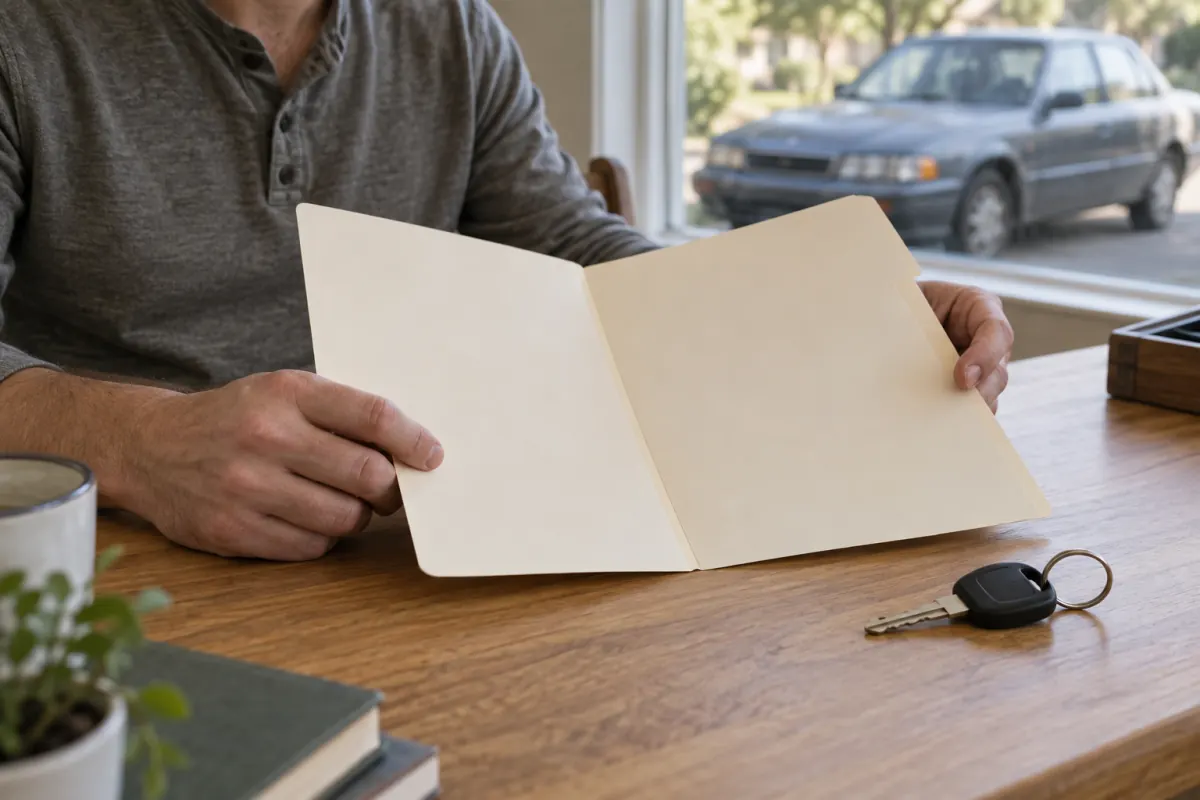
Start with the title or current registration record. The title may show a bank, credit union, title-loan company, or another creditor. If the loan was paid years ago but the lien still appears, the problem may be documentation rather than a current balance. Contact the listed lienholder for proof that the lien was satisfied. If that institution merged or closed, your DMV can explain what substitute proof it accepts. Do not assume a bank statement or a paid-off feeling is enough.
For an active loan, request a written payoff quote and its good-through date. Ask whether there are per-diem interest charges, how the lender handles insurance proceeds if the car was damaged, and how it releases its interest after payment. If the title is held electronically or by the lender, ask when the title or release will be available. These are process questions, not a promise that the lender will approve junking.
New York DMV provides a useful example of why the documents matter. It says that when a vehicle is sold with a lien still printed on the title, the seller may provide the original title and original proof that the lien has been satisfied; without that original proof, the lien can remain on the new owner's title. Your state may handle titles differently, so confirm the local requirements rather than copying New York's form.
Can you junk a car with a lien on it by paying the lender from the sale?
Possibly, if the lender, buyer, and state paperwork all support that arrangement. Compare the written salvage offer with the exact payoff. If the offer covers the payoff, ask whether the buyer can pay the lienholder directly and how any remainder reaches you. Do not hand over possession based on a promised future payment unless you understand and accept the risk. Confirm when the lender will release the lien and when the buyer can lawfully take title.
If a non-running car's salvage offer is less than the loan balance, you will have a shortfall to address. That gap does not disappear because the car is scrapped. You may need to pay the difference from your own funds, work out another arrangement with the lender, or keep the car while you consider repair or another sale route. The lender is the one to ask about the terms of your account. A junk buyer cannot forgive a lender's balance for you.
For example, suppose the written payoff is $4,000 and the best documented salvage offer is $600. The shortfall is $3,400 before any fees or other adjustments. That example is arithmetic, not a typical offer or an estimate of what your vehicle is worth. Compare multiple offers, because pickup, parts demand, and local scrap conditions can change the net amount.
Get a number you can compare
A free cash offer can help you compare a vehicle's sale value with the lender's payoff. It does not clear a lien by itself.
What if the loan is already paid but the lien remains on the title?
Ask the lender for a formal lien release or satisfaction document. Verify that the vehicle identification number and lender name match your title. New York DMV lists an authorized lender-signed notice or a lender letter meeting its requirements as acceptable proof; it also distinguishes between giving the original release to a buyer and applying for a new lien-free title. That is a helpful illustration, not a rule for every state.
Some states use electronic lien and title systems. In those places, the lender may release its interest electronically, but you may still need additional steps to obtain a paper title or transfer the vehicle. Check the title status with your DMV before scheduling removal. If a buyer says it can take a car without release paperwork, ask exactly which legal process it is using and verify that process with the DMV. A shortcut that leaves the lien on record can cause trouble later.
What if you cannot afford the payoff?
Call the lender before the car disappears. Explain the vehicle's condition, whether it is insured, and why you are considering junking it. Ask what options the lender actually offers: an approved as-is sale, a repayment arrangement, or another resolution. Get any agreement in writing and ask how the unpaid balance will be treated. Do not describe a voluntary surrender as a free way to end a debt; any remaining balance and credit consequences depend on the contract and applicable law.
If a collision or covered loss made the car unusable, contact the insurer as well. Ask how a claim payment would be handled when the lender has an interest in the car. If you have optional gap coverage, read its terms and ask the insurer or administrator whether this event qualifies. None of these products is automatic, and a mechanical breakdown is not the same as an insured total loss.
It can also be worth comparing the vehicle's as-is value to its scrap value. A buyer who repairs cars or sells usable parts may offer more than a scrap-only yard, although no buyer is guaranteed to take a car with an unresolved lien. If you are weighing a non-running-car sale, our guide to selling a car with a blown engine explains how to describe condition and compare offers. For a broader look at loan payoff during a vehicle transfer, see how to sell a car that still has a loan.
A paperwork-first plan for selling or junking the car
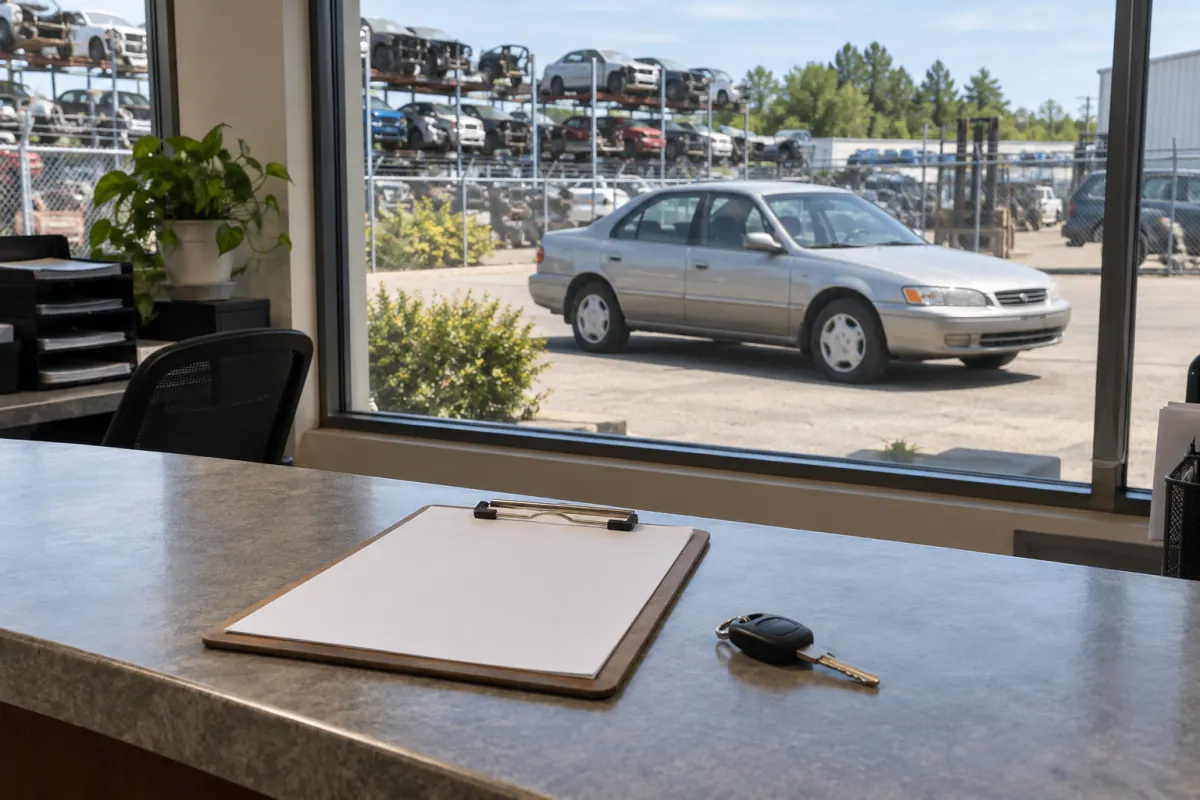
- Confirm the lien. Check the title and DMV record, and identify the recorded lienholder. If the loan was paid, request proof of satisfaction.
- Get a current payoff. Ask the lender for a written figure, expiration date, and instructions for a sale or disposal.
- Check state rules. Ask your motor vehicle agency what proof of ownership, lien release, junking application, plates, and transfer notice are required. California's junking procedure is one example of how specific those requirements can be.
- Compare real offers. Tell buyers about the lien and condition up front. Ask for a written net offer and whether towing or paperwork fees reduce it.
- Agree on the sequence. Confirm who pays the lender, when the lien is released, when the vehicle changes hands, and who files any required notice.
- Keep a paper trail. Save the bill of sale, release, payment confirmation, title records, tow receipt, and notice submission. Remove personal items and ask your DMV about plates before pickup.
If the numbers do not work, pause. A car sitting in a driveway is inconvenient, but an undocumented transfer can leave you with the debt and an ownership problem. If the lender or buyer gives conflicting instructions, ask the DMV or a qualified consumer-law attorney before signing anything.
Common questions about junking a car with a lien
Can I sign the car over if the bank has the title?
Not on your signature alone if the transfer requires the lender-held title or a release. Ask the lender and your DMV how to document the transaction. A buyer may be able to coordinate a payoff, but the exact process must be agreed and properly recorded.
Can I remove the plates and let a tow company take it?
Removing plates does not release the lender's interest or transfer ownership. Follow your state's plate and seller-notice rules, but settle the lien and title process first. Get a receipt showing the vehicle identification number and the recipient.
Does a salvage title cancel the debt?
No. Vehicle condition and title branding are separate from the loan contract. Ask the lender for the balance and terms. If an insurance claim is involved, ask how any settlement will be applied.
What if the junkyard offers more than I owe?
Ask for the offer and payoff in writing. Confirm how the lender receives payment, how the release is delivered, and when you receive the remaining amount. Do not count the difference as yours until the actual transaction closes.
Bottom line: You may be able to dispose of a liened car through a lender-approved, properly documented transaction, but you should not junk it as though you owned it free and clear. Start with the lienholder and the motor vehicle agency where the car is titled. Then compare offers against the payoff and choose the process you can document.
See what your car may be worth
After checking the lien and title requirements, request a free cash offer and compare it with your payoff.
Disclaimer: This article provides general information, not legal, tax, insurance, or financial advice. Vehicle title, lien, junking, plate, and transfer rules vary by state and situation. Confirm current requirements with the motor vehicle agency where the car is titled, ask your lender about your contract, and consult a qualified professional when needed. A cash offer depends on the vehicle, location, documents, and buyer terms.