If you need to sell car with blown engine, you are probably dealing with a vehicle that went from useful to stressful in one bad drive. Maybe it overheated, started knocking, lost compression, seized, or left you stuck with a repair estimate that makes no sense for the age of the car. The good news is simple: a blown engine does not make the car worthless. It does change who will buy it, how much they will pay, and what you should do before signing it over.
Skip the Repair Guesswork
Cha-Ching Co can review your car details and give you a free cash offer, even if the engine is blown or the vehicle does not run.
A blown engine sale is different from selling a clean daily driver. You are not trying to convince someone the car is perfect. You are trying to be clear about the problem, prove ownership, understand the realistic buyer pool, and avoid wasting weeks on people who were never going to pay a fair amount anyway.
This guide walks through your real options, how buyers value a car with major engine damage, what paperwork you may need, and how to avoid common mistakes. If you also have body damage, start with our guide on how to sell a damaged car. If the vehicle is older and may be worth more as scrap or parts, our cash for junk cars guide can help you compare the next step.
Sell Car With Blown Engine: What Counts as a Blown Engine?
People use "blown engine" for a lot of problems. Sometimes it means the engine is fully seized and will not turn over. Other times it means a head gasket failure, broken timing belt, cracked block, rod knock, low compression, major oil loss, or a repair shop telling you the engine needs to be replaced.
That distinction matters because buyers price risk. A car that still starts but smokes heavily is different from a car that cannot move under its own power. A confirmed seized engine is different from a suspected overheating issue. A diagnosis from a mechanic, even a short one, can help you defend your asking price and prevent the same questions over and over.
If you do not have a diagnosis, describe what happened plainly. For example: "The car overheated, shut off, and now cranks but will not start." That is better than guessing. Honest details protect you and help serious buyers decide faster.

How Buyers Decide What a Car With a Blown Engine Is Worth
A running version of your car sets the ceiling. From there, buyers subtract the cost and risk of repair, towing, time, storage, and resale. Engine replacement can cost more than the car is worth, especially on older high-mileage vehicles. That is why a vehicle with a blown engine often sells for parts value, scrap value, or project-car value instead of book value.
The main pricing factors are the year, make, model, mileage, title status, body condition, transmission condition, trim, demand for used parts, and whether the car is complete. A late-model truck or popular SUV with a bad engine can still bring a strong offer because the body, electronics, wheels, catalytic converter, transmission, and interior may all have value. A common sedan with high miles and rough body damage will usually be closer to scrap pricing.
Do not price only from online listings for running cars. Those listings can make the repair decision look better than it is. A buyer has to spend money before the car has a chance to run again. If the repaired car would sell for $7,000 but the engine job may cost $4,500, a buyer is not going to pay $3,000 unless there is another reason the car is desirable.
Option 1: Sell Car With Blown Engine to a Cash Buyer
A cash buyer is often the cleanest route when you want the vehicle gone without managing repairs or a long private sale. This type of buyer prices the car as-is, factors in pickup or towing, and gives you a direct offer. The offer may not match what a repaired vehicle would bring, but it can save you repair deposits, storage fees, listing headaches, and repeated buyer no-shows.
This route makes the most sense if the vehicle does not run, you need towing, you do not want to pay for another inspection, or you simply want a clear end to the situation. It also helps when the car has more than one issue: engine failure plus high mileage, cosmetic damage, expired registration, or a long period sitting in the driveway.
Before accepting any offer, ask whether towing is included, when payment happens, what documents are required, and whether there are fees. A real buyer should be able to answer those questions directly. If someone keeps changing the amount after pickup is scheduled, that is a bad sign.
Get a Straight As-Is Offer
Tell Cha-Ching Co what happened to the engine, share the title status, and get a free cash offer without paying for repairs first.
Option 2: Private Sale to a Mechanic or Project Buyer
A private sale can bring more money if your car is desirable and you find the right buyer. Mechanics, hobbyists, students in automotive programs, and people who already have a spare engine may see value that a regular driver will not. The downside is time. You have to take photos, write the listing, answer questions, deal with test-start requests, and screen people who may not understand the repair cost.
Be upfront in the listing title and first few lines. Say that the car has a blown engine or suspected blown engine. Include whether it starts, runs, moves, shifts, and has a clean title. Mention the odometer, VIN availability, tire condition, known recent repairs, and any parts that were recently replaced. Clear photos of the body, interior, engine bay, odometer, wheels, and title status area help serious buyers move faster.
For payment, be careful with overpayment stories, fake payment screenshots, requests for verification codes, and buyers who want you to release the vehicle before funds are settled. The FTC warns sellers to watch for fake payment notifications and similar online selling scams. For a non-running car, it is reasonable to complete payment and paperwork before the tow truck leaves with the vehicle.
Option 3: Junkyard, Salvage Yard, or Parts Buyer
Junkyards and salvage yards can be a fit when the vehicle is older, common, heavily damaged, or missing a clean repair path. They usually look at scrap metal value, catalytic converter value, reusable parts, and towing distance. The quote may be lower than a private buyer, but the process is usually simpler.
Ask whether the quoted price is final, whether pickup is included, and what happens if the driver sees the car and wants to lower the number. Some yards pay more for complete vehicles with catalytic converters, factory wheels, and major components still attached. If parts have already been removed, say that before they quote.
If you are comparing yards, give each one the same information. Year, make, model, mileage, title status, whether it runs, whether the engine is seized, and your ZIP code should be enough for a basic quote. The more precise you are, the easier it is to compare offers fairly.
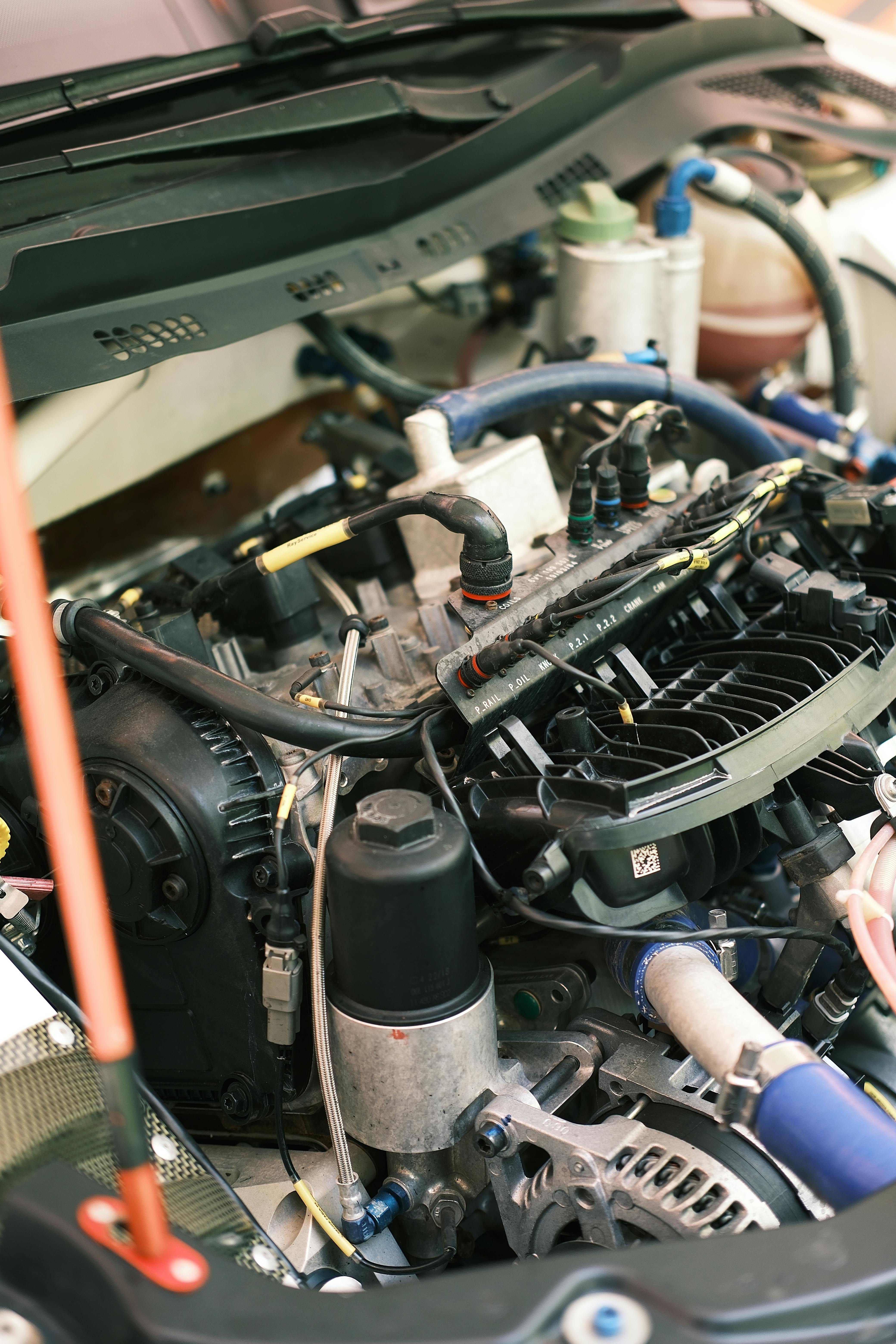
Should You Repair the Engine Before Selling?
Sometimes repairing first makes sense, but be careful. The question is not whether the car would be worth more after repair. It almost always would. The question is whether the extra sale price would be more than the repair cost, towing, diagnostic fees, taxes, time, and risk.
Use a simple test. Find realistic sale prices for the same car in running condition. Then subtract the full repair estimate and any other costs. If the remaining number is close to what you can get as-is, repairing is probably not worth the stress. If the car is newer, low mileage, rare, or otherwise in excellent condition, a repair may make more sense.
Get the repair estimate in writing if possible. Ask whether the quote includes labor, fluids, programming, taxes, warranty, used engine sourcing, and extra parts that often come up during the job. A cheap engine quote can grow once the shop opens the car up.
Paperwork You Need to Sell a Car With a Blown Engine
Paperwork rules vary by state, but most sales start with the title. A clean title in your name makes the process easier. If the title is lost, ask your state DMV about a duplicate before listing the car. If there is a lien, you will need to handle the payoff and title release. If the car has a salvage or rebuilt title, disclose it.
A bill of sale is also smart. It should include the buyer and seller names, vehicle description, VIN, sale price, date, odometer reading if required, and as-is language. Keep a copy for your records. Many states also require a release of liability or notice of sale. That step matters because it helps show that you no longer own the car after the sale.
If the vehicle does not run, ask the buyer how pickup will work. Make sure the title and payment are handled before the vehicle leaves. If the tow driver is not the buyer, confirm who is authorized to pick it up.
How to Avoid Low Offers and Sale Problems
The easiest way to protect your price is to show the car clearly. Take photos in daylight. Clean out the personal items. Show the odometer, VIN plate if you are comfortable, body panels, wheels, interior, engine bay, and any damage. If the car cannot start, say that. If it starts but should not be driven, say that too.
Do not hide the engine issue. A buyer who discovers the problem later can turn a simple sale into an argument. It is better to attract fewer buyers who understand the car than more buyers who think they are getting a running vehicle.
Watch for red flags: a buyer who will not say who is picking up the car, a payment above your asking price, pressure to refund a difference, a fake escrow service, requests for gift cards, or anyone asking for a verification code. For a vehicle with major mechanical damage, the sale should be boring: agreed price, clear paperwork, verified payment, pickup, and copies of records.
Best Path If You Need the Car Gone Soon
If the car is taking up space, collecting notices, or blocking your next move, speed has value. A private sale may pay more, but it can also drag on. Repairing may pay more, but it puts cash at risk. A cash offer gives you a clean comparison point. Once you know the as-is number, you can decide whether private sale or repair is truly worth the extra work.
That is the practical order: get the repair estimate if you need clarity, get an as-is cash offer, compare against private-sale interest, then choose the path that leaves you with the best mix of money, time, and certainty.
Ready to Sell the Car As-Is?
Cha-Ching Co buys vehicles in difficult condition and can give you a free cash offer without making you fix the engine first.
Bottom Line
You can sell a car with a blown engine. The right buyer depends on the vehicle, title status, repair cost, and how quickly you want the sale finished. A mechanic or project buyer may pay more if the car has strong parts value. A junkyard may be simple for an older vehicle. A cash buyer can be the most direct option when you want an as-is offer and pickup without repair bills.
The main thing is to be clear about the engine problem, keep the paperwork clean, compare offers, and avoid anyone who makes the process feel messy. A bad engine is frustrating enough. Selling the car should not make it worse.
Disclaimer: This article is for general informational purposes only and is not legal, tax, DMV, mechanical, or financial advice. Vehicle sale rules, title requirements, emissions rules, and release-of-liability steps vary by state and local jurisdiction. Confirm requirements with your state DMV, a qualified mechanic, or another appropriate professional before selling your vehicle.