Can I sell my car if I have unpaid tickets? In many cases, yes, but the answer depends on what kind of tickets you owe and what your state or city has done about them. An ordinary traffic citation usually follows the driver, while a parking or toll violation may be tied to the vehicle record. A registration hold, boot, impound, or recorded lien can stop or complicate a sale until you clear it.
The safest move is to check the title and registration status before accepting money. Rules vary by state and municipality, so confirm the details with your DMV, the court listed on the citation, and the agency that issued any parking or toll ticket.
Want a Simple Way to Sell Your Car?
Tell Cha-Ching Co about your vehicle and request a free cash offer with no obligation.
Can I Sell My Car If I Have Unpaid Tickets in My State?
There is no single nationwide rule. Vehicle titles, registration holds, parking enforcement, and ownership transfers are handled under state and local law. Your ability to sell depends less on the amount owed and more on whether the debt has affected the vehicle record or your physical control of the car.
California offers a useful example of why the details matter. The California DMV says parking or toll violations already on a vehicle record are generally removed from that record when a regular registered-owner transfer occurs. Certain family and trust transfers are treated differently and cannot be completed until the violations are cleared. California also blocks registration renewal when qualifying parking or toll violations remain unpaid. New York takes another approach: a local government can ask the DMV to prevent renewal or suspend a registration after unanswered parking tickets.
Those examples do not establish the rule where you live. Before listing the vehicle, ask your DMV these two direct questions:
- Is there any stop, hold, suspension, lien, or other restriction on this vehicle's title or registration?
- Can a buyer complete the title transfer today without paying my ticket balance?
Get the answer in writing or save a screenshot of the official status page when possible. A buyer may walk away if a clerk rejects the transfer, even when the underlying debt is technically yours.
The Type of Unpaid Ticket Makes a Difference
Moving violations and traffic citations
Speeding, red-light, reckless-driving, and similar citations are commonly issued to a driver. Selling the car does not erase the citation, dismiss the court case, cancel a warrant, or restore a suspended driver's license. You remain responsible for responding by the deadline, even if someone else now owns the vehicle.
A license suspension does not always prevent you from transferring a title, but it can make a test drive or delivery risky. Do not drive with a suspended license. Arrange for a properly licensed person or towing service if the vehicle needs to move.
Parking and camera tickets
Parking and automated-enforcement debts are more likely to affect the plate, registration, or vehicle record. The exact treatment varies. Some jurisdictions block renewal. Others may boot or tow a vehicle after a certain number of old tickets. The District of Columbia, for example, says a vehicle may be booted when it has two or more qualifying unpaid parking or photo-enforcement tickets, and a booted vehicle can then be towed.
Do not promise a buyer that the debt will disappear at transfer unless the responsible agency confirms that result. Even when the legal obligation stays with the seller, an unresolved record can create wasted trips, storage costs, and distrust.
Unpaid tolls
Toll agencies may add penalties, refer balances to collections, or place a hold on registration services. Remove your transponder and vehicle from your toll account after the transfer, but only after recording the handoff date and time. Keep the bill of sale and release-of-liability confirmation so you can dispute tolls incurred by the buyer later.
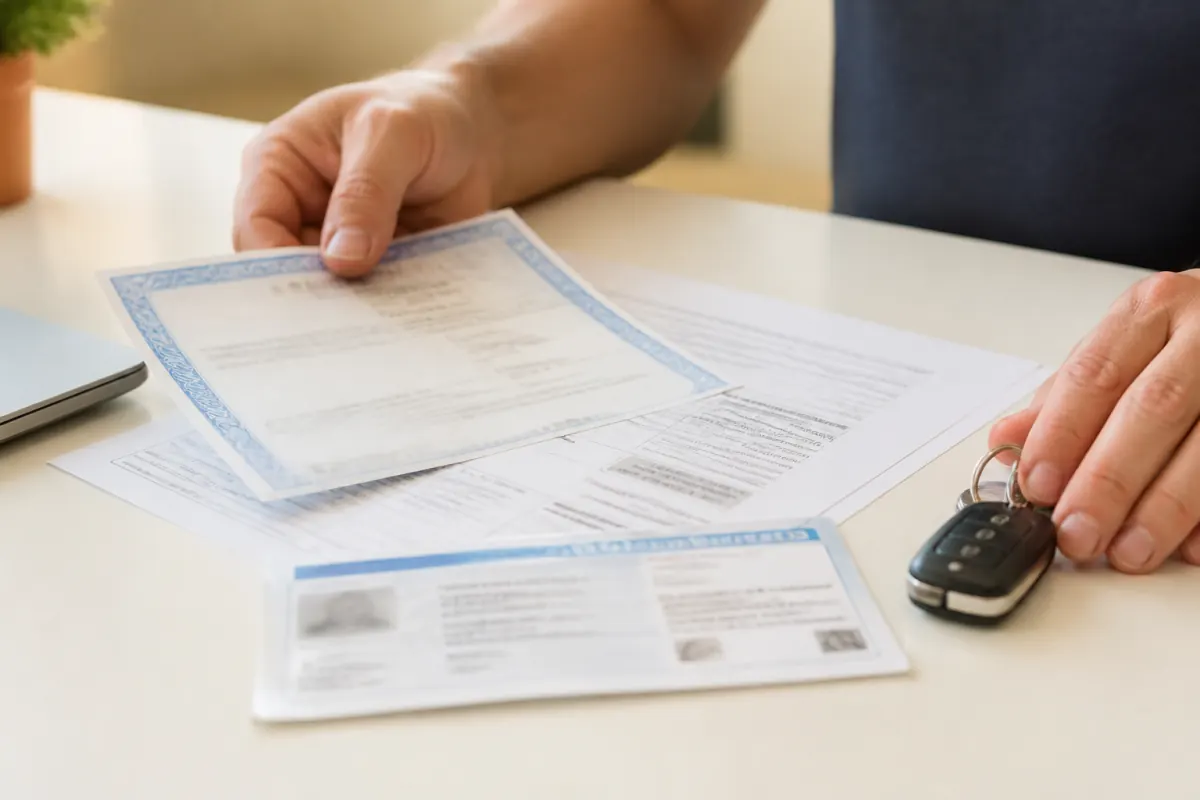
When Unpaid Tickets Can Block or Delay the Sale
The biggest problem is not the ticket itself. It is an enforcement action attached to the title, registration, plate, or physical vehicle. Check for each of the following before you advertise:
- Registration hold or suspension: A buyer may be unable to register the car, or you may be unable to provide current registration documents.
- Boot: You cannot legally remove a government boot yourself. The issuing agency will normally require payment or an approved resolution.
- Impound: You cannot deliver a car you do not possess. Ticket balances, tow charges, storage fees, and proof-of-ownership requirements may need attention before release.
- Title lien: A lien is different from a routine ticket. If a government agency, lender, repair shop, or tow company has a recorded claim, you generally need an authorized payoff and lien release before a clean transfer.
- Expired registration: An expired registration may be sellable, but it can affect legal operation, pricing, and buyer paperwork. Read our guide to how to sell a car with expired registration.
If the vehicle is booted or impounded, settle the release process before scheduling a buyer. In DC, for instance, officials state that the ticket, boot, and tow charges must be paid to release an affected vehicle. Storage charges can rise while you wait.
Selling As-Is?
Cha-Ching Co can review your vehicle details and provide a free cash offer.
How to Check Whether Your Car Can Be Transferred
- Look up every ticket. Search the court or issuing agency using the citation number, plate, or driver's license information. Confirm whether it is open, overdue, in collections, or subject to enforcement.
- Check the title. Find the original title or request a replacement. Review the lien section and confirm that your legal name matches the ownership record.
- Check registration status. Use your state DMV's official portal or contact the agency. Ask specifically about transfer stops, not just renewal eligibility.
- Check for local enforcement. A city parking office may have boot or tow eligibility that does not appear in a basic DMV lookup.
- Request payoff instructions. If payment is required, ask which methods clear the hold fastest and what receipt or release document you will receive.
- Recheck after payment. Electronic updates are not always immediate. Confirm that the restriction is actually gone before meeting the buyer.
Use official government websites. Search results and third-party payment sites can be misleading, and ticket scams often imitate agency pages.
Can I Sell My Car If I Have Unpaid Tickets to a Dealer or Cash Buyer?
A dealer, private buyer, junk-car service, or cash buyer may still purchase the vehicle when the title can be legally transferred. The buyer may ask you to clear the balance first, reduce the price to account for administrative risk, or complete the transaction at a DMV or title office.
Be direct. Tell the buyer what kind of tickets exist and share any official confirmation about transfer eligibility. Do not describe a car as having a "clean title" if a recorded lien or title restriction remains. If the car also has mechanical or cosmetic problems, compare the realistic options in our guide to selling a damaged car.

How to Complete the Sale Without Creating New Problems
Once the vehicle is eligible for transfer, document the transaction carefully. Complete the title exactly as your state requires, create a bill of sale, record the odometer reading, and file the state's notice of sale or release of liability right away. Remove personal property, toll transponders, parking permits, and saved garage access devices.
Do not let a buyer drive away on an open title. An open title is one the buyer has not completed or submitted. Until the state updates its records, future tolls, parking notices, towing notices, or crashes may still lead back to you. Keep copies of the signed title, bill of sale, buyer information allowed by law, and the DMV confirmation.
If you cannot clear a restriction immediately, postpone the transfer. A written agreement saying the buyer will "handle it later" may not satisfy the DMV and can expose both sides to unnecessary risk.
Should You Pay the Tickets Before Selling?
Paying or formally resolving the tickets before the sale is usually the cleanest option, especially when the balance has triggered a hold, boot, tow, suspension, or collection action. It gives the buyer more confidence and reduces the chance that the transfer stalls.
If you believe a ticket is wrong, follow the official contest process instead of ignoring it. Ask whether filing a challenge pauses enforcement and how long the agency needs to update the vehicle record after a decision. Keep every receipt and disposition notice.
If paying the full balance is difficult, ask the issuing court or agency about a payment plan, hardship process, hearing, or settlement program. Availability varies, and entering a plan may not automatically remove a DMV hold. Confirm that point before relying on it.
Bottom Line
You can often sell a car while you personally owe traffic tickets, but parking tickets, toll debt, registration restrictions, boots, impounds, and liens can change the answer. Verify the title and transfer status first. Then disclose relevant issues, document the sale, and file your release of liability promptly.
Ready to Explore a Cash Sale?
Request a free Cha-Ching Co cash offer and decide whether it works for you.
Official Sources
- California DMV: Parking or Toll Violations During Transfers
- California DMV: Parking and Toll Violations on Record
- New York DMV: Parking Tickets
- DC DMV: Booted or Towed Vehicles
Disclaimer: This article provides general educational information and is not legal, tax, or financial advice. Ticket enforcement and vehicle-transfer rules vary by jurisdiction and can change. Contact your state DMV, the issuing court or municipality, and a qualified local attorney for advice about your situation.