Cash for Salvage Cars: What Your Vehicle May Be Worth
If you are looking for cash for salvage cars, you are probably dealing with a vehicle that no longer fits the normal private-sale path. Maybe it was declared a total loss after an accident. Maybe the title says salvage or rebuilt. Maybe it still runs, but buyers keep backing away once they hear the history. The good news is simple: a salvage car can still have real value. The harder part is knowing what kind of buyer makes sense, what paperwork you need, and how to compare offers without getting rushed into a bad deal.
Want a Straight Cash Offer?
Cha-Ching Co helps sellers compare a free cash offer for cars in tough condition, including salvage, damaged, and non-running vehicles.
A salvage title usually means an insurance company decided the vehicle cost too much to repair compared with its pre-loss value. That does not always mean the car is worthless. Some salvage cars are repairable. Some are worth more as parts. Some are mainly scrap metal. A newer pickup with front-end damage can bring a very different offer from an older sedan with flood history, even if both have salvage paperwork.
What Cash for Salvage Cars Really Means
Cash for salvage cars is a broad phrase. It can mean selling to a junkyard, a damaged-car buyer, a rebuilder, a parts buyer, or a private buyer who understands title branding. The common thread is that the buyer is willing to purchase a vehicle that ordinary retail buyers may avoid.
A salvage title is not the same thing as a clean title. It tells future buyers, lenders, insurers, and registration offices that the vehicle had a serious event in its history. Depending on the state, a salvage vehicle may not be legal to drive on public roads until repairs are completed and the car passes the required inspection. After that, the title may be changed to rebuilt, reconstructed, or a similar label.
That history affects value. A vehicle with a salvage or rebuilt title usually sells for less than the same make, model, mileage, and condition with a clean title. The discount is often steep because future buyers face added risk: hidden damage, harder financing, limited insurance options, and lower resale value later.
Still, buyers exist because value can show up in several places:
- Usable parts such as engines, transmissions, doors, wheels, electronics, and interior pieces
- Scrap metal value based on weight and local metal prices
- Repair potential if the damage is limited and the model has demand
- Resale opportunity for a buyer who knows how to rebuild and retitle vehicles
If your car is damaged but does not have a salvage title yet, the article on how to sell a damaged car may help you compare the broader options. If the car is already wrecked or not roadworthy, the guide on how to sell a wrecked car covers a similar path.
How Much Cash for Salvage Cars Can You Expect?
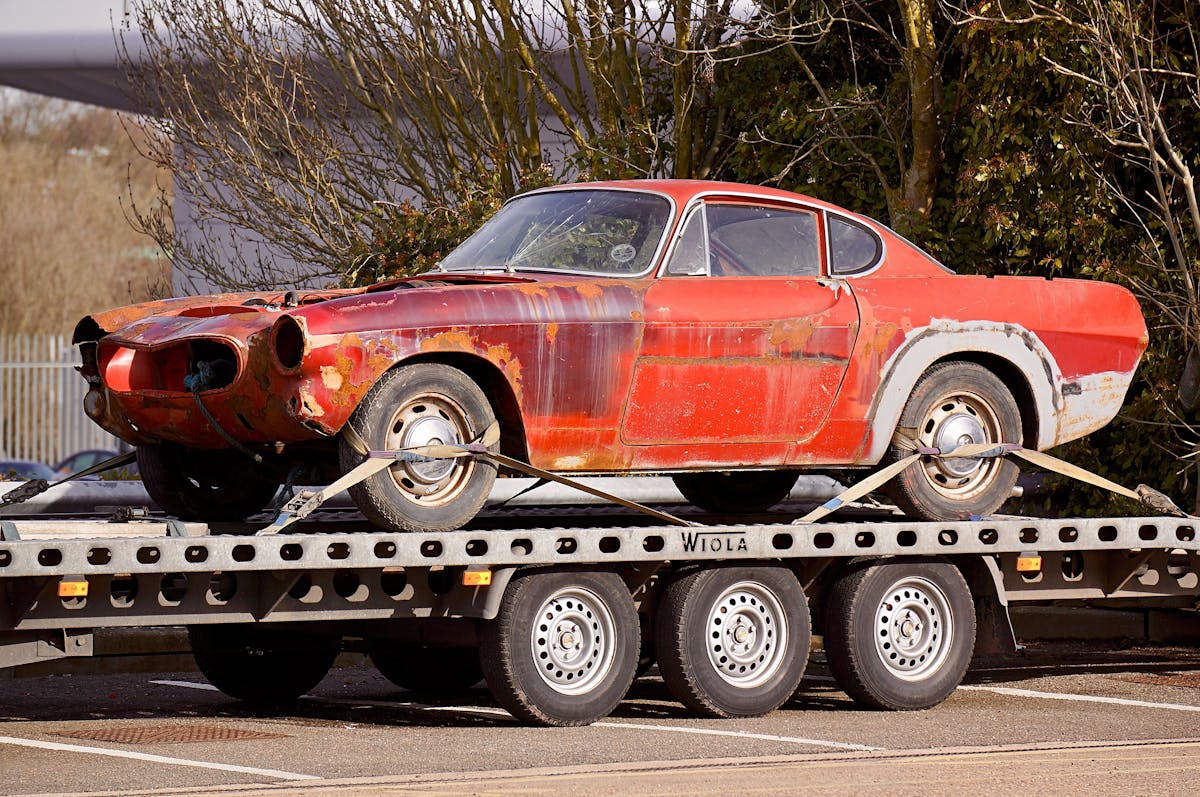
There is no single price formula that works for every salvage car. A common rule of thumb is that salvage-title vehicles can be worth far less than clean-title versions, sometimes around 20% to 60% of clean-title market value depending on the car and the damage. That range is only a starting point. The real offer depends on what a buyer can do with the vehicle after purchase.
Here are the main factors that affect a salvage car cash offer.
Year, Make, Model, and Trim
Newer vehicles usually have more valuable parts. Trucks, SUVs, hybrids, certain performance cars, and popular commuter models may also bring stronger offers because parts demand is high. A damaged late-model Toyota Tacoma, Ford F-150, Honda Civic, or Tesla may attract more buyer interest than an older vehicle with limited resale or parts demand.
Damage Type
Not all damage is valued the same. Front-end collision damage, rear-end damage, hail damage, fire damage, flood damage, theft recovery, and frame damage can all lead to different offers. Flood and fire history often hurt value more because electrical and corrosion problems can appear later. Frame or structural damage can also reduce repair interest.
Whether It Runs and Drives
A salvage car that starts, moves, and can be loaded easily is usually worth more than one that does not run. Even if the buyer plans to tow it, a running engine and working transmission add value. If the car does not start, be honest about it. Buyers price towing, labor, and risk into the offer anyway.
Title Status and Liens
A clear salvage title in your name is much easier to sell than a vehicle with missing paperwork, a lien, or ownership confusion. If there is still a loan on the vehicle, the lender may need to be paid before the title can transfer. If the title is missing, your state DMV may let you request a duplicate, but the process and timing vary.
Local Demand and Towing Distance
A buyer nearby can usually pay more than a buyer who has to send a truck a long distance. Local parts demand matters too. A car with high-demand parts in your area can bring a better offer than the same car in a market where buyers already have too much similar inventory.
Compare Before You Commit
A salvage title does not mean you have to accept the first low offer. Cha-Ching Co can help you see what a cash buyer may pay as-is.
Best Places to Get Cash for Salvage Cars
The best buyer depends on the car's condition, your timeline, and how much work you want to do yourself. Here are the common options.
Salvage Yards and Junkyards
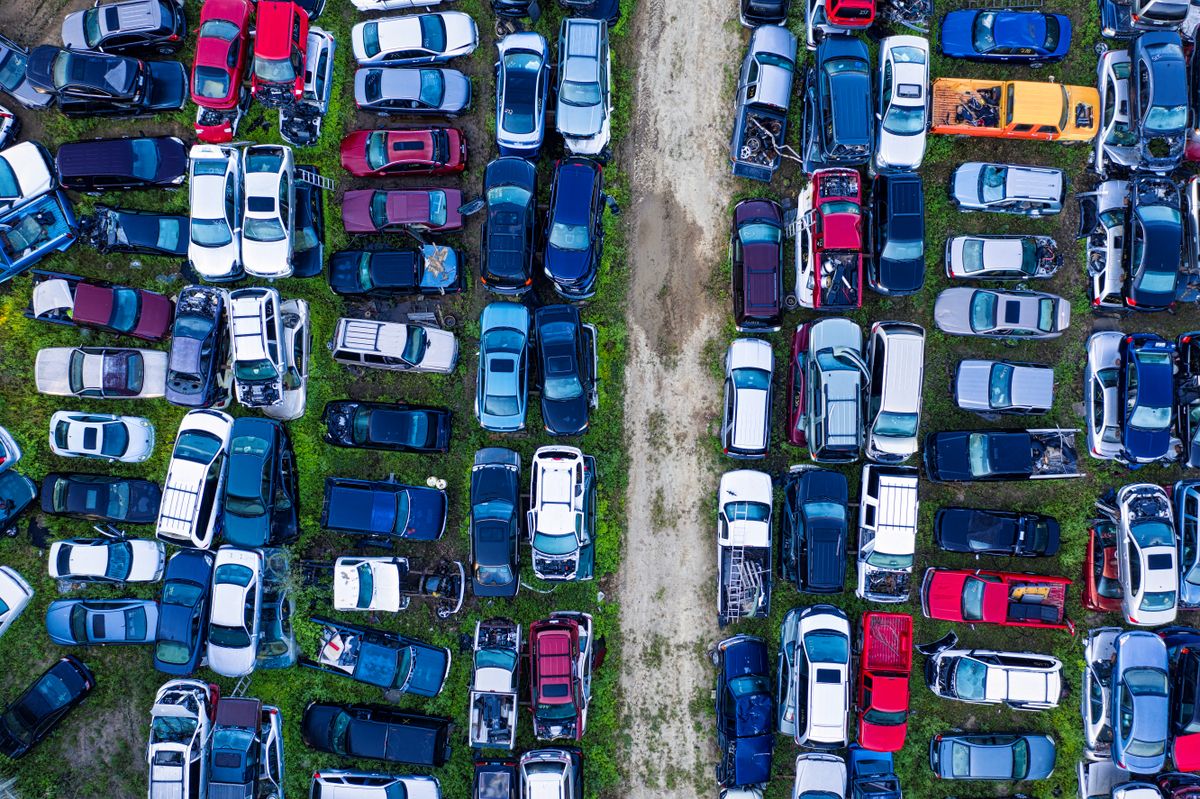
Junkyards and salvage yards buy vehicles for parts and scrap. They are often a practical option when the car is older, badly damaged, missing major components, or no longer worth repairing. Many yards can tow the vehicle, but the towing cost may be built into the offer.
The upside is simplicity. The downside is that a yard may price the vehicle mainly for parts and metal, not for full repair potential. If your salvage car is newer or has desirable parts, get more than one quote before saying yes.
Damaged-Car Buyers
Specialized damaged-car buyers are set up to purchase vehicles that traditional dealers and private buyers avoid. They may buy cars with salvage titles, accident damage, mechanical problems, missing parts, or no-start issues. These buyers usually care about the VIN, title status, mileage, photos, condition, and pickup location.
This can be the easiest path if you want a clean as-is sale and do not want to list the car, answer messages, schedule test drives, or explain title history to buyers one by one.
Private Buyers and Rebuilders
A private buyer may pay more if the vehicle is a desirable model and the damage is repairable. Rebuilders know how to estimate parts, labor, inspections, and resale. The tradeoff is that private sales can take longer and require more caution. You may need to meet strangers, verify payment, handle title paperwork yourself, and be very clear about the salvage title in writing.
Auctions
Salvage auctions can work for certain vehicles, especially newer cars with repair potential. Some auctions mainly serve licensed dealers, dismantlers, and exporters. Fees, transport, storage, and timing can affect your net payout, so look beyond the top-line sale price.
Paperwork Needed to Sell a Salvage Car
Paperwork rules vary by state, so check your DMV before the sale. In most cases, you should prepare:
- The salvage title or rebuilt title, signed correctly
- Your driver's license or state-issued ID
- A bill of sale with buyer, seller, vehicle, sale price, and date
- Any lien release if the car was financed
- Repair records if the vehicle has been rebuilt
- State-specific disclosure forms, if required
Do not guess on title signatures. A small mistake can delay payment or force extra DMV work. If there are two names on the title, check whether both owners must sign. If the title lists a lender, make sure the lien is released before transfer.
How to Sell a Salvage Car Safely
A salvage car sale does not need to be complicated, but it should be documented. Use this simple process.
1. Get the Car Details Together
Write down the VIN, mileage, title type, trim, damage history, whether it starts, whether it drives, and any missing parts. Take clear photos of all sides, the interior, the dashboard, the engine bay, the title brand if appropriate, and the damaged areas. Better information usually leads to more accurate offers.
2. Be Direct About the Salvage Title
Do not hide title history. It can create problems later and may be illegal in some situations. Tell buyers the title is salvage or rebuilt before they spend time inspecting the car. Put that detail in writing on the bill of sale or sale record.
3. Compare Multiple Offers
One offer is not enough to know the market. Compare at least two or three buyers if you can. Ask whether towing is included, whether the offer can change at pickup, how payment works, and what paperwork the buyer needs.
4. Use Secure Payment
Cash can work for smaller local sales, but meet safely and count it before signing over the title. For larger amounts, ask about a cashier's check, instant bank transfer, or another traceable method. Avoid overpayment stories, third-party pickup confusion, and any buyer who wants the title before payment clears.
5. Finish the DMV Steps
Remove your plates if your state requires it. Submit a notice of sale or release of liability where available. Cancel insurance after the sale is complete and the vehicle is no longer yours. Keep a copy of the bill of sale and any buyer paperwork.
When a Salvage Car Is Worth More Than Scrap
Some sellers assume a salvage car is automatically a junk car. Sometimes that is true. Often, it is not.
Your salvage car may be worth more than scrap if:
- It is less than 10 years old
- The mileage is reasonable for the model
- The engine and transmission are still good
- The damage is mostly cosmetic or limited to one area
- The vehicle is a truck, SUV, hybrid, luxury model, or popular parts car
- You have the title and repair records ready
It may be closer to scrap value if it is very old, heavily stripped, burned, flooded, missing the drivetrain, or impossible to load without special equipment. Even then, the car can still have value. It is just a different kind of value.
Is a Cash Offer the Right Move?
A cash offer makes sense when you want a faster as-is sale, do not want to manage repairs, or know the salvage title will make a traditional sale difficult. It may not be the highest possible price in every case. A patient seller with a rare or repairable vehicle may do better with a private rebuilder or auction. But for many sellers, the value of a clean pickup, clear paperwork, and no repair bills is real.
See What Your Salvage Car Could Bring
Cha-Ching Co can help you request a free cash offer for your salvage car without repairs, listings, or guesswork.
Final Thoughts on Cash for Salvage Cars
Selling a salvage car is different from selling a clean-title car. The title brand changes the buyer pool and price, but the vehicle may still have value through parts, metal, repair potential, or local demand.
Before you sell, gather the title, take photos, compare offers, and confirm pickup and payment. That gives you a better chance at a fair as-is sale.
Disclaimer: This article is for general informational purposes only and is not legal, financial, tax, insurance, or DMV advice. Vehicle title rules, salvage disclosures, registration requirements, and sale procedures vary by state and situation. Confirm current requirements with your state DMV, lender, insurer, or a qualified professional before selling a salvage vehicle.