Sell Wrecked Car: How to Get a Fair Cash Offer
If you need to sell wrecked car problems can make the process feel messy fast. Maybe the car was in an accident, has frame damage, will not start, or has already been called a total loss by insurance. You may still have real value sitting there. The right buyer depends on the title status, damage, location, parts demand, and how much time you want to spend chasing quotes.
Want a straightforward cash offer?
Cha-Ching Co helps you compare a free cash offer for a wrecked car without fixing it first.
This guide walks through your practical options, what affects the offer, what paperwork to gather, and how to avoid common mistakes. The goal is simple: sell the car honestly, protect yourself, and get paid without spending money on repairs that may not come back to you.
Sell Wrecked Car Options: Which Buyer Makes Sense?
A wrecked car can attract several types of buyers. Each one prices the vehicle differently, so the best choice is not always the highest-sounding first offer.
- Cash car buyers: These buyers usually make offers based on current condition, pickup cost, resale path, and part-out value. This can be the simplest route if the car does not drive.
- Junkyards and salvage yards: A yard may care more about weight, scrap metal, catalytic converter value, and reusable parts than the original retail value of the car.
- Private buyers: A mechanic, rebuilder, or hobbyist may pay more for certain models, but you will usually handle messages, towing questions, title questions, and payment risk yourself.
- Insurance buyback path: If the car was totaled and you keep it, the insurer may subtract salvage value from your payout. From there, you can sell the vehicle separately.
- Parting it out: Selling parts can bring more money in theory, but it takes tools, space, time, buyer screening, and disposal of what remains.
If the car is common, older, badly hit, or missing major parts, a fast cash buyer or salvage yard may be the cleanest answer. If it is a newer truck, SUV, performance car, hybrid, or luxury vehicle with valuable components, get more than one quote before accepting.
For related pricing context, read Cha-Ching Co's guide to scrap car prices and the guide on who buys cars that don't run.
How Buyers Price a Wrecked Car
Most wrecked car offers are built from a few basic inputs. The buyer wants to know what the car is, what still works, what it costs to move, and whether there is enough resale or parts value to make the deal work.
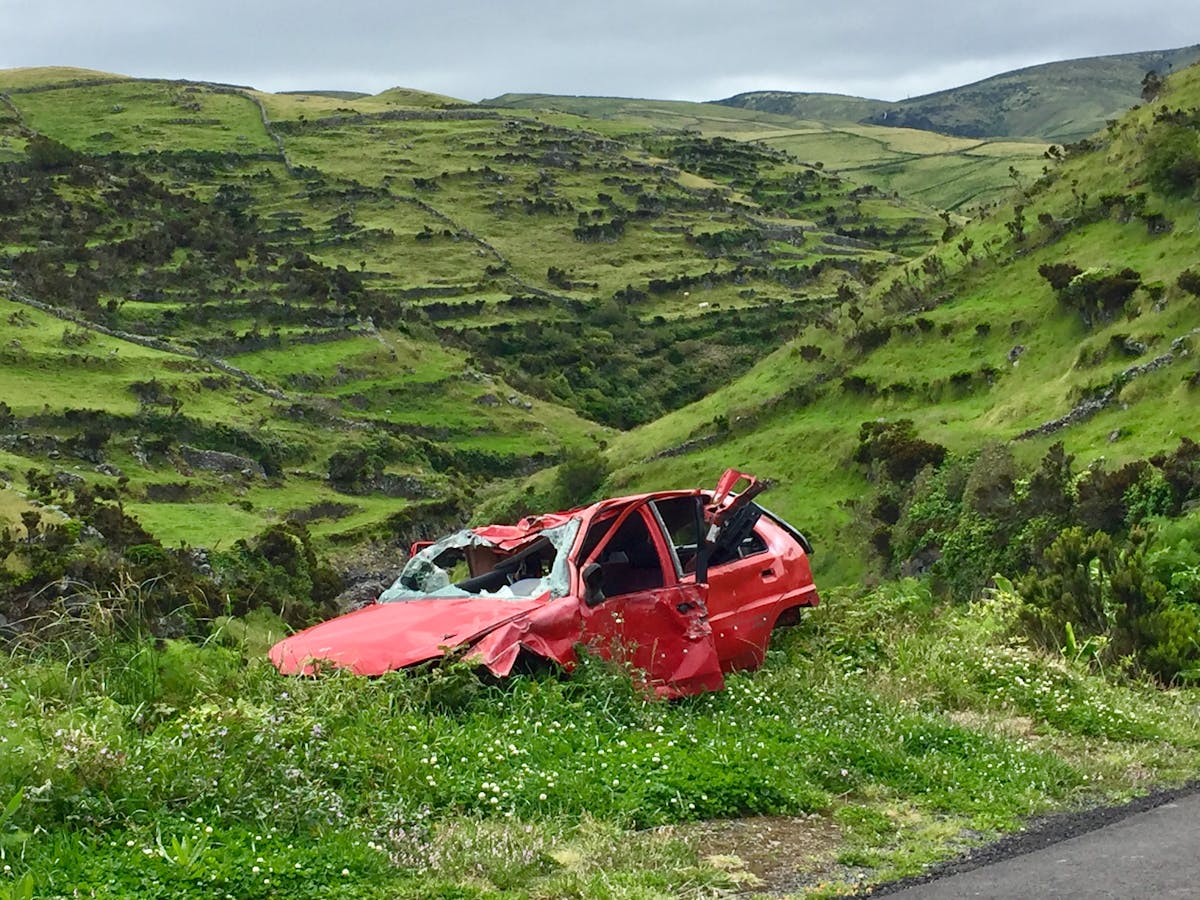
The biggest pricing factors are:
- Year, make, model, trim, and mileage: A late-model pickup with front-end damage can be worth much more than an older sedan with similar visible damage.
- Damage location: Cosmetic damage is different from frame damage, flood damage, fire damage, deployed airbags, or a damaged engine bay.
- Drivability: A car that starts and moves usually costs less to collect. A car that needs a flatbed, winch, or special access may get a lower net offer.
- Title status: Clean, salvage, rebuilt, lien, missing title, and insurance total-loss history all matter. State rules vary, and buyers price that risk.
- Parts demand: Engines, transmissions, doors, wheels, electronics, hybrid batteries, and catalytic converters can change the math.
- Local scrap and transport costs: Heavy cars can have more scrap value, but distance from the buyer or yard still affects the offer.
A common rule of thumb is that a salvage vehicle may be worth a fraction of its pre-accident value, often because the buyer has to account for repairs, resale limits, labor, fees, and risk. Do not rely on a single percentage. A real quote should reflect your exact car.
Sell Wrecked Car Without Fixing It First
Repairing a wrecked car before selling sounds logical, but it can backfire. Body work, frame measuring, airbags, sensors, suspension, paint, and electrical diagnostics can eat up cash quickly. If the car has already been totaled, major repairs may not raise the resale value enough to justify the bill.
Before paying for repairs, ask three questions:
- Will the repair make the car legally and safely sellable, or only make it look better?
- Will a buyer pay more than the repair cost?
- Do I have the time and risk tolerance if hidden damage appears after teardown?
Small steps can still help. Remove your personal items, gather keys, take clear photos, write down the VIN and mileage, and be honest about what happened. If you have a repair estimate or insurance paperwork, keep it ready. You do not need to make the car pretty. You need to make the facts clear.
Want a straightforward cash offer?
Cha-Ching Co helps you compare a free cash offer for a wrecked car without fixing it first.
Paperwork to Gather Before You Sell Wrecked Car
Paperwork is where many wrecked car sales slow down. The exact rules depend on your state, but most buyers will ask for some version of the following:
- Vehicle title, salvage title, rebuilt title, or proof of ownership
- Photo ID matching the owner name
- Loan payoff information if there is still a lien
- Insurance total-loss documents, if applicable
- Registration, if available
- Bill of sale or release of liability form
- Keys, even if the car does not run
If you still owe money on the car, do not hide it. A legitimate buyer needs to know there is a lien because the title cannot transfer cleanly until the lender is handled. If you do not have the title, ask your state DMV what replacement or bonded-title options exist before promising a buyer you can close today.
After the sale, file any required release of liability or notice of transfer with your state. This step matters. It helps separate you from parking tickets, tolls, towing charges, or other problems tied to the vehicle after it leaves your possession.
How to Compare Offers Safely
A wrecked car offer should be specific. Be cautious if a buyer gives a high number over the phone, then drops it hard after towing the car, unless you left out major details. Some price changes are fair when new damage is discovered. Bait-and-switch pricing is different.
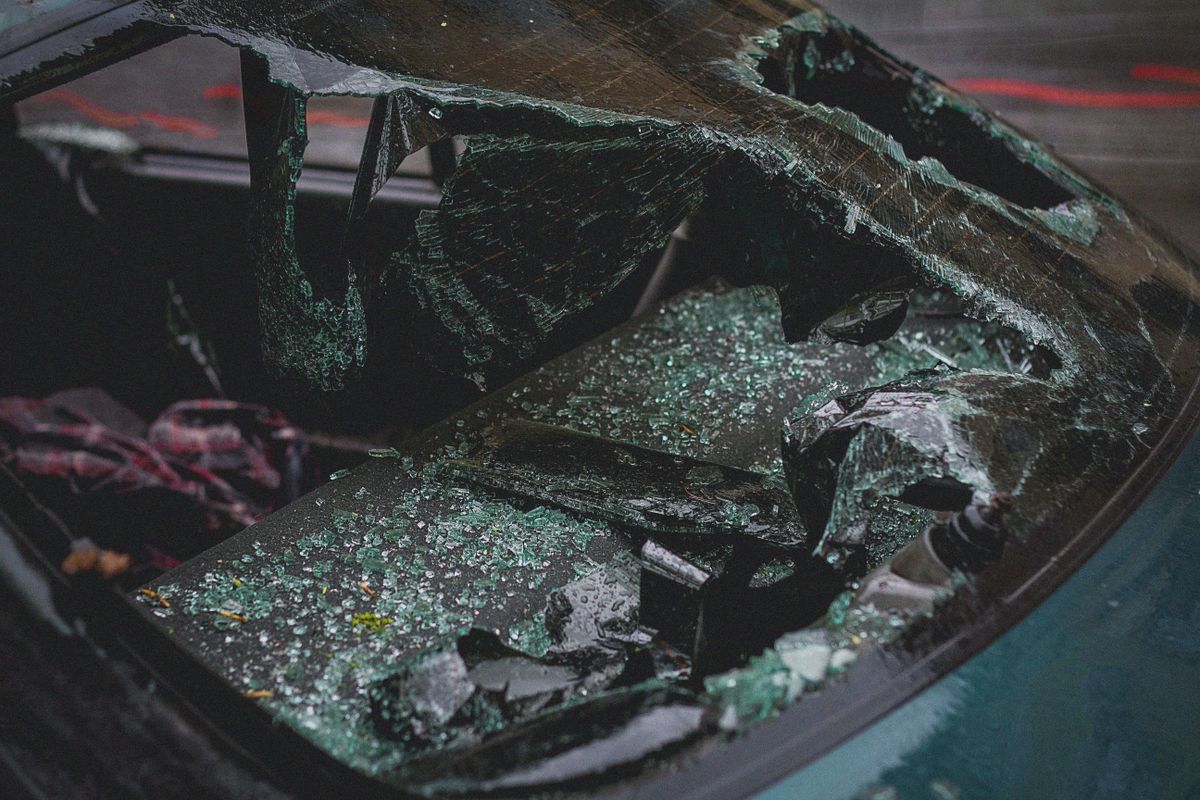
Use this quick comparison checklist:
- Is towing included, or will it be deducted later?
- Is the quote based on the VIN, mileage, title status, photos, and damage description?
- When and how will you be paid?
- Will the buyer provide a bill of sale or receipt?
- Do they explain what happens if the title is salvage, missing, or liened?
- Are they pressuring you to sign before you understand the numbers?
Get the offer in writing when possible. Take photos before pickup. Remove plates if your state requires it. Never leave signed title paperwork in the car before payment is settled.
When a Cash Offer Is the Better Move
A cash offer is often worth considering when the car does not run, storage fees are building, you do not want strangers coming to your driveway, or the repair estimate is close to the car's normal market value. It can also make sense when you want one pickup, one payment, and a clean paper trail.
That does not mean you should take the first number. Compare at least two or three options when the vehicle has meaningful value. Be especially careful with newer vehicles, trucks, SUVs, cars with low mileage, and vehicles with valuable parts. Those can be worth more than a generic scrap quote.
Cha-Ching Co is built for sellers who want a simple starting point. You can request a free cash offer, compare it against other options, and decide whether speed, convenience, and certainty are worth it for your situation.
Want a straightforward cash offer?
Cha-Ching Co helps you compare a free cash offer for a wrecked car without fixing it first.
One more practical note: be accurate about accessories and missing parts. If the battery, catalytic converter, wheels, stereo, or key fob is gone, say so before pickup. Those details can change the offer because the buyer may have priced the vehicle assuming those parts were still included. Clear details protect both sides. You avoid a driveway argument, and the buyer can send the right truck and payment amount the first time.
Final Take: Sell the Car, Not the Stress
To sell wrecked car damage the right way, start with the facts: title status, mileage, condition, photos, and whether the car runs. Then compare buyers based on the net amount you will actually receive after towing, paperwork, and any last-minute deductions.
You do not have to repair a wrecked car just to make it sellable. You do need to be honest about the damage, careful with paperwork, and realistic about value. A clean process beats a slightly higher quote that turns into a headache at pickup.
Disclaimer: This article is for general informational purposes only and is not legal, financial, insurance, tax, or DMV advice. Vehicle title, salvage, lien, and transfer rules vary by state and by situation. Confirm requirements with your state DMV, lender, insurer, or a qualified professional before selling.