If you want to sell vintage jewelry, start by figuring out what kind of piece you have before you chase offers. A 14K gold chain from the 1980s, an Art Deco diamond ring, a signed designer bracelet, and a box of vintage costume jewelry can all be valuable, but buyers price them in very different ways.
The right path depends on metal content, stones, maker, age, condition, proof of authenticity, and who is likely to want the piece next. Some vintage jewelry sells mainly for melt value. Some sells because collectors want the design, brand, or period. The problem for sellers is that a fast cash offer can make those differences disappear if the buyer only looks at weight.
Want a clearer way to compare cash options?
Cha-Ching Co helps sellers look at fair cash offer paths without pressure or confusing next steps.
Before You Sell Vintage Jewelry, Know What Vintage Means
Most buyers use "vintage" for jewelry that is old enough to reflect a previous style period but not always old enough to be antique. In everyday selling, vintage often means roughly 20 to 100 years old. Antique jewelry usually means 100 years or older. Estate jewelry simply means pre-owned, so it can be vintage, antique, modern, fine, or costume.
That language matters because it shapes buyer interest. A true antique piece may need a specialist who understands period construction. A vintage signed costume brooch may need a collector market. A heavy gold bracelet from the 1970s may be priced mostly on gold content unless the maker or design adds resale demand.
Do not assume older always means more valuable. Age helps only when it comes with demand, condition, materials, craftsmanship, brand recognition, or rarity. A damaged mass-market vintage piece may sell for less than a newer gold chain with higher purity and weight.
How Buyers Value Vintage Jewelry
Buyers usually start with the parts they can verify. For fine jewelry, that means metal purity, weight, gemstone quality, condition, and resale demand. Hallmarks such as 10K, 14K, 18K, 22K, 925, 950, PT, or maker stamps can point the buyer in the right direction, but testing may still be needed.
For gold, silver, and platinum pieces, melt value creates a baseline. That baseline is not the same as your final offer. Buyers still account for refining costs, resale risk, labor, shipping, and their own margin. If a piece has strong design or collector demand, it may be worth more intact than melted.
For stones, buyers look at type, size, cut, color, clarity, treatment, and whether there is reliable paperwork. Diamonds with GIA, AGS, IGI, or similar grading reports are easier to compare. Colored stones can be harder because treatment, origin, and condition can change value a lot.
For designer or signed vintage jewelry, brand recognition can be a major factor. Cartier, Tiffany & Co., Van Cleef & Arpels, Bulgari, David Yurman, Georg Jensen, Miriam Haskell, Trifari, and other collectible names may sell above raw material value if authentic and in demand. Original boxes, receipts, service papers, and clear markings help.
If your pieces came from a broader estate, this guide pairs well with our article on how to sell estate jewelry without getting lowballed. If the main question is gold weight and purity, our guide on how to sell gold jewelry can help you estimate a baseline before you ask for quotes.
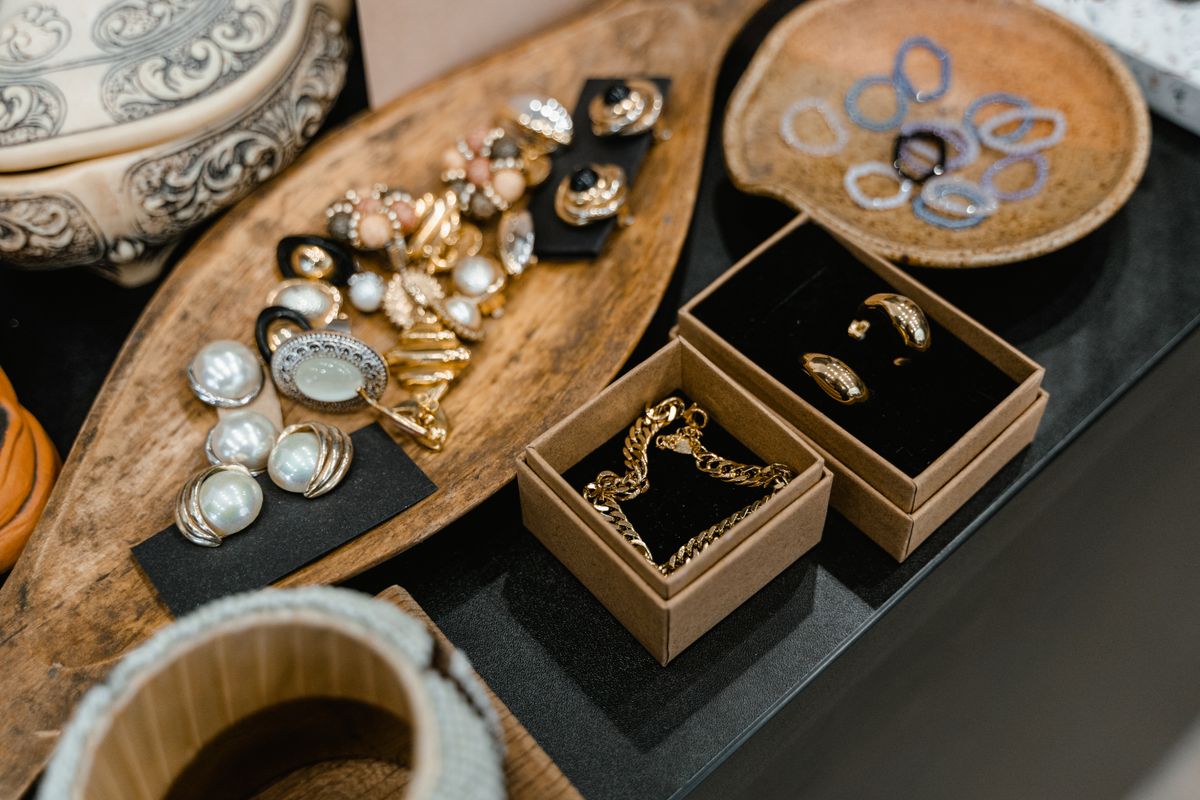
Where to Sell Vintage Jewelry
There is no single best place for every piece. The best option is the one that matches your jewelry type, timeline, and tolerance for effort.
Local jewelers
A reputable local jeweler can inspect the piece in person and explain the offer. This works well for gold, diamonds, platinum, and common fine jewelry. The downside is that some stores buy only what they can resell quickly, so a unique vintage piece may not get full collector consideration.
Estate and vintage jewelry buyers
Specialist buyers can be a better fit for older settings, signed pieces, antique styles, and mixed estate lots. They may understand why a clasp, cut, maker mark, or period style matters. Ask whether they buy outright, consign, or simply appraise.
Consignment shops
Consignment may bring more than an immediate cash offer, but it takes longer and fees reduce the final payout. Read the agreement carefully. Look at commission rate, insurance, payment timing, markdown rules, return rights, and who controls the selling price.
Auction houses
Auction can make sense for rare, signed, antique, or higher-value vintage jewelry. It is usually not the fastest route. You may wait for an auction date, pay seller fees, and accept that the final price depends on bidder interest that day.
Online marketplaces
Sites such as eBay, Etsy, Ruby Lane, and similar platforms can work if you know exactly what you have and can photograph it well. You are responsible for descriptions, pricing, shipping, returns, fraud risk, and buyer questions. For higher-value pieces, vague listings can cost you money.
Cash buyers
Cash buyers are often the fastest path. The tradeoff is that offers may be lower than a patient retail or collector sale. This can still be the right move when you want a clean transaction and the offer is explained clearly.
Compare your options before you commit
Cha-Ching Co gives sellers a simple starting point for looking at fair cash offer options.
How to Sell Vintage Jewelry Without Losing Value
Do a quick inventory before you contact buyers. Write down each piece, visible markings, metal type, stones, condition, brand names, and any documents you have. Photograph the front, back, clasp, hallmark, stones, and any damage. Good photos help buyers give a better early read and protect you if the piece leaves your hands.
Separate the pieces before getting quotes. Do not let a signed bracelet, a gold chain, a diamond ring, and a pile of costume jewelry get priced as one vague lot. A mixed-lot offer can be convenient, but it also makes it harder to see which item is carrying the value.
Get at least two serious offers when the value is unclear. Ask each buyer to explain the offer in plain terms: metal weight, purity, stone value, brand value, resale demand, condition issues, and fees. If one offer is far lower than the others, the explanation should reveal why.
Be careful with cleaning. Wiping dust with a soft cloth is fine. Harsh chemicals, polishing compounds, ultrasonic cleaners, and aggressive scrubbing can damage older settings, pearls, enamel, soft stones, patina, or delicate repairs. If the piece looks fragile, leave it as-is and ask a professional to inspect it.
Keep expectations grounded. Insurance appraisals are often replacement values, not resale values. A document saying a ring would cost $8,000 to replace at retail does not mean a buyer will pay $8,000 in cash. Ask for fair market or resale context if you order an appraisal for selling purposes.
When an Appraisal Is Worth Paying For
An appraisal can make sense when the piece appears antique, signed, rare, diamond-heavy, gemstone-heavy, or valuable enough that a bad sale would hurt. It can also help when family members need a shared record before selling inherited pieces.
Before paying, ask what kind of appraisal you are getting. Insurance replacement value, fair market value, liquidation value, and resale value are different numbers. For selling, you usually want market context, not a retail replacement figure that makes the piece sound more liquid than it is.
For ordinary gold jewelry, a full appraisal may cost more than it adds. In that case, a reputable buyer's test, a jeweler's review, and a few competing offers may be enough. For signed designer pieces, antique rings, larger diamonds, natural colored stones, and luxury watches, verification can protect real money.
Red Flags When You Sell Vintage Jewelry
A fair buyer should be able to explain the offer without rushing you. Be cautious if someone refuses to break down the price, discourages second opinions, will not put terms in writing, or pressures you to accept before you understand the numbers.
Watch shipping terms with online buyers. You need insured shipping, tracking, a clear inspection window, a written offer, and a return policy if you reject the price. Ask who pays return shipping and whether the item is insured on the way back.
For private buyers, protect your safety. Meet in a secure location, avoid carrying high-value jewelry alone, and do not ship expensive items without a trusted payment method and seller protection. A higher offer is not worth a risky transaction.
A Simple Plan to Sell Vintage Jewelry
- Inventory every piece and photograph key details.
- Look for metal marks, maker stamps, serial numbers, boxes, receipts, and old appraisals.
- Separate fine jewelry, designer pieces, watches, diamonds, and costume jewelry.
- Estimate metal baseline value when gold, silver, or platinum is involved.
- Ask whether a specialist appraisal is worth the cost for unusual or high-value pieces.
- Request two or three offers from buyers who match the item type.
- Compare net payout, fees, timeline, return rights, and how clearly each buyer explains the offer.
- Keep written records after the sale.
This process does not need to be slow. It just needs to be organized. A little sorting up front can keep you from selling a collectible piece as scrap or letting one low offer set the tone.
Ready to see what your jewelry options look like?
Cha-Ching Co helps sellers explore fair cash offer options with a calm, straightforward starting point.
Final Thoughts on Selling Vintage Jewelry
When you sell vintage jewelry, the goal is to understand what makes the piece valuable before you accept a number. Some items are worth the most as metal. Others need a vintage buyer, a designer market, or patient consignment. The difference can be big enough to justify a second opinion.
Start with identification, protect delicate pieces, compare offers, and ask buyers to show their math. You do not need to become a jewelry dealer. You just need enough information to avoid selling something special like it is ordinary scrap.
Disclaimer: This article is for general informational purposes only and is not legal, tax, financial, investment, or appraisal advice. Jewelry values, market demand, buyer offers, estate rules, and tax treatment vary by item and location. Consult a qualified appraiser, attorney, tax professional, or financial advisor before making decisions about valuable jewelry or estate property.