Selling a house with a shared well can go smoothly, but buyers and lenders usually want clear answers before closing: Who owns the well? Who can access it? How are repairs paid for? Is the water safe, and can the system supply every home it serves? The best way to prevent delays is to gather the agreement, testing records, maintenance history, and easement documents before the property goes under contract.
Want a Simpler Way to Sell?
Cha-Ching Co can help you explore a free cash offer without requiring you to list or make repairs first.
Selling a House With a Shared Well Starts With the Agreement
A shared well supplies water to more than one property. The well may sit on your parcel, a neighbor's parcel, or a separate tract. Pipes, pumps, pressure tanks, electrical service, and treatment equipment may also cross property lines. That physical setup is why a handshake arrangement can become a problem during a sale.
Look for a recorded shared-well agreement in your closing papers, title documents, or county land records. Your title company or real estate attorney can help locate it. A useful agreement typically identifies the properties served and addresses:
- each owner's right to draw water;
- access to inspect, maintain, and repair the well and supply lines;
- easements for pipes, equipment, and entry;
- how electricity, testing, maintenance, and replacement costs are divided;
- who handles routine decisions and emergency work;
- what happens when an owner does not pay;
- how disputes are resolved; and
- whether the agreement binds future owners.
If the agreement is missing, vague, or unrecorded, do not wait for the buyer's lender to flag it. Ask a local real estate attorney whether the owners should sign and record a new agreement or amendment. State law and county recording practices differ, so a generic online form may not protect the parties or satisfy a lender.
What Buyers and Lenders Check When You Sell
A buyer is not only purchasing the house. They are also accepting an ongoing relationship with the other well users. Expect questions about reliability, water quality, monthly costs, and the history between the owners.
Financing can add another layer. Loan programs and individual lenders may impose their own property requirements. FHA guidance, for example, contains detailed provisions for acceptable shared-well agreements, including access, cost sharing, maintenance, system replacement, emergency repairs, and dispute resolution. The exact underwriting decision belongs to the lender, so the buyer should confirm requirements early rather than assuming every loan treats the system the same way.
Provide the buyer and lender with a clean document package:
- the recorded agreement and all amendments;
- recorded access and utility easements;
- recent water-quality laboratory results;
- well-flow, yield, or pump test results if available;
- receipts for pump, tank, treatment, or line repairs;
- the current method for splitting electric and maintenance bills;
- permits, well logs, and local health-department records; and
- details about any current dispute, leak, contamination issue, or unpaid shared expense.
If you are deciding between repairs, a traditional listing, and an as-is sale, our guide to selling a house as is explains what buyers usually evaluate.
Water Quality Testing Before Selling a House With a Shared Well
Private wells are generally the owners' responsibility, not the local water utility's. The U.S. Environmental Protection Agency recommends annual testing for total coliform bacteria, nitrates, total dissolved solids, and pH, with additional testing based on nearby land use and local groundwater concerns. Use a state-certified drinking-water laboratory and ask the local health department which contaminants are common in the area.
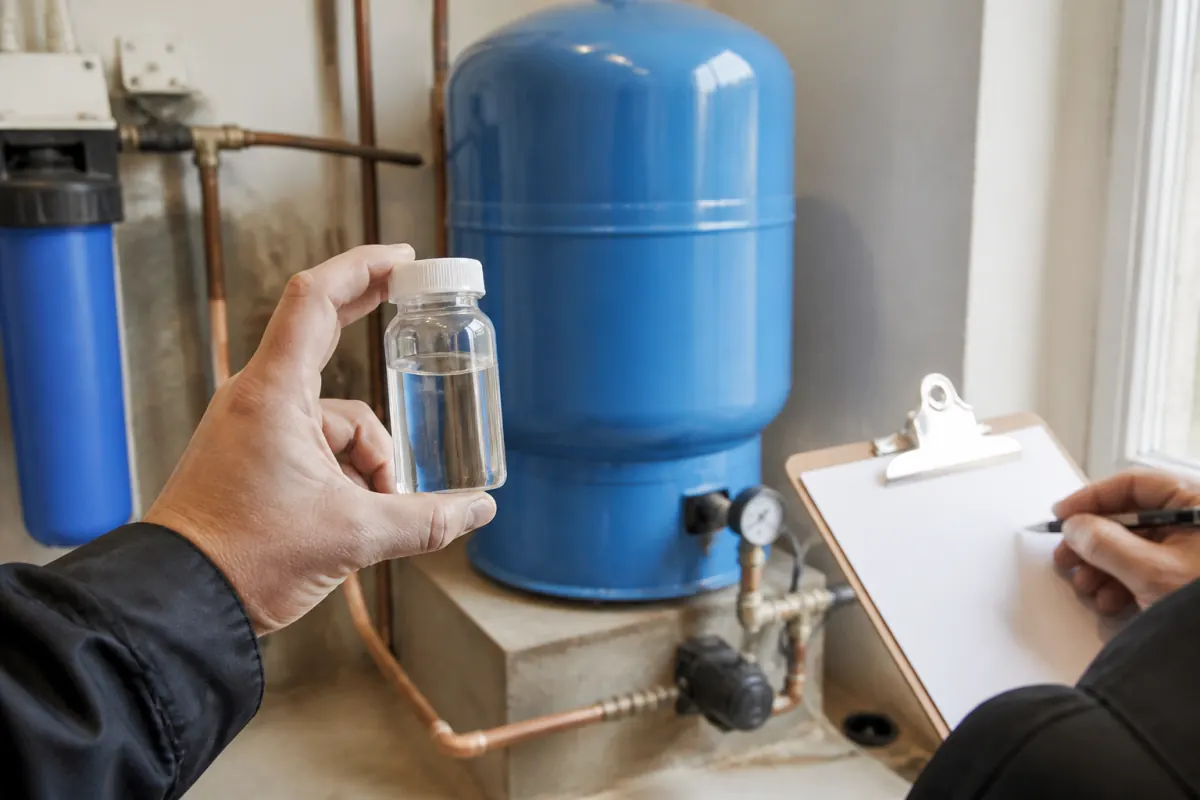
A sale may trigger specific state, county, or lender testing rules. Even where testing is not automatically required, a buyer may request it in the purchase contract. Test early enough to allow time for confirmation testing or treatment if a result falls outside an applicable standard.
Do not treat one clean sample as proof that every part of the shared system is fine. Sampling location matters. A problem can originate in the well, pressure system, treatment equipment, or a home's service line. Ask the laboratory or a qualified well professional where to collect samples and whether more than one tap should be tested.
If a test finds bacteria or another contaminant, disclose the result as required and get professional advice. The response might involve disinfection, a repaired well cap, treatment equipment, plumbing work, or a new water source. Retesting should confirm whether the work corrected the issue. Avoid promising a simple fix until the cause is known.
Well Yield, Pressure, and Equipment Condition
Safe water is only part of the question. The shared system must also deliver enough water at usable pressure when multiple homes need it. A buyer, inspector, appraiser, or lender may ask for a flow or yield test, especially if occupants have reported low pressure or the well serves several properties.
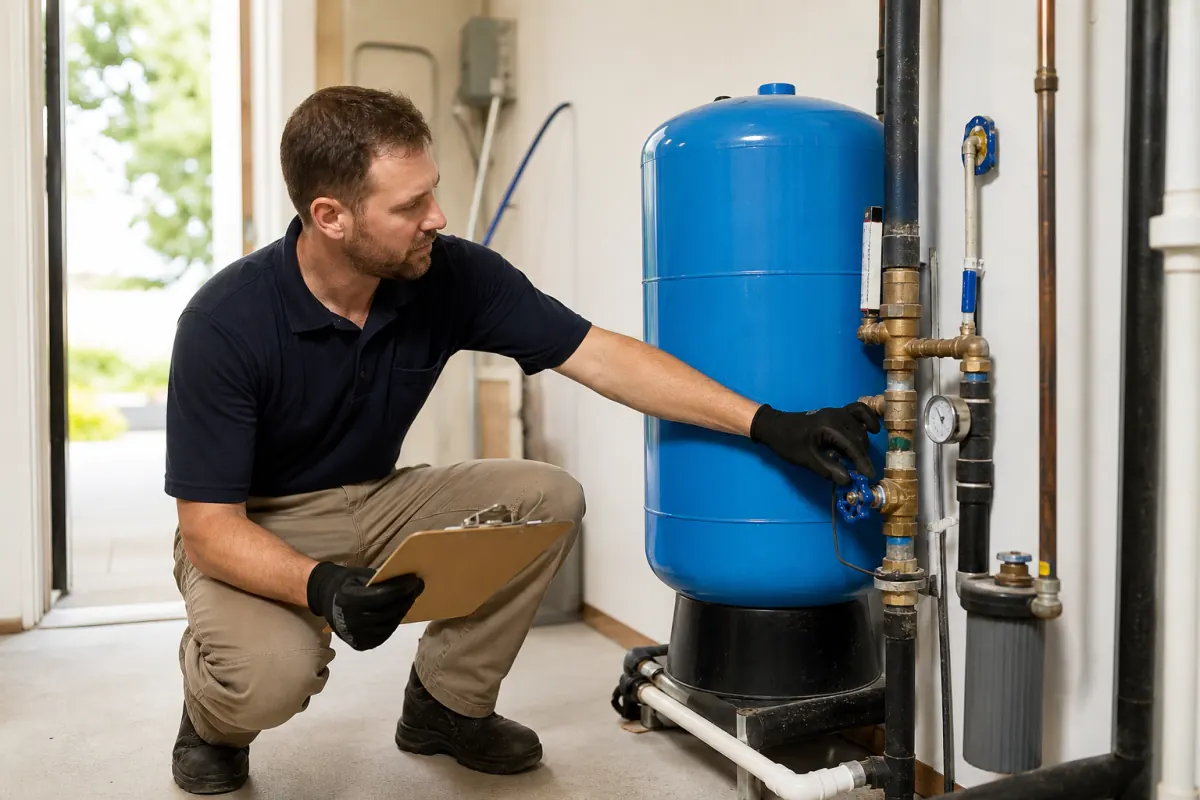
A qualified well contractor can examine the pump, pressure tank, controls, wellhead, visible lines, and treatment system. They may also evaluate recovery rate and sustained output. A brief faucet test does not show how the system behaves during heavy use.
Gather honest answers to practical questions:
- How many homes or parcels use the well?
- Has the well ever run low or dry?
- Does pressure drop when neighbors irrigate or use several fixtures?
- Who owns the pump and pressure tank?
- Whose electric meter powers the equipment?
- Are there individual shutoff valves?
- How old are the pump, tank, and treatment components?
- Are any service lines leaking or difficult to access?
A known defect does not always prevent a sale. It does affect price, financing, repair negotiations, and disclosure. Sellers may complete the work, offer a credit where permitted, place funds in escrow, or sell to a buyer willing to accept the condition. The right choice depends on the contract and lender.
Skip the Repair Guesswork
If shared-well questions are complicating your sale, request a free cash offer and compare it with your other options.
Disclosure, Title, Easements, and Neighbor Disputes
Seller disclosure laws vary by state, but known material facts about the water supply may need to be disclosed. That can include failed tests, intermittent supply, leaks, equipment problems, access disputes, unrecorded cost arrangements, or a neighbor who owes money. Give truthful, specific answers and attach records when the disclosure form allows it. Concealing a known problem creates far more risk than addressing it before closing.
Title review should confirm that the buyer will receive enforceable rights to use the well and reach the equipment. If a pipe crosses another parcel without a recorded easement, the title company or lender may require the owners to document that right. The same concern applies when other users must enter your land to service the system.
A disagreement with a neighbor deserves early attention. Put the history in writing, collect invoices and messages, and have an attorney review the agreement. Do not make unilateral changes to access, power, valves, or water service. A signed settlement, updated agreement, or paid balance is easier to explain at closing than an unresolved conflict.
Who Pays for Shared-Well Repairs Before Closing?
The agreement should control how shared expenses are allocated. Some divide costs equally by household. Others use a different formula or make each owner responsible for their own service line. Damage caused by one property may be assigned to that owner, while pump replacement or well rehabilitation may be shared.
The purchase contract can also shift responsibility between seller and buyer. For example, the seller might repair a leak before closing, credit an agreed amount, or sell without completing the work. Lender-required repairs may have to be completed before funding, even if the buyer would otherwise accept them.
Get written estimates before agreeing to a credit. Well work can change once the contractor identifies the actual cause. If the parties plan to use an escrow holdback, confirm that the lender and closing agent permit it and specify who controls the work, deadline, inspection, and unused funds.
A Practical Timeline for Selling a House With a Shared Well
- Find the documents. Collect the recorded agreement, easements, well log, permits, test results, bills, and repair history.
- Talk with the other owners. Confirm contact information, payment status, current concerns, and access for inspection.
- Review title early. Ask the title company or attorney whether use and access rights are recorded and transferable.
- Order appropriate tests. Use certified professionals for water sampling and any yield, flow, or equipment inspection requested.
- Correct document gaps. If needed, have a local attorney prepare an agreement or easement that can be recorded.
- Disclose known facts. Complete state and local disclosures accurately and provide supporting records.
- Confirm financing requirements. Ask the buyer's lender to review shared-well documents early in the contract period.
- Resolve repair terms in writing. State what will be fixed, credited, accepted as is, or handled after closing.
- Deliver final records. Give the buyer copies of current test results, contacts, bills, warranties, and operating instructions.
Preparation matters more than perfection. A documented, working shared well can be acceptable to many buyers. Surprises cause delays. If the paperwork is incomplete, the water fails a test, or the neighbors disagree, deal with it before the final week of escrow.
If the inspection uncovers other expensive property concerns, our guide to selling a house with foundation problems explains how to compare repairs with an as-is sale.
Questions Sellers Often Ask
Can you sell a home without a written shared-well agreement?
A sale may be legally possible in some places, but a missing agreement can create title and financing problems. Buyers need a dependable right to water and access, and lenders may require a recorded agreement with specific terms. Ask a local attorney and the buyer's lender what is required.
Does the seller have to test the well water?
It depends on state and local law, the purchase contract, and the loan program. A lender may require testing even when local law does not. The EPA recommends regular private-well testing regardless of a sale.
Will a shared well lower the home's value?
Not automatically. Value depends on local buyer expectations, system condition, water quality and capacity, operating costs, and the strength of the recorded agreement. Poor records or an active dispute are more likely to hurt marketability than the shared arrangement by itself.
Should the seller pay for a new shared-well agreement?
That is negotiable, but correcting the issue before listing can widen the buyer pool and reduce lender delays. Because every owner may need to sign, start early and use a lawyer familiar with local real estate and water rights.
Compare an As-Is Cash Offer
You can request a free Cha-Ching Co cash offer, then decide whether it fits better than listing and handling the well issues yourself.
Sources and Further Reading
- HUD Single Family Housing Policy Handbook 4000.1
- EPA guidance for testing and protecting private well water
Disclaimer: This article provides general educational information and is not legal, lending, engineering, environmental, or real estate advice. Shared-well rules, disclosures, water tests, and loan requirements vary by location and transaction. Consult a local real estate attorney, licensed agent, title professional, lender, health department, and qualified well contractor for advice about your property.