Selling a house with broken appliances is usually possible. A dead dishwasher, unreliable oven, or aging refrigerator does not automatically stop a sale, but it can change the price, negotiations, and buyer expectations. The cleanest approach is to identify what is broken, disclose what your state and contract require, and choose whether to repair, credit, remove, or sell the home as-is.
Want to sell without replacing every appliance?
Cha-Ching Co can review your property and provide a free cash offer based on its current condition.
Can you sell a house with broken appliances?
Yes. Most homes are sold through a negotiated contract, and the parties can agree on which appliances remain, their condition, and whether the seller will make repairs. Buyers purchase older homes with worn or nonworking appliances every day. The issue is rarely whether the sale is allowed. It is whether the condition is described accurately and reflected in the deal.
There is an important distinction between a freestanding appliance and a fixture. A fixture is personal property that has become part of the real estate through attachment. Whether something counts as a fixture depends on facts such as how it is attached and the parties' intent, according to the Legal Information Institute's fixture overview. A built-in cooktop is more likely to be treated as part of the home than a freestanding refrigerator, but local rules and the purchase contract control.
Do not rely on assumptions. The listing and purchase agreement should state which refrigerator, range, washer, dryer, dishwasher, or other item is included. If an included appliance does not work, say so in writing. If you plan to remove it before closing, put that in writing too.
What selling a house with broken appliances can change
A broken appliance can affect a sale in several ways. The size of the effect depends on the appliance, the home's price range, the buyer's financing, and whether the problem suggests a larger defect.
Buyer confidence and inspection findings
A home inspector may test installed appliances that are included in the sale. A report that lists several nonworking items gives the buyer a reason to ask questions. One broken dishwasher may be a modest issue. A dead oven, leaking refrigerator, and dryer with a damaged vent can make the property feel poorly maintained, even if the roof and structure are sound.
Leaks and unsafe connections deserve more attention than cosmetic wear. A leaking dishwasher may damage cabinets or flooring. A gas range that does not ignite properly may raise a safety concern. A dryer vent packed with lint is not just an appliance problem. Fix active water, gas, electrical, and fire hazards before concentrating on appearance.
Negotiation and price
Buyers often respond in one of four ways: accept the condition, ask for a repair, request a closing credit, or lower their offer. Their request may exceed the actual cost of a basic replacement because they are pricing in inconvenience and uncertainty. A written diagnosis or repair estimate can keep the discussion grounded.
Broken appliances matter more in a move-in-ready listing than in a property already marketed as a fixer-upper. If your price assumes polished finishes and immediate occupancy, buyers will expect the included appliances to work. If the price already accounts for deferred maintenance, replacing every old appliance may not return what you spend.
Financing and appraisal concerns
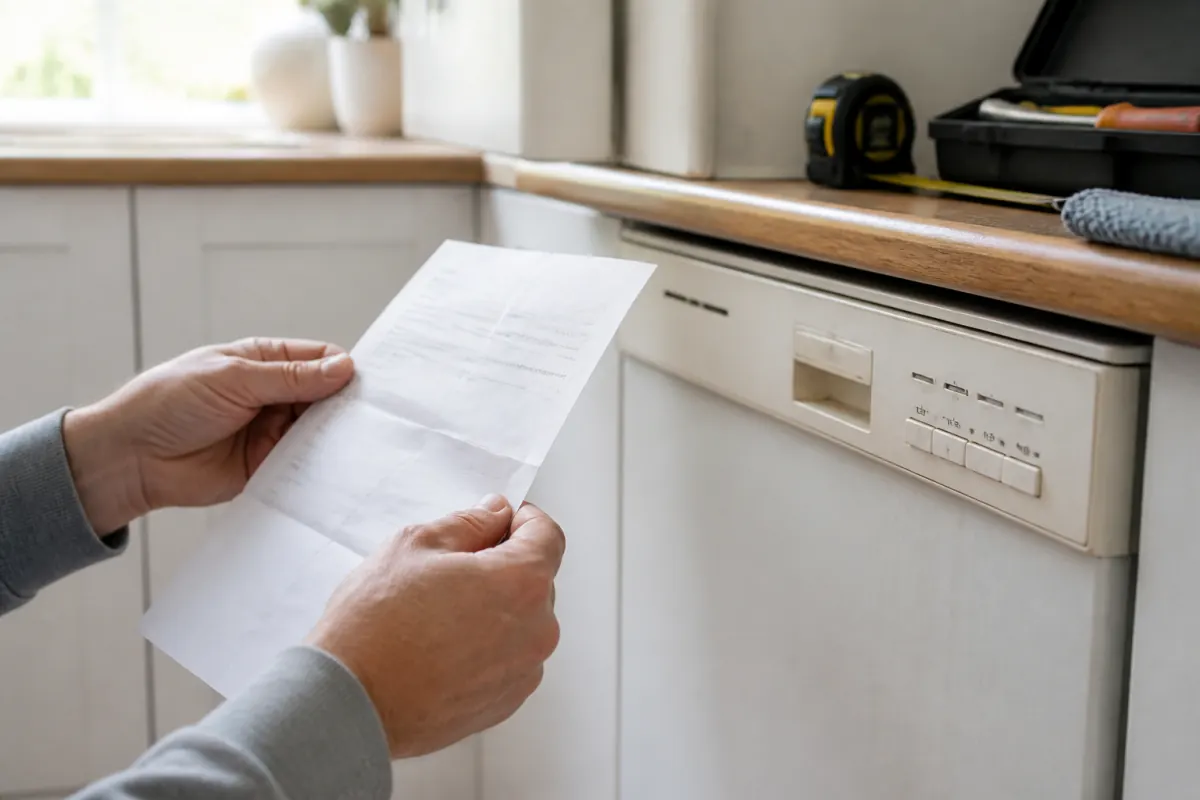
A standard appraisal focuses mainly on the property's market value and condition, not whether every freestanding appliance works. Still, loan programs and individual lenders may have property standards. Permanently installed systems and health or safety defects receive more scrutiny than a removable microwave or washer.
Ask the buyer's lender or appraiser about a specific concern instead of guessing. Do not promise that financing will be unaffected. A nonworking built-in cooking appliance, exposed wiring, active leak, or missing component may be treated differently from an old refrigerator that the seller will remove.
Should you repair, replace, credit, or sell as-is?
There is no single right answer. Start with the likely repair cost, then compare it with the probable effect on the sale. Keep your timeline in mind. A repair that makes sense for a conventional listing may be wasted effort if you need a simple as-is closing.
Repair the appliance
Repair can make sense when the diagnosis is clear, the part is available, and the cost is modest. A new heating element, drain pump, belt, or igniter may solve the problem without the expense of replacement. Get a written estimate and ask whether the work includes a transferable warranty.
Be cautious with old units that have repeated failures. Paying for one repair does not guarantee that a 15-year-old refrigerator or range will stay reliable through closing. If the technician identifies multiple failing components, replacement or a credit may be cleaner.
Replace it
Replacement can help when an appliance is built in, visually prominent, or necessary for the market position of the home. Choose a reliable model that fits the space. A luxury upgrade rarely pays off in an ordinary home, and an unusual size can create installation delays.
Confirm delivery, hookups, haul-away, and any cabinet or countertop work before ordering. A bargain appliance is not a bargain if installation requires electrical, plumbing, or carpentry changes.
Offer a credit
A closing credit lets the buyer choose the replacement and saves you from coordinating the work. Credits must be written into the contract and may be limited by the loan program or lender. Your real estate agent and closing professional can help structure the agreement correctly.
A credit is often easier than installing a model the buyer dislikes. It also reduces arguments about warranties and whether the replacement is equivalent. The amount should be based on a reasonable repair or replacement estimate, not a verbal guess.
Sell the house as-is
An as-is sale tells buyers that you do not plan to make repairs, but it is not a license to hide known defects. Disclosure duties vary by state, and an as-is clause may not erase them. Complete the required seller forms honestly and ask a local real estate attorney or licensed agent about questions specific to your state.
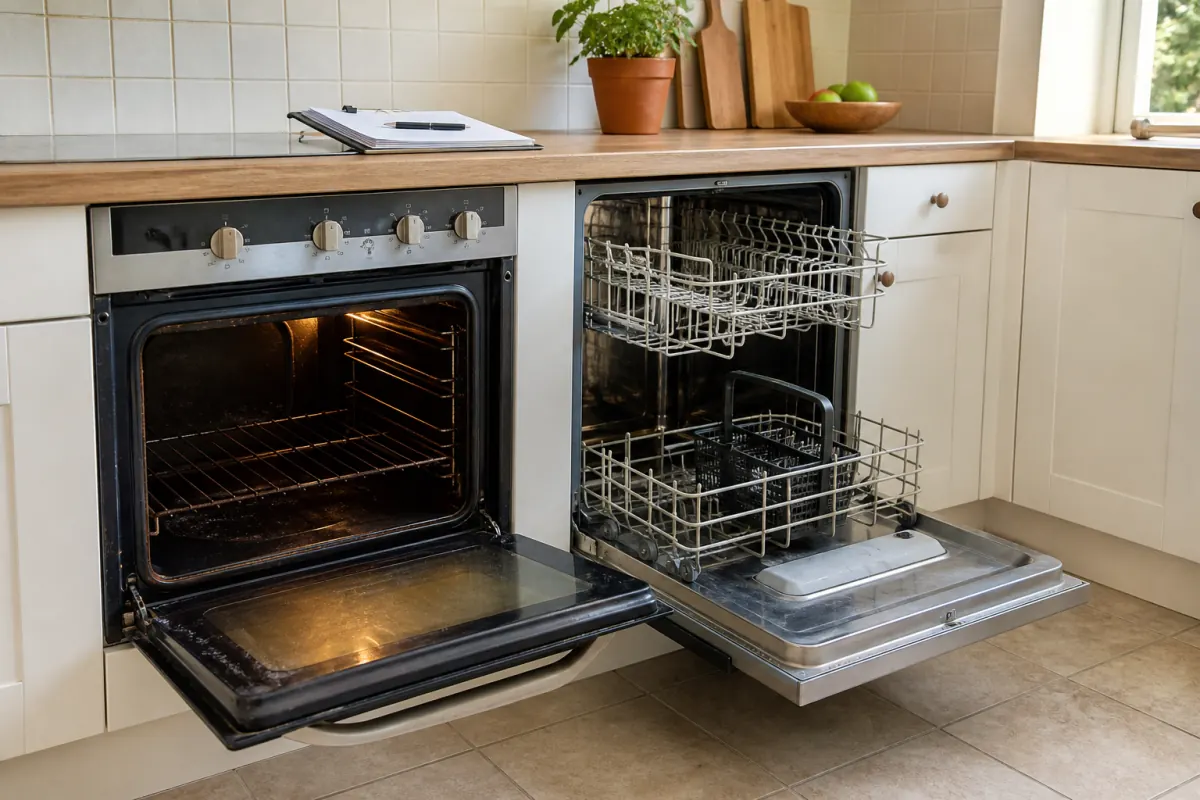
If appliances are only one item on a longer repair list, compare a traditional listing with an as-is sale. Our guide to selling a house as-is explains what buyers typically evaluate. If the property needs broad cosmetic or system work, the options in our fixer-upper selling guide may also help.
Compare the cost of repairs with an as-is offer
Get a free cash offer before spending money on appliances you may not need to replace.
How to prepare for selling a house with broken appliances
- Make an appliance list. Record the brand, model, approximate age, ownership status, and known problem for every item that may stay with the home.
- Test each item safely. Note error codes, leaks, unusual sounds, and intermittent failures. Stop using anything with a gas smell, sparking, damaged wiring, or active water leak.
- Check warranties and recalls. A repair may be covered. Search by the exact model and serial number, not only the brand name.
- Get one or two estimates. Ask for both repair and replacement costs. Include delivery, installation, permits if applicable, and removal.
- Decide what stays. Identify each included and excluded item in the listing and contract. Do not swap an included appliance for a cheaper one without a written agreement.
- Disclose known defects. Use the required state forms and add clear written details where needed. Keep copies of estimates, invoices, and buyer communications.
- Price the home consistently. A home advertised as move-in ready should support that claim. An as-is home should be priced with its visible repair burden in mind.
What to do with an appliance you remove
If you remove a broken refrigerator, freezer, window air conditioner, or dehumidifier, do not cut its lines or dump it at the curb without checking local requirements. The EPA says most refrigerants cannot be knowingly released during disposal. It recommends checking with your utility, municipality, retailer, or qualified recycler for collection and refrigerant recovery. See the EPA's current appliance disposal guidance.
Ask the delivery company whether haul-away is included when you buy a replacement. Some utilities also offer rebates or pickup programs, though eligibility may depend on the appliance's age, size, or operating condition. Keep a disposal receipt if the appliance was named in the original listing, so there is a clear record of what happened to it.
Questions sellers often ask
Do all appliances have to work to sell a house?
No. The buyer and seller can negotiate the condition and inclusion of most appliances. Safety defects, permanently installed equipment, lender requirements, and state disclosure rules may need special attention.
Can I remove a broken refrigerator before closing?
Usually, if it was excluded from the sale or the buyer agrees in writing. If the contract says the refrigerator is included, get a signed amendment before removing or replacing it.
Is a home warranty a substitute for disclosure?
No. A warranty may help with eligible future failures, but plans have exclusions, service fees, and coverage limits. It does not make a known defect disappear and should not be described as guaranteed repair coverage.
Will replacing appliances increase my sale price?
Sometimes, but not dollar for dollar. Replacement may help the home show better or avoid a negotiation snag. Compare the likely buyer reaction with the full installed cost before spending.
Choose the option that fits the whole sale
Selling a house with broken appliances is manageable when the condition is documented and the contract is specific. Repair inexpensive problems that could worry buyers, address real hazards, and avoid pouring money into replacements that do not fit your sale plan. If speed and simplicity matter more than maximizing the retail listing price, an as-is cash offer gives you another number to compare.
See what your home could sell for today
Cha-Ching Co provides free cash offers for homes in their current condition, with no obligation to accept.
Disclaimer: This article provides general educational information and is not legal, tax, lending, appraisal, or real estate advice. Disclosure laws, contract terms, and loan requirements vary by location and transaction. Consult a licensed local real estate professional, attorney, lender, or other qualified adviser about your situation.