Cash for old cars can be a good answer when a vehicle is too worn out, too expensive to repair, or simply sitting in the driveway taking up space. The hard part is knowing what the car is actually worth, what paperwork you need, and how to avoid accepting the first low offer just because you want the problem gone.
An old car can still have value for parts, scrap metal, resale, or repair. Even if it does not start, has high mileage, failed smog, needs a transmission, or looks rough, a buyer may still be willing to pay cash and tow it away. The goal is not to make the car perfect. The goal is to understand the sale options, compare offers, and leave with clean paperwork.
Want a Fair Cash Offer for an Old Car?
Cha-Ching Co helps sellers compare the easy path when an old car is no longer worth fixing.
How cash for old cars usually works
The basic process is simple. You give the buyer the vehicle details, they make an offer, you agree on a pickup time, and the vehicle is removed after the paperwork is signed. The details matter, though. A fair buyer will ask for the year, make, model, mileage, title status, condition, location, and whether the car can roll, steer, and brake.
Those answers affect the offer. A running old car may be worth more as a cheap transportation vehicle. A non-running car may be priced for parts and scrap. A car with a clean title is usually easier to sell than one with missing paperwork. A vehicle with popular parts may be worth more than a similar car with low demand.
For a wider look at the sale process, read Cha-Ching Co's guide on how to get cash for your car. If your vehicle is closer to a junk or salvage sale, the cash for junk cars guide is a helpful next read.
What makes an old car worth cash?
Old does not always mean worthless. Buyers look at several things before deciding what they can pay. The biggest factor is usually whether the car has useful parts, repair potential, or scrap weight. A 20-year-old pickup with a good engine can be more attractive than a newer sedan with major frame damage. A high-mileage car that still runs may be easy for a budget buyer to put back on the road.
Make and model matter because some vehicles have stronger parts demand. Trucks, SUVs, Hondas, Toyotas, work vans, and certain luxury models often hold value longer than expected. Condition matters too, but not in the same way it would for a retail sale. A cash buyer is usually less worried about dents, faded paint, torn seats, or warning lights than a private buyer would be.
Location also affects value. If a tow truck has to travel far or the vehicle is stuck in a tight garage, the buyer may lower the offer to cover removal costs. If the car is easy to access and has all four wheels, pickup is easier and the offer may be stronger.
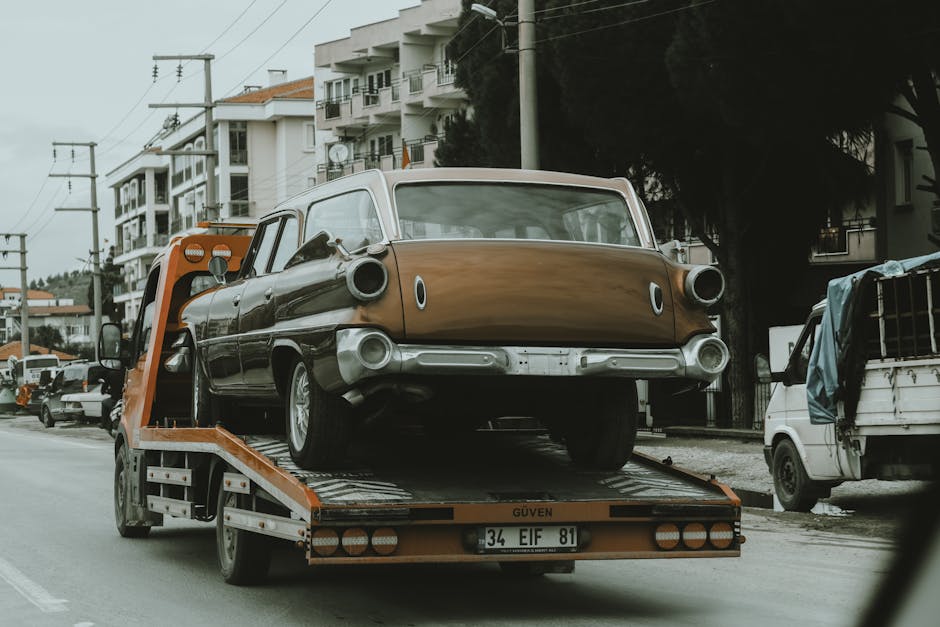
Cash for old cars vs private sale
A private sale can bring more money if the car is clean, running, easy to register, and appealing to regular buyers. The tradeoff is time. You may need to take photos, write a listing, answer messages, schedule test drives, meet strangers, negotiate, and deal with buyers who disappear.
Cash for old cars is usually about speed and certainty. You may not get the highest possible retail price, but you avoid weeks of listing work and buyer back-and-forth. That can make sense when the car needs repairs, has cosmetic problems, will not pass inspection, or is not worth the cost of making it retail-ready.
A simple way to think about it: private sale is best when the car is easy for a normal buyer to drive home. A cash buyer is better when the car has a problem that scares normal buyers away.
Cash for old cars with title issues
The title is one of the first things to check. In most states, a valid title proves ownership and is needed to transfer the vehicle. If your title is missing, damaged, or still lists a lender, deal with that before you schedule pickup if possible. Your state DMV or motor vehicle agency can explain replacement title rules and any forms required for your situation.
If there is a lien on the vehicle, call the lender and ask for the payoff amount and title release process. Do not promise a buyer clean title until you know how the lien will be handled. If the car belonged to a family member, is part of an estate, or has multiple names on the title, confirm who has authority to sign.
Some buyers purchase certain vehicles without a title, but rules vary by state and vehicle type. When that is allowed, the offer is often lower because the buyer has more paperwork risk. Be honest about title status from the first conversation. Surprises at pickup are a common reason offers change or deals fall apart.
Skip the Guesswork Before Pickup
Share the condition, title status, and location to see what your old car may bring in cash.
How to compare cash for old cars offers
Do not compare the headline number only. Ask what is included. A $900 offer with free towing and same-day pickup may beat a $1,000 offer that charges for towing or changes the number after seeing the vehicle. Ask whether payment is cash, certified check, business check, electronic payment, or another method. If anything sounds vague, get it clarified before pickup.
Give every buyer the same information so the quotes are fair to compare. Tell them whether the car starts, whether the catalytic converter is present, whether the tires hold air, whether there is body damage, and whether the title is clean. Send photos if asked. Clear photos can protect you from last-minute renegotiation because the buyer has already seen the obvious issues.
Watch for pressure. A buyer can make a fast offer without rushing you. You should have time to read the paperwork, check the payment, remove personal items, and keep copies of sale documents. If someone says the offer is only valid if you sign immediately, slow the conversation down.
What to do before the tow truck arrives
Clean out the car before pickup. Check the glove box, trunk, center console, door pockets, under the seats, and any hidden storage areas. Remove the license plates if your state requires it. Cancel insurance only after the sale is complete and you have the documents you need.
Take photos of the car, odometer, VIN plate, signed title, bill of sale, and pickup. Keep copies in a folder. If your state has a release of liability, vehicle transfer notice, or seller notification form, file it promptly. This step matters because it helps show that you no longer own the vehicle after the sale.
Do not leave paperwork blank. Fill in the buyer name, sale date, sale price, mileage when required, and signatures. Blank title assignments can create problems later. If you are unsure how to sign, check your DMV's instructions before the buyer arrives.
When repairing the car first makes sense
Sometimes a small repair can raise the sale price. A dead battery, flat tire, dirty interior, or missing key may be worth fixing if the cost is low. A running car usually attracts more buyers than one that has to be dragged onto a truck.
Big repairs are different. Transmission work, engine replacement, major electrical diagnosis, frame repair, and full paint work can cost more than the car will bring back. Before spending money, compare the car's likely value as-is with its value after repair. Be realistic. A $2,500 repair does not always add $2,500 to the sale price.
If you need the space, do not have time to manage repairs, or feel done with the car, selling as-is can be the cleaner choice. That is not giving up. It is deciding that your time and cash are better used somewhere else.
Common mistakes when selling an old car for cash
The first mistake is assuming the car has no value. Even a rough vehicle may have a usable engine, wheels, catalytic converter, body panels, interior parts, or scrap metal. Get at least more than one offer when possible.
The second mistake is hiding condition issues. If the engine is locked, the title is missing, the car has flood damage, or parts have been removed, say so. A serious buyer would rather price the car correctly upfront than discover the issue in your driveway.
The third mistake is failing to protect yourself after the sale. Keep paperwork, file state notices, and confirm payment before the car leaves. Most sales go smoothly, but documentation is what protects you if a ticket, toll, tow bill, or title question shows up later.
Is cash for old cars the right move?
Cash for old cars is usually right when the vehicle is older, needs work, is hard to sell privately, or is costing you money to keep around. It is also a practical option when you want a simple sale without cleaning, advertising, showing, negotiating, or arranging repairs.
It may not be the best move if the car is clean, in demand, and easy to sell to a private buyer. In that case, listing it yourself could bring more money. But if the car is sitting, not running, expired, damaged, or simply more trouble than it is worth, a cash offer can turn a stuck asset into money and clear space fast.
The best sale is the one you understand. Know the title status, compare the offer terms, get the paperwork right, and choose the buyer who gives you a clear number with a clear pickup process.
Ready to Sell an Old Car As-Is?
Cha-Ching Co can help you see what your old car may be worth without repairs or listing stress.
Disclaimer: This article is for general information only and is not legal, tax, DMV, or financial advice. Vehicle title, registration, lien, plate, inspection, and seller notice rules vary by state and situation. Check your state motor vehicle agency and speak with a qualified professional if you are unsure about your paperwork or obligations.