If you are asking, can I sell my car if I owe toll fees, the short answer is usually yes. Unpaid tolls normally follow the registered owner or account, not the next buyer. But toll debt can trigger a registration hold or suspension in some states, and that can complicate a title transfer, dealer sale, or test drive. The safest move is to check both your DMV record and the toll agency account before you agree on a price.
Want a Simple Way to Sell Your Car?
Tell Cha-Ching Co about your vehicle and request a free cash offer with no obligation.
Can I Sell My Car If I Owe Toll Fees in My State?
In most cases, you can sign the title and sell the car even when toll bills remain unpaid. Still, state rules vary. The important distinction is whether the toll agency has only sent you a bill, or whether it has already asked the DMV to place a hold or suspend the registration.
A basic unpaid invoice may have no effect on the title. A DMV enforcement action is different. It can prevent registration renewal, make the car illegal to drive, or slow down paperwork at the time of sale. It does not necessarily erase your ability to sell, but it can make a buyer or dealer unwilling to finish the transaction until the record is cleared.
California is one example of why the details matter. The California DMV transfer manual says parking or toll violations recorded before a transfer are removed from the vehicle record when ownership changes. Certain family and trust transfers are treated differently and may be blocked until the violations are cleared.
New York takes a different approach to enforcement. The New York DMV can suspend a registration after specified unpaid toll violations or balances. A person should not drive a vehicle with a suspended registration, including for a test drive or trip to a dealership.
Florida may place a registration stop for unpaid tolls. The state's registration-stop procedure indicates that a title transaction may still be possible in some circumstances even when renewal of an existing plate is blocked. That is exactly why a general answer from a buyer or online forum is not enough. Your state DMV and the agency named on the toll notice are the right sources for your specific record.
How Unpaid Tolls Can Affect a Car Sale
Toll debt can touch several parts of a sale even when it does not create a lien on the title.
A registration hold or suspension
Some toll authorities report serious or repeated nonpayment to the DMV. The result may be a hold that prevents renewal, or a suspension of the current registration. A private buyer may still be able to apply for a new title, depending on state law, but a suspended registration creates an immediate driving problem. Be honest about it before anyone gets behind the wheel.
Added fees and collections
The toll itself may be small while administrative fees are not. Waiting can also send the account to collections. Selling the vehicle does not cancel a toll balance that arose while you owned it. The toll agency can continue trying to collect from you after the car is gone.
Dealer or cash-buyer policies
A dealer may have a stricter policy than the DMV. Dealers want clean paperwork and predictable transfer costs. Some will subtract a known balance from the offer, ask you to clear the hold first, or decline the car until you provide proof of payment. A cash buyer may be more flexible, particularly for an older or damaged vehicle, but will still need valid ownership documents.
Plate-based toll charges after the sale
Many electronic toll systems identify vehicles by license plate when a transponder is not read. If you leave your plate on the car where state law tells you to remove it, or forget to close the vehicle on your toll account, later trips can keep appearing under your name. That is preventable with a careful handoff.
What to Clear Before You Sell the Car
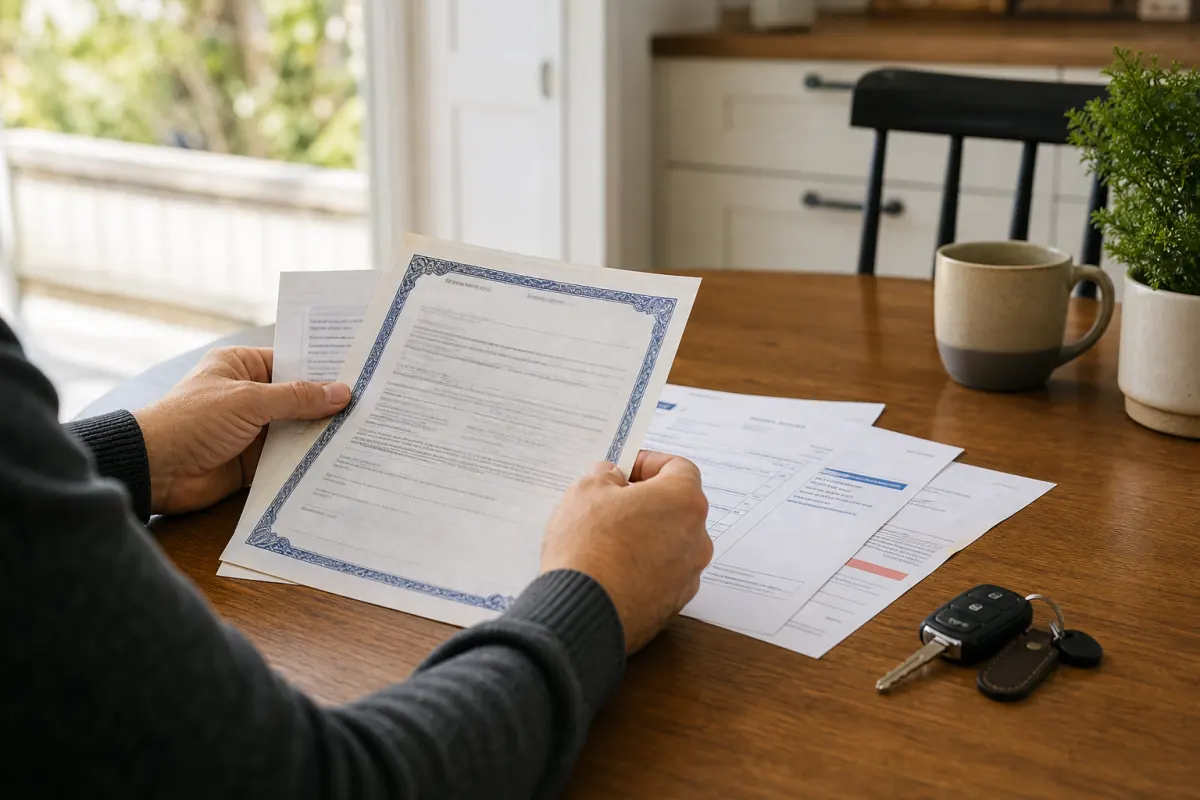
Use this order so you do not pay the wrong party or promise a buyer paperwork you cannot deliver.
- Review every toll notice. Match the plate, date, location, and vehicle. A plate-reading error or a charge from after an earlier sale may be disputable.
- Check your toll account online. Look for unpaid trips, violation fees, collection status, and any warning about DMV action.
- Check the vehicle record with your DMV. Confirm whether the title is clear and whether the registration is active, suspended, or subject to a stop.
- Call the toll agency if the record is unclear. Ask what must be paid to release any DMV hold and how long electronic clearance normally takes.
- Save proof. Keep the payment receipt, confirmation number, clearance letter, and screenshots of the zero balance.
Do not assume payment updates the DMV instantly. An electronic release may take time to move between systems. If the sale is scheduled soon, ask the toll agency whether it can issue written proof that the DMV or title office will accept.
Selling an Older or Unwanted Vehicle?
Cha-Ching Co can review your car details and provide a free cash offer.
Can I Sell My Car If I Owe Toll Fees to a Private Buyer?
Yes, a private sale may still work if you have the right to transfer the title. Give the buyer a truthful picture of the registration status. If the registration is suspended, do not allow a road test on public streets. Arrange a legal alternative, such as clearing the suspension first or having the vehicle inspected where it sits.
Use a written bill of sale showing the date, time, price, VIN, mileage, and both parties' names. Follow your state's instructions for plates. Some states require the seller to remove them, while others assign plates to the car. Submit the seller's release of liability or notice of sale as soon as required.
For example, California tells sellers to file a Notice of Transfer and Release of Liability within five days. That notice helps protect the seller from parking, traffic, and civil liability tied to events after the reported sale date. It does not complete the buyer's title transfer, so both sides still need to handle their required paperwork.
If your title is missing, solve that separately. Toll fees and proof of ownership are different issues. A buyer should not accept a handwritten promise that a replacement title will arrive later.
Can I Trade In a Car With Unpaid Tolls?
You can ask a dealer or cash buyer for an offer before paying the tolls. Share the exact status when you do. If there is no title problem and no registration enforcement, the buyer may proceed normally. If a DMV hold exists, the buyer may make the offer conditional on clearance.
Bring your title, registration, photo ID, loan payoff information if applicable, and toll documents. If you also owe money on the auto loan, read our guide to selling a car that still has a loan. A lender's lien is a direct title issue and usually must be paid or handled through the sale. Toll debt is generally a separate obligation.
Cars with major mechanical trouble have another set of pricing questions. Our guide to selling a car with a blown engine explains how condition, towing, and missing service history may affect an as-is offer.
What If the Toll Charges Are Wrong?
Dispute charges promptly using the instructions on the notice. Gather a dated bill of sale, release-of-liability confirmation, plate surrender receipt, police report for a stolen plate, or proof that the vehicle was elsewhere. A clear timeline matters.
If the charge occurred before your sale, selling the car will not turn a valid debt into the buyer's debt. If it occurred after the sale, your notice of sale and plate records may help show that you were no longer responsible. Keep copies even after the title transfer is complete.
Do not ignore a notice just because you believe it is wrong. Appeal windows can be short, and fees may rise while the issue sits unresolved. Contact the agency in writing when possible so you have a record of the dispute.
How to Protect Yourself on Sale Day
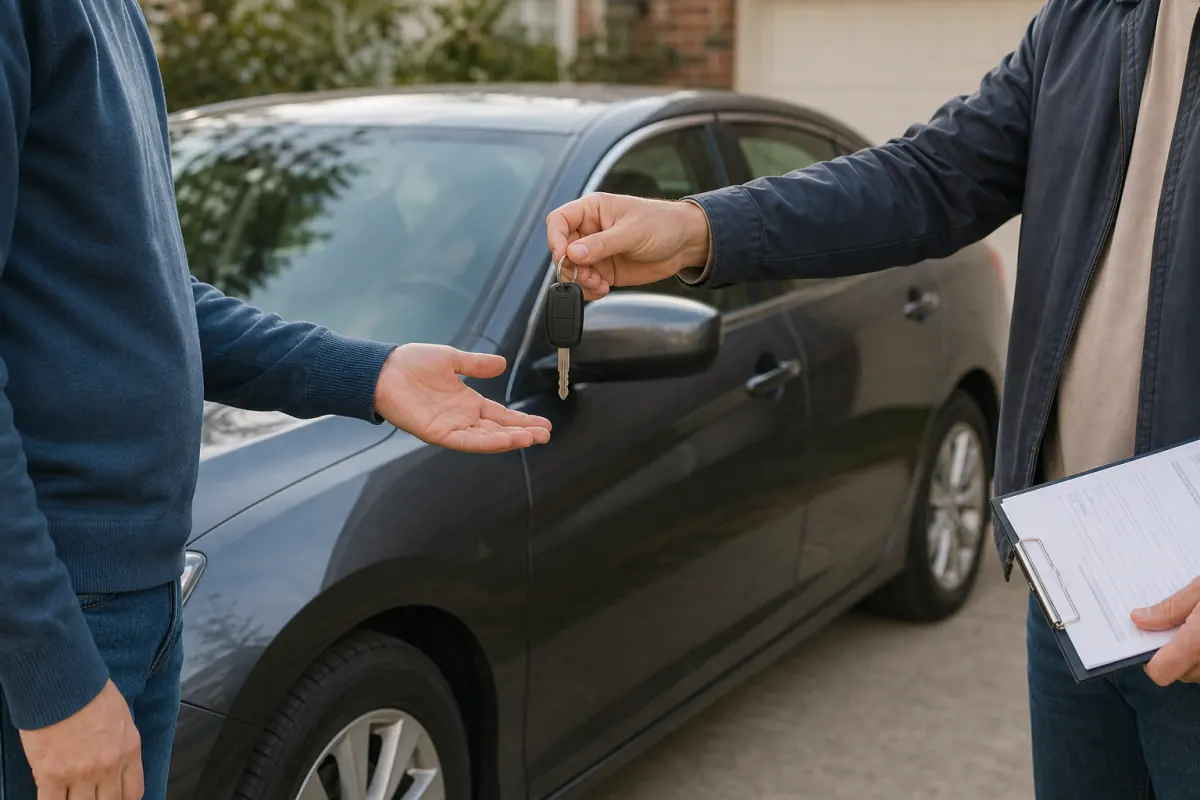
- Confirm the title has no lender or legal-owner lien that you have not addressed.
- Verify the registration status before a test drive.
- Record the exact date and time possession changes hands.
- Remove the vehicle from your electronic toll account at the correct time.
- Remove or transfer the plate as your state requires.
- File the DMV notice of sale or release of liability promptly.
- Keep the signed bill of sale and submission confirmations.
Also check whether the toll transponder belongs to you. Remove it from the windshield before the buyer leaves. If the account supports vehicle end dates, enter the sale date and confirm that automatic replenishment or plate billing is no longer tied to the car.
The Bottom Line
So, can you sell your car if you owe toll fees? Usually, yes. The debt typically remains yours, and a registration hold or suspension may need attention before the sale can move smoothly. Check the toll account, confirm the DMV status, disclose any driving or registration restriction, and keep proof of the transfer. Paying or formally disputing the balance before sale is often the cleanest route, even when state law does not make it mandatory.
Ready to See What Your Car Could Be Worth?
Request a free cash offer from Cha-Ching Co and decide whether it works for you.
Disclaimer: This article provides general information and is not legal, tax, or financial advice. Toll enforcement, title-transfer, registration, and plate rules vary by state and agency. Confirm current requirements with your state DMV, toll authority, lender, or a qualified local professional before selling a vehicle.