If you want to sell car after accident damage, the best next step depends on whether the insurer considers the vehicle repairable, whether you still owe money on it, and how much time you can spend finding a buyer. You do not have to repair every dent before selling. You do need to settle any claim issues, describe the damage honestly, and transfer the title correctly under your state's rules.
Want a simple as-is option?
Cha-Ching Co can help you request a free cash offer without requiring you to repair the car first.
Can you sell car after accident damage?
In most cases, yes. A car does not have to look perfect to be sold. It may be sold after cosmetic damage, after mechanical damage, or even after an insurer declares it a total loss. The paperwork and the likely buyer change with the severity of the damage.
First, confirm the vehicle is legally yours to sell. Your name should appear on the title, and any lender listed on the title usually must be paid before the buyer can receive clear ownership. If the car has been declared a total loss, your state may require a salvage certificate or a branded title. California's DMV, for example, explains that a salvage brand identifies a vehicle that was wrecked or damaged enough to be considered too expensive to repair. Terminology and thresholds vary by state, so check your own DMV before advertising the car.
Do not sell the vehicle in the middle of an unresolved insurance claim without talking to the adjuster. The insurer may still need to inspect it, photograph it, or take possession if it pays a total-loss settlement. Selling too soon can remove evidence the insurer needs and may complicate your claim.
Before you sell car after accident repairs or as-is
Get the claim status in writing. Ask whether the insurer considers the vehicle repairable or a total loss, whether payment has been approved, and who will own the salvage after settlement. The National Association of Insurance Commissioners notes that an insurer may take title when it pays a total-loss claim because the company is entitled to the salvage value. An owner can sometimes negotiate to keep the vehicle, with the salvage value deducted from the settlement.
If you keep a totaled car, expect extra paperwork. You may need a salvage certificate before selling it, and the next owner may face inspections before the vehicle can return to the road. A car classified as non-repairable may be limited to parts or scrap and may never qualify for road registration again. Those distinctions matter. Check the title itself and your DMV record rather than relying on what a repair shop or buyer calls the car.
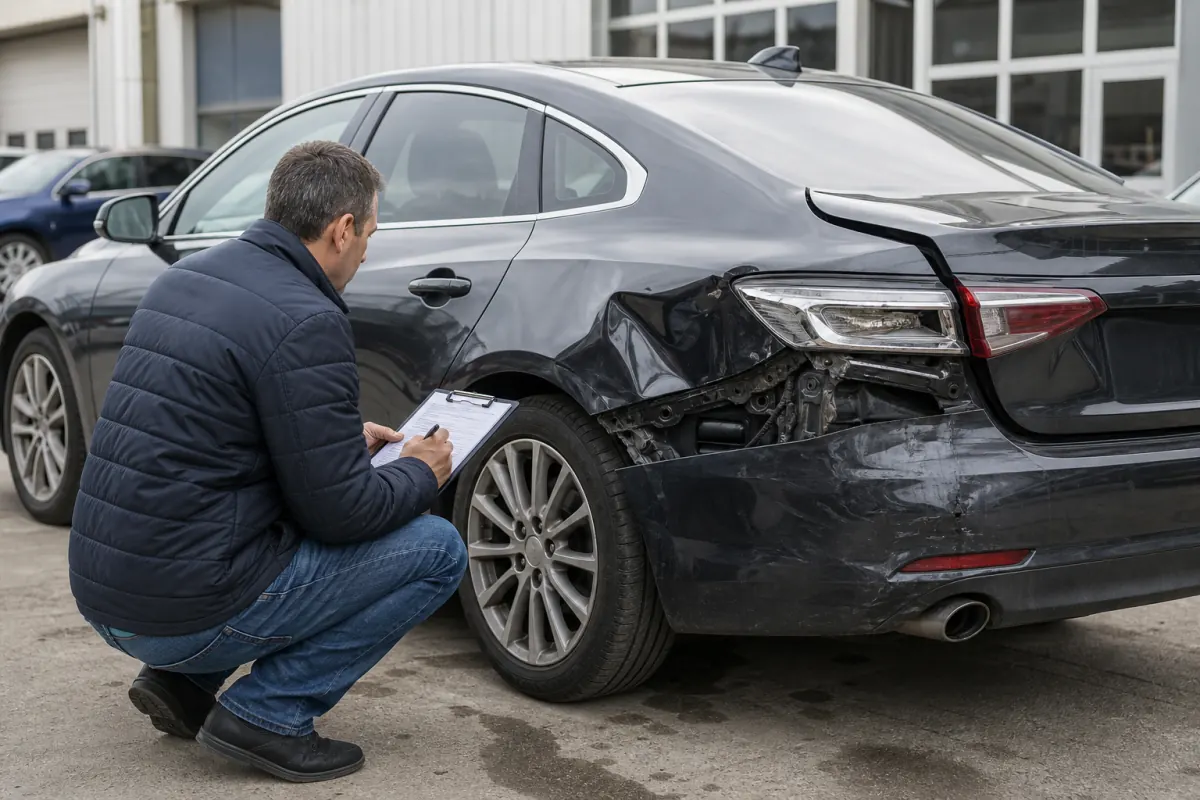
Remove personal property, but do not authorize dismantling until the claim is settled. Storage charges can add up at a tow yard, so ask the insurer who is responsible for moving the car and when. Keep receipts for towing and storage. If the vehicle is unsafe to drive, arrange transport instead of risking another collision or a traffic citation.
Repair it or sell it as-is?
The right answer is based on the likely increase in sale price, not just the repair estimate. A $3,000 repair does not make sense if it raises the car's selling price by only $1,500. Start with three numbers:
- the car's realistic value before the accident;
- the cost of necessary repairs, including hidden damage and diagnostic work;
- the strongest written as-is offer you can get.
Minor cosmetic work can sometimes pay off, especially on a newer vehicle with a clean title. Structural damage, deployed airbags, cooling-system damage, or electrical trouble is different. Repair bills can grow after a shop starts taking the car apart. Ask whether the estimate uses original, aftermarket, or recycled parts and whether it includes alignment, calibration, paint blending, taxes, and shop fees.
Even a properly repaired vehicle may sell for less because its accident history can appear on vehicle-history reports. That loss is often called diminished value. Do not assume the repair invoice will restore the car to its pre-accident market price. Compare similar vehicles with reported accident histories when you set your asking price.
If you are weighing a broad sale strategy, our guide to the best way to sell a car compares private sales, trade-ins, and cash buyers. If the damage is extensive, the guide to getting a fair offer for a wrecked car goes deeper into as-is valuation.
Compare the repair bill with an as-is offer
A free cash offer gives you a real number to compare before you approve expensive repairs.
Where to sell an accident-damaged car
Private buyer
A private sale can bring a higher price when the car still runs and the damage is limited. It also takes more work. You will answer questions, arrange inspections, screen payment, and manage the title transfer. Give the buyer the repair estimate, accident details, and known problems in writing. Let the buyer arrange an independent inspection.
Private-party sales are often "as is," but that phrase does not excuse false statements or concealment. The Federal Trade Commission says its federal Used Car Rule generally does not cover private sellers, while state warranty and disclosure rules still differ. Put the vehicle's condition, title brand, known damage, sale price, VIN, odometer reading, and any promises in a signed bill of sale. Check your state DMV or attorney general for required forms.
Dealer trade-in
A dealer can handle paperwork and apply the trade value toward another vehicle. The offer may be lower because the dealer must account for repairs, auction fees, and resale risk. Get the trade appraisal before discussing monthly payments on the replacement car. That makes it easier to see the actual price being offered for your damaged vehicle.
As-is cash buyer or salvage buyer
This is usually the simplest route for a car with major body damage, mechanical trouble, or an uncertain repair bill. Ask whether towing is included and whether the quoted amount can change at pickup. Give accurate details about the VIN, mileage, title status, missing parts, deployed airbags, and whether the car rolls, steers, and brakes.
Compare offers on the same day when possible because scrap values and auction demand move. A legitimate buyer should explain the paperwork, provide a clear price, and not pressure you to sign a blank title. Avoid anyone who asks you to report a lower sale price, leave buyer information blank, or accept a payment method you cannot verify.
What documents should you gather?
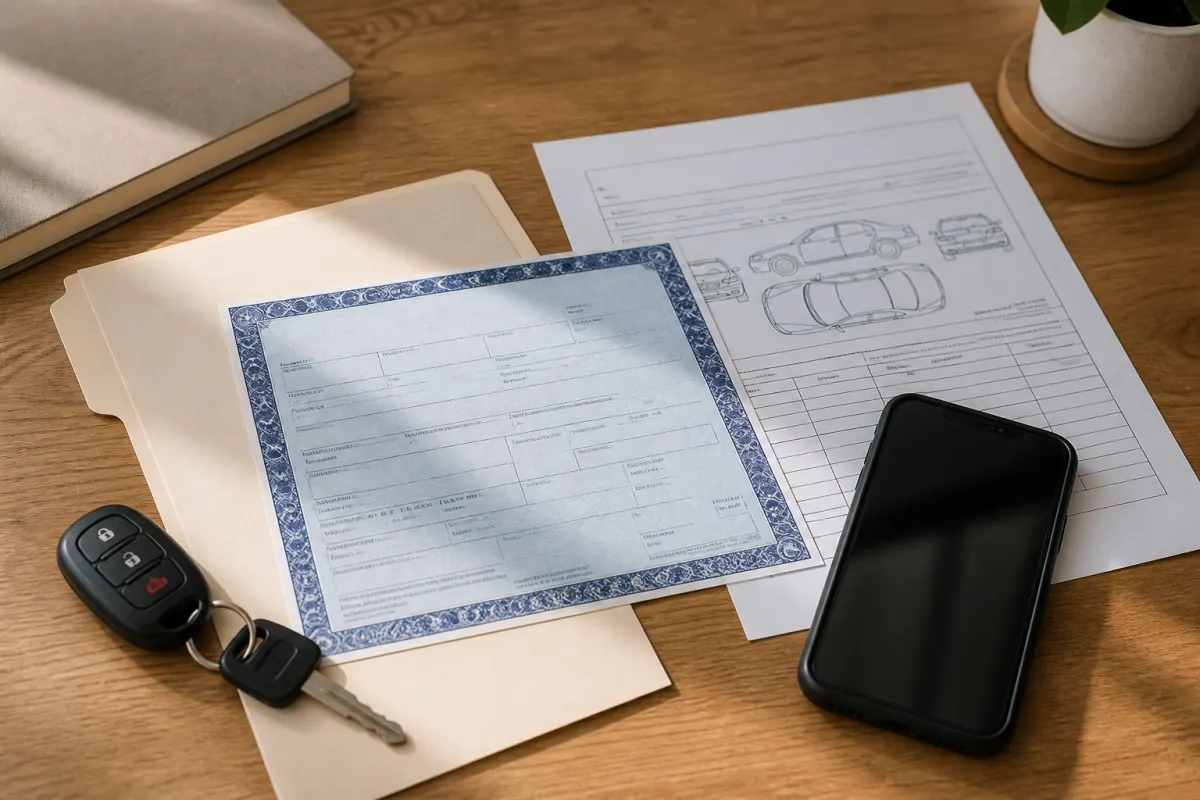
Prepare the title, current registration, photo identification, lien payoff information, repair estimates, insurance correspondence, maintenance records, and all keys. Keep copies of accident photos and invoices for work already completed. A clean folder saves time and makes your description easier for a buyer to verify.
If there is a loan, request a current payoff quote and ask the lender how it handles a third-party sale. When the sale price is below the payoff amount, you generally must cover the difference before the lender releases its lien. Do not promise immediate title delivery until you understand the lender's process.
At handoff, record the buyer's legal name and address, sale date and time, odometer reading, price, and vehicle condition. Complete the title exactly as instructed. File any release-of-liability or notice-of-sale form your state requires, remove the plates if state rules say they stay with the seller, and notify your insurer after ownership changes.
How to describe the damage honestly
Stick to facts you know. Say which panels were hit, whether airbags deployed, whether the vehicle starts, and what the shop found. If you do not know whether the frame is damaged, say that it has not been measured. Do not write "only cosmetic" unless a qualified inspection supports that statement.
Provide the VIN before the sale so the buyer can order a history report. The FTC recommends vehicle-history reports as one tool for checking title information, insurance loss data, and accident records. A report is not a substitute for a mechanical and structural inspection, but hiding an event that will likely appear later is a bad way to complete a sale.
A practical decision checklist
- Make sure everyone is safe and the damaged car is stored legally.
- Open the insurance claim and allow required inspections.
- Confirm whether the car is repairable, salvage, or non-repairable.
- Check the title for a lien and request a payoff quote if needed.
- Compare the repair cost with written as-is offers.
- Disclose known damage and title brands in writing.
- Complete the title, bill of sale, and state notice-of-sale forms.
- Verify payment before releasing the car and keys.
You do not need to guess whether repairing the car is worth it. Get the insurer's position, one detailed repair estimate, and a few actual offers. Those numbers usually make the choice much clearer.
Ready to compare your options?
Request a free cash offer for your accident-damaged car with no obligation to accept.
Disclaimer: This article provides general educational information and is not legal, insurance, tax, or financial advice. Vehicle title, disclosure, salvage, inspection, and transfer rules vary by state and situation. Confirm current requirements with your insurer, lender, state DMV, and a qualified professional before selling.